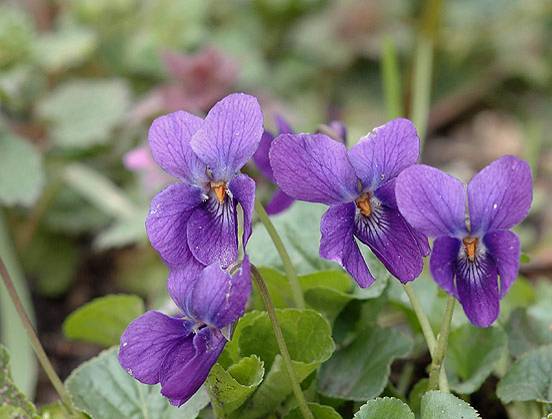
Botanical Name: Viola odorata Linn.
Family: Violaceae.
Introduction:
This plant not described in classical Ayurveda text books, but some people in the North India using this as Ayurveda medicinal plant.
Violaceae (plants of the violet. Viola tribe).
Latin name: Viola = a Latin name; odorata = fragrant.
English name: Wild or sweet violet.
Sanskrit name: VANAPSIKA
Unani: Banafashaa, Banafsaj, Kakosh, Fareer.
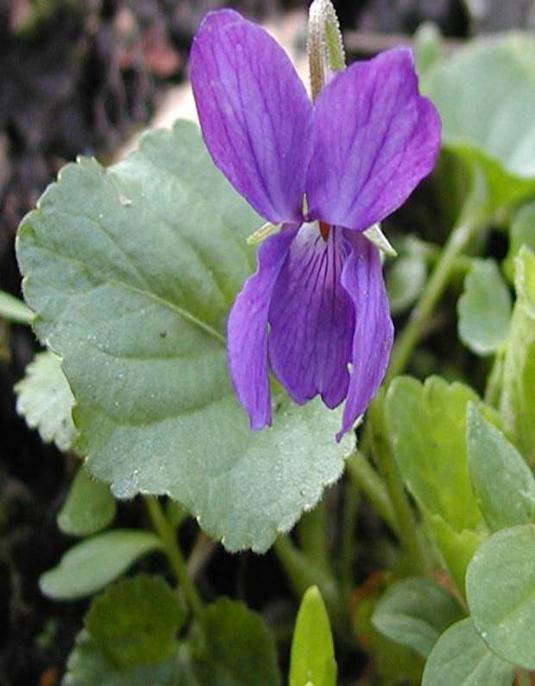
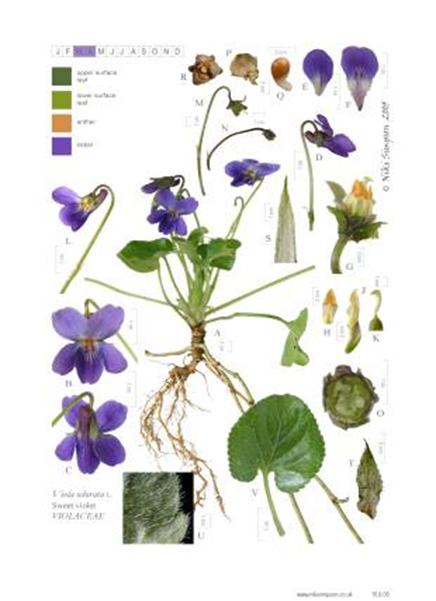
Botanical Description: The plant is hardly 8 to 9 cms. tall.
Leaves – round, heart shaped, and with hairy undersurface.
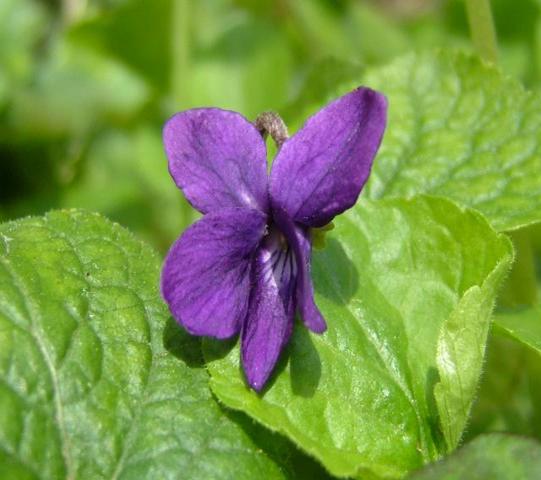
Flowers – blue, violet, fragrant and present in bunches. Flowers are known as gulbanafsha. Root – green in colour and commonly known as banafsha.
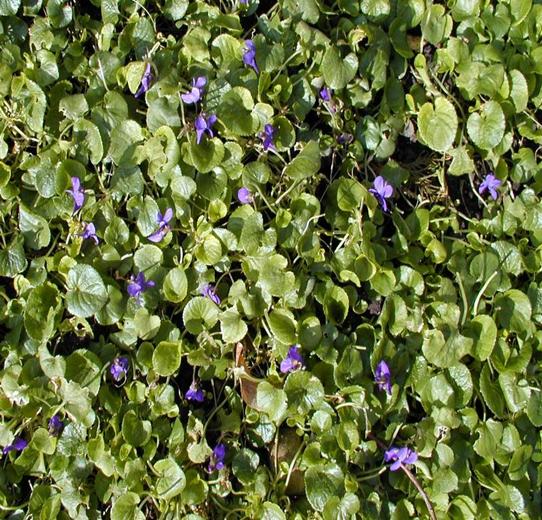
Habitat: From Kashmir to Western parts of Himalayas at a height of 2000 meters. Native to Europe;
Properties:
Guna: laghu,mksha:
Rasa: madhur, tikta;
Vipaka: madhur;
Virya: sheeta;
Dosha: vatapittashàmak.
Uses: Decoction of banafsha, yashtimadhu and gojivha is useful in cold, cough and bronchitis.
Inhalation with its steam relieves throat pain
.
Srotogamitva:
Dosha: Reduces pitta (shodhan) kapha (vamak).
Dhatu: Rakta (astringent).
Mala: Panchang (diaphoretic):