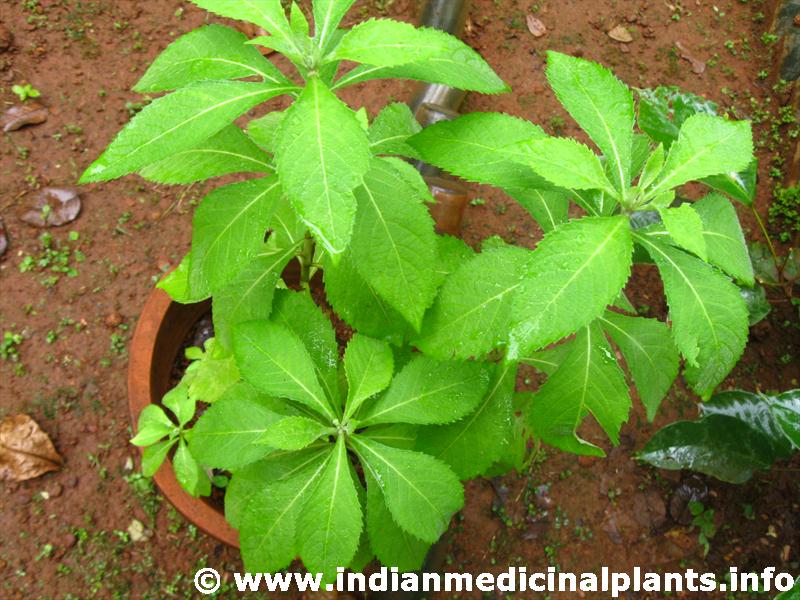
Botanical Name: Vernonia anthelmintica Willd.
Family: Asteraceae
Introduction:
Seed very much useful in intestinal worm infections.
Names in different Indian languages
| English | Purple Flea-bane, Achenes |
|---|---|
| Hindi | Baksi, kalijira |
| Kannada | kadujirage |
| Malayalam | Krmisatru, kattujirakam |
| Sanskrit | Aranya-Jiraka |
| Tamil | Kaattu seerakam, cittilai |
| Telugu | Adavijilakarra |
| Unani | Kamoon barri. |
| Folk |
Synonyms
Vanajiraka, Kaalijiri, Karjiri. Somaraaji
Centratherum anthelminticum Kuntze.
Classification according to Charaka, Susrutha & Vagbhata
| Charaka | |
|---|---|
| Susrutha | |
| Vagbhata |
Varieties & adulterants – (CV – controversy, AD – adulterants)
Morphology
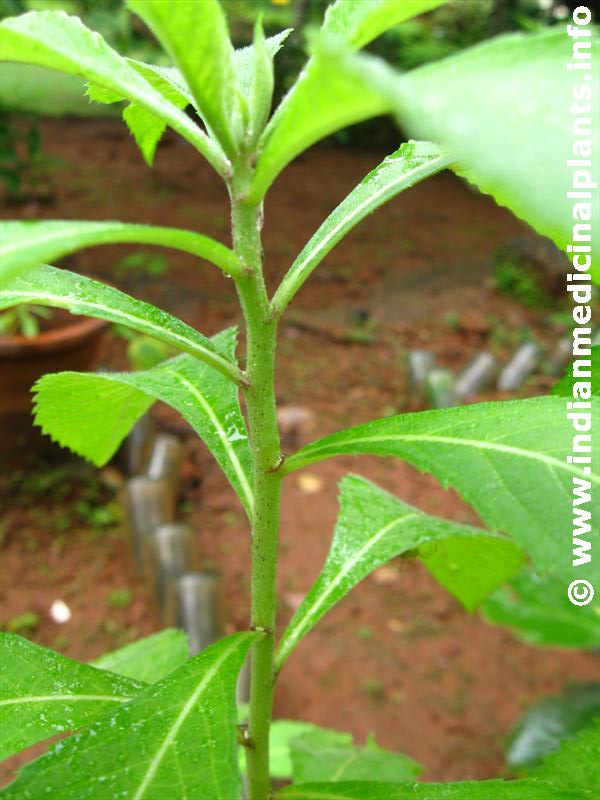
Annual herb, grows 40-60 cm height
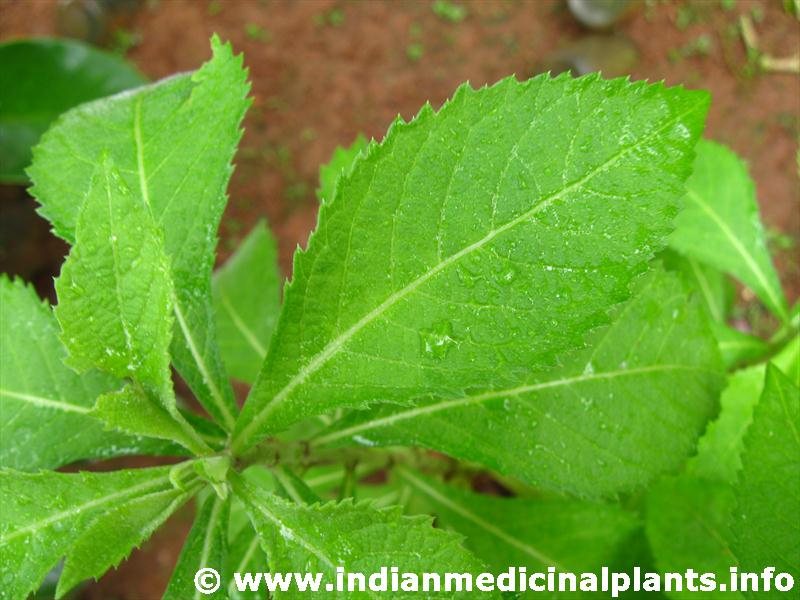
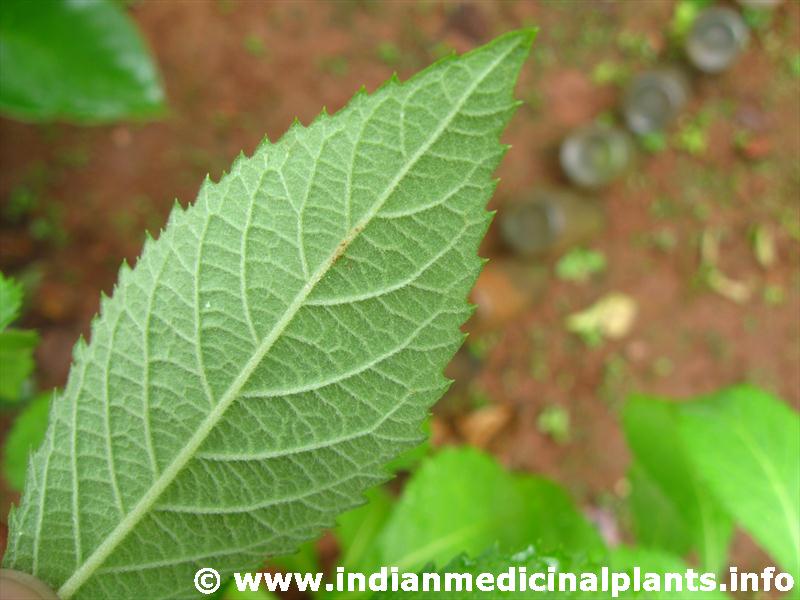
Leaves- simple, alternate, hairy , serrate, lanceolate
Flower-purple,
Fruit – achenes
Distribution & Habitat
All over India, waste lands
Chemical constituents:
Delta-7-avenasterol, Centratherin and germacranolide
Properties:
RASA-kashya, tikta
GUNA-laghu
VIRYA-ushna ( according to dhanathari nigandu – sita)
VIPAKA-katu
Karma –mutralam, deepana,netryam, stamba
Anthelmintic, stomachic, diuretic, anti inflammatory, anodyne, purgative,
Srotogamitva:
Dosha : vata hara
Dhatu :raktha, rasa
Mala :mutrala
Organ : intestine
Indication:
Kushta, kandu, sopha, gulma, krimi, swasa, kasa, vrana
Skin disease, asthma, cough, leprosy, leucoderma, colic, fever, worms
Part used:
Fruits
Dosage:
Leaf juice 10-15 ml
Powder 2-4 g
Decoction 50-100 ml
Therapeutic Uses:
- Fruit paste in resin of papaya along with honey useful in intestinal worms.
Descriptions on Ayurveda books / Nighandu:
1.
2
3
4