Botanical Name: Valeriana wallichii DC.
Family: Valerianaceae
Introduction:
Latin name : Valerian = (ward, spike) Lat. to be strong (Valerius, who drove away the Roman kings, first used it.); wallichi = after Dr. Wallich
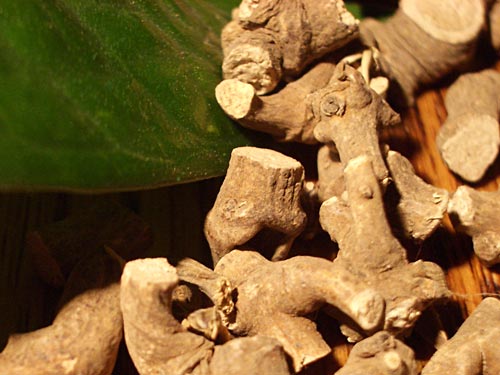
Names in different Indian languages
| English | Indian Valerian |
|---|---|
| Hindi | Tagar |
| Kannada | Tagara |
| Malayalam | Takaram |
| Sanskrit | Tagarah, natah |
| Tamil | Tagaram |
| Telugu | Tagara |
| Unani | Asaarun, TagarReshewaalaa |
| Folk |
Synonyms
Tagara, Sugandhabaalaa, Kaalaanusaari, Kaalaanusaarikaa, Kutila, Nata, Vakra,
Valeriana jatamansi Jones.
Nardostachys jatamansi (Jones) DC.
Valeriana wallichi
Classification according to Charaka, Susrutha & Vagbhata
| Charaka | |
|---|---|
| Susrutha | |
| Vagbhata |
Varieties & adulterants – (CV – controversy, AD – adulterants)
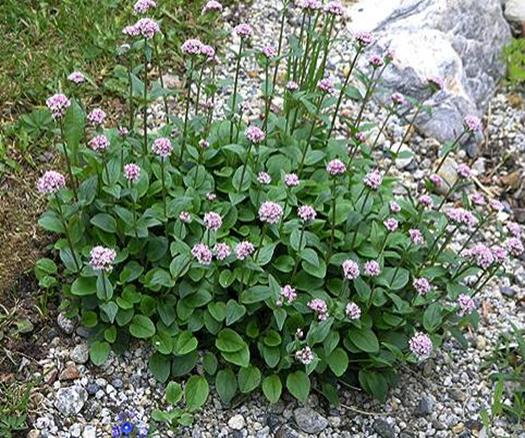
Valeriana rotundifolia
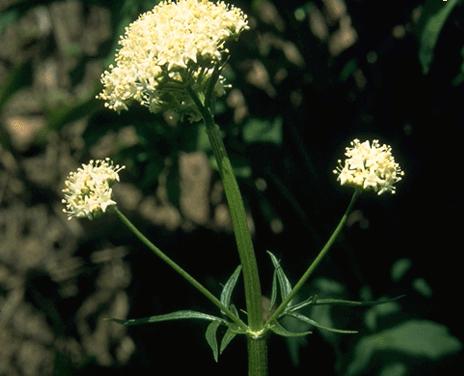
Delphinum brunonianum Royle – adulterant
In Nighantu, two varieties are described – 1) Tagar and 2) Pindatagar. The latter variety is less fragrant and slightly round.
Morphology
Perennial herb, grows upto 20-30 cm height.
Trunk – small,
Leaves – broad–cordate, with tender hair, stalk – 5 to 7 cm. long with hair. Flowers – unisexual, white or pink, corymbose, flowering occurs in July.
Fruiting – in September, October.
Fruits also have hair on them.
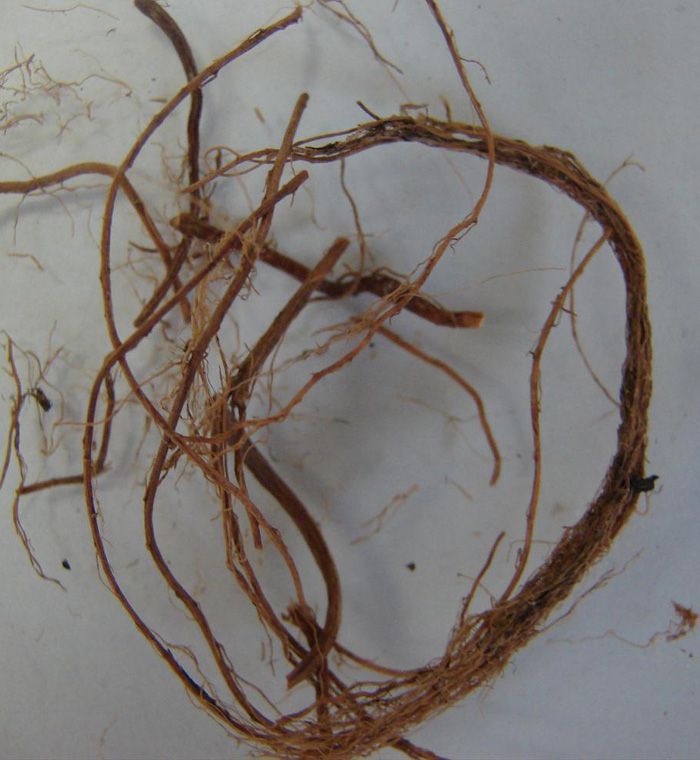
Root – thick. long, fragile, bent and have a strong odour.
Habitat & distribution
Temperate Himalayas
Chemical constituents:
calarene, betabargamotene, valeranone, ar-curcumene, maalioxide , maalitol
Properties:
Guna: laghu, snigdha, sara;
Rasa : tikta, katu;(madhura – Kai. Ni)
Virya : ushna ( sheeta– Gu.Pa)
Vipaka: katu
Karma –
Visha-vegaghna, drishtidosha vinasanam
Sedative, diuretic
Overdose causes fainting, hiccups and vomiting
Srotogamitva:
Dosha : kaphavataharam
Dhatu :rakta
Mala :mutrala
Organ : liver
Indication:
Bhutha, apasmara, kushta, netra roga
Hysteria, fever, skin disease
Part used:
Root
Dosage:
Powder 2-4 g
Decoction 10-20 ml
uses:
External Uses : It is used for local application in wound healing, fractures and rheumatoid arthritis. Decoction helps in wound healing and also as an analgesic.
Internal uses : It is mainly useful in Bell’s palsy, hemiplegia, epilepsy, osteoarthritis, rheumatoid arthritis and gout. It reduces pain, convulsions and nourishes the central nervous system. Since it is an appetizer, digestive, antispasmodic, laxative and hepatostimulant, it is useful in. loss of appetite, colic, flatulence, hepatomegaly , jaundice, ascites, splenomegaly etc. It is cardio stimulant, but in large doses it causes hypotension. It is also useful in cough, retention of urine, impotency and dysmenorrhoea.
Also useful in debility, poisoning, skin disorders, blood disorders and chronic fever.