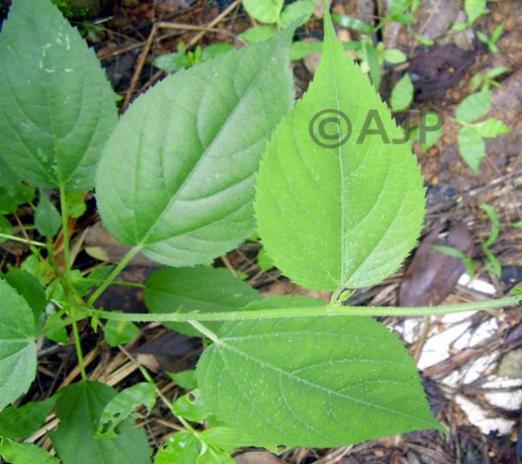
Botanical Name: Tragia involucrata Linn.
Family: Euphorbiaceae
Introduction:
In south India Tragia involucrate is using as duralaba, but in north india Alhagi camelorum is using, both of them have similar properties.
Names in different Indian languages
| English | Indian Stinging-Nettle |
|---|---|
| Hindi | Barhanta |
| Kannada | Turaci, dulondi, haligilu |
| Malayalam | Kotuttuvva, choriyanam, kodituva |
| Sanskrit | Duraalabhaa (kerala), dusparsa |
| Tamil | Kancori,kandudi,Chenthatti, Sirrukanchori |
| Telugu | Duradagantatiga, cinugantatiga |
| Unani | |
| Folk |
Synonyms
Vrishchhikaali, Vrishchhika-patrikaa, Kunasakah; Duhsparash, Dhanvayasa, Yãsa, Anantã
Classification according to Charaka, Susrutha & Vagbhata
| Charaka | |
|---|---|
| Susrutha | |
| Vagbhata |
Varieties & adulterants – (CV – controversy, AD – adulterants)
1.Yãvsa – A. camelorum
2. Dhanvayãsa
3. Durãlabhã – Fagonia arabica Linn
4. A. pseudaihagi (Bieb.) Desv.
5. A. maurorum Sensu
Morphology
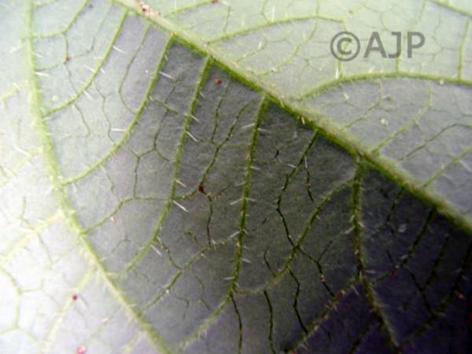
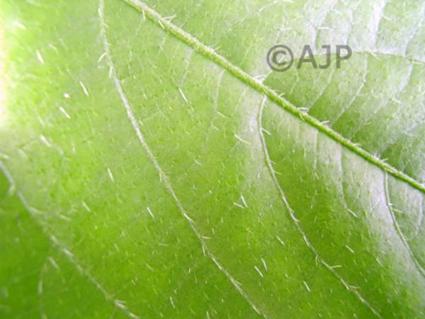
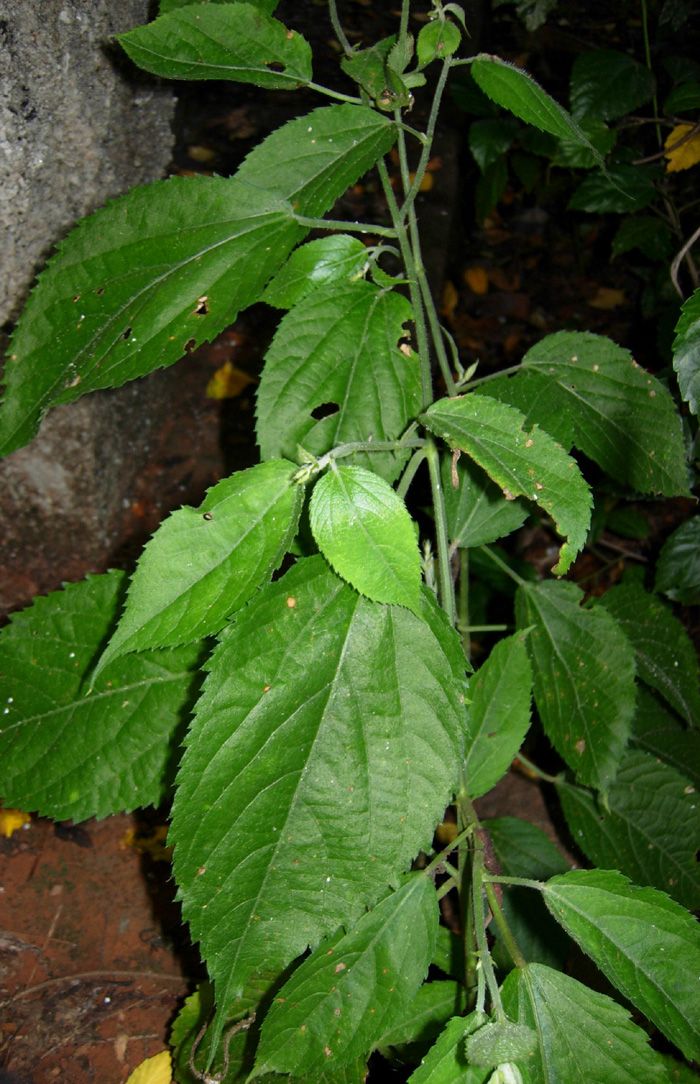
Creeping perennial herb, with hairs, which cause itching
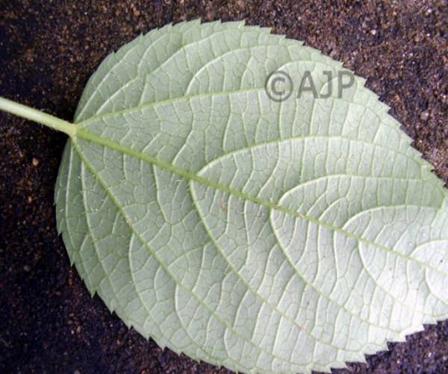
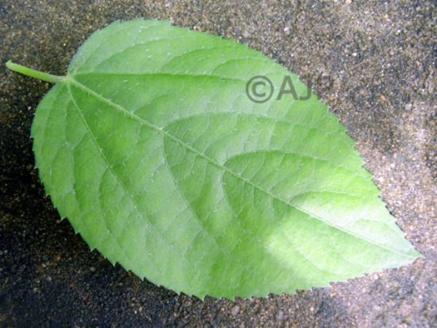
Leaves – simple, alternate, ovate-lanceolate, hairy , serrate
Flower- racemes, male and female flowers separated
Fruit – capsule, 3 lobed
Distribution & Habitat
All over India, grows as weed.
Chemical constituents:
flavonoids, tannins, sterols, triterpenes, saponins ,anthroquinones,
Properties:
Rasa – Madhura, Tikta, Kasãya
Guna –Laghu
Virya –Sita
Vipäka –Katu
Karma – Kapha hara, Jvarahara, Balya, arsoghna
Laxative, antibilious, diuretic, diaphoretic, expectorant, antiemetic, blood purifier
Srotogamitva
Dosha Alleviates kapha, pitta (sweet and bitter – favorite food for pittaprakruti person).
Dhatu : Medaghna, raktagami.
Rasa : Fever, majja.
Mala : Purisha (laxative).
Organs : Respiratory, digestive systems.
Indications— Jvara, Kãsa, Raktapitta, Trsnã, Medo roga,
Kustha, Visarpa, Vãtarakta, arsas,Chardi, Bhrama.
fever, headache,rheumatism, piles
Part Used— Whole plant, Yava Sarkarã
Dosage— Fresh juice 10-20 ml; decoction 40-80 ml; Yavasarkara 3-6 g.
Distribution & Habitat
Western – north India (Marwad), Egypt, Syria. Messopotemia, Iraq. Persia, Arabia, Afghanistan etc. grow in sandy regions.
External uses It alleviates swelling and pain. It has haemostatic action hence it is used in piles specially bleeding piles. Piles are cleaned with the decoction and the paste of whole plant is applied over it. Leaf juice is used as nasal drops in headache. Oil used for massage in rheumatoid arthritis
Internal uses
Nervous system : It has a tranquillizing effect on the brain hence it is used in symptoms like syncope, vertigo and brain weakness.
Digestive system : It is an antiemetic. antidypsetic. mild-laxative
Circulatory system : Being haemostatic and blood purifier, it is useful in haemorrhagic disorders
Respiratory system : It is used in common cold, cough, asthma as it acts as an expectorant and reduces the irritation of respiratory organs.
Mansavaha srotas : Dhamasa is applied over neck stiffness.
Urinary system : It increases urination. Decoction is used in dysuria.
Reproductive system : Being spermatogenic, it is given in semen debility,
Skin : It can be used in various skin disorders by.
Temperature : Febrifuge and refrigerant by bitter and cold properties. Bitter taste is the best for fever. It can be used for cooling effect. It alleviates symptoms like vomiting, thirst and burning sensation etc. which are caused by vata and kapha in fever.
Satmikaran : It increases the physical strength and weight by unctuous and sweet
Important Formulations
Duralaba kashaya, durshparshakadi kashaya, duralabadi arista
Therapeutic Uses—
1) Rakta pitta- Root of Yavãsa and Bhrngaraja are suspended in cow dung juice and taken with rice-water (C.S.Ci.4).
(2) Arsas- Decoction of Yastimadhu, Pancavalkala, Badari, Udumbara, Dhava, Patola, Vãsã, Arjuna, Yavãsa and Nimba is used for seka (C.S.Ci.14).
(3) Dãha- Paste made with the roots of Yavasa, Arka, Kãsa, Bãlaka and Erandã is useful for application (C.S.Su.3).