Botanical Name: Terminalia bellirica Roxb.
Family: Combretaceae
Introduction:
In Rig-Veda we come across the herb ‘Vibhitaka’. its branches (dried) are used for Yajna. Folk consider its seeds as poisonous. in the recent studies an edible oil is obtained from Vibhitaki seeds. it is one of the ingredients in Triphalã (three myrobalans).
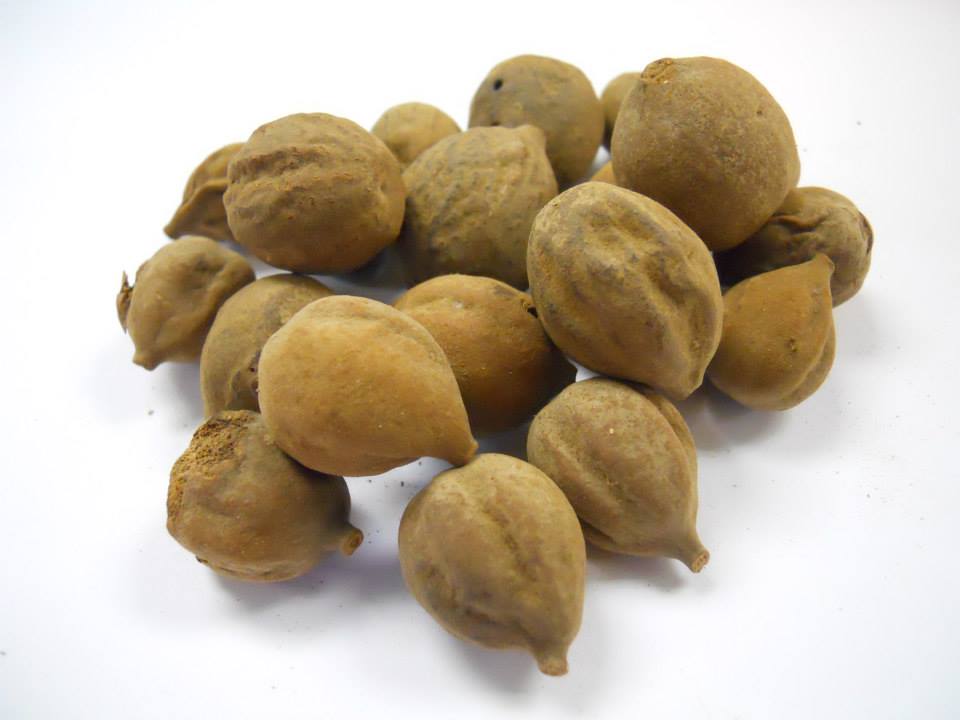
Names in different Indian languages
| Hindi | Baheda |
|---|---|
| Telugu | Tanni |
| Tamil | Tanikayá, tanni |
| English | Belleric myrobalan |
| kanada | Behara |
| Malayalam | Tannika, tanni |
| Bengali | Baida |
| Sanskrit | Vibhitakah, aksah |
| Unani | Balelaa, Baheraa |
Synonyms
Bibhitaka, Vibhitaka, Bibhitaki, Bibhita, Baibhita, Aksha,Akshaka, Kaamaghna, Kalidru Kali, Karshaphala.
Classification according to Charaka, Susrutha & Vagbhata
| Charaka | Jvara hara, Kãsa hara, Virecanopaga |
|---|---|
| Susrutha | Mustãdi, Triphalã |
| Vagbhata | Mustãdi |
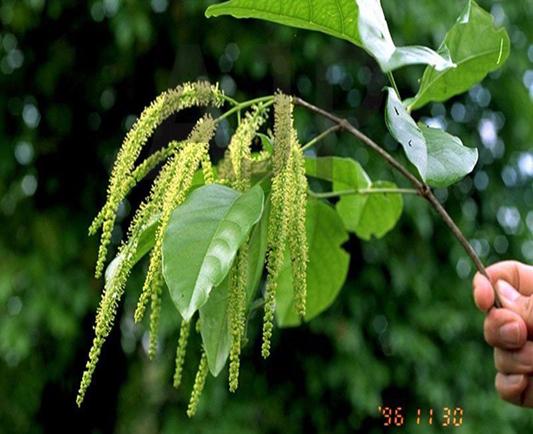
Varieties & adulterants – (CV – controversy, AD – adulterants)
Morphology
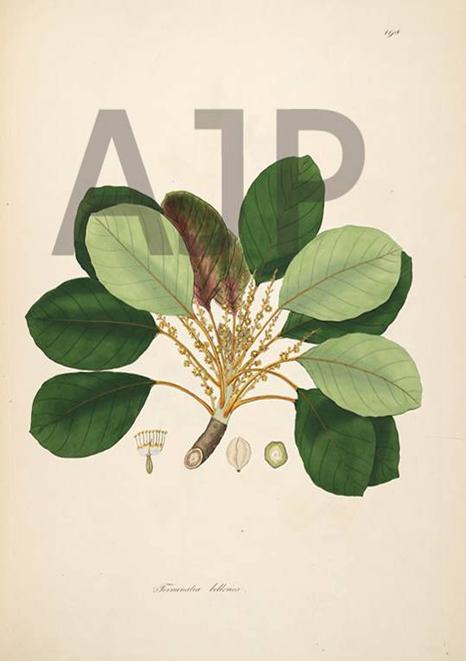
It is a large tree, 20-25 m. high, with pubescence on young branchiets.
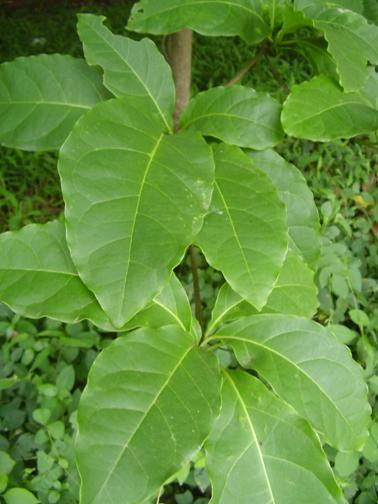
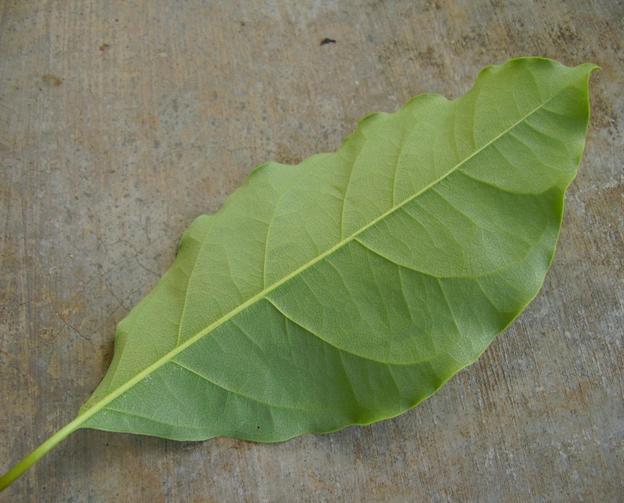
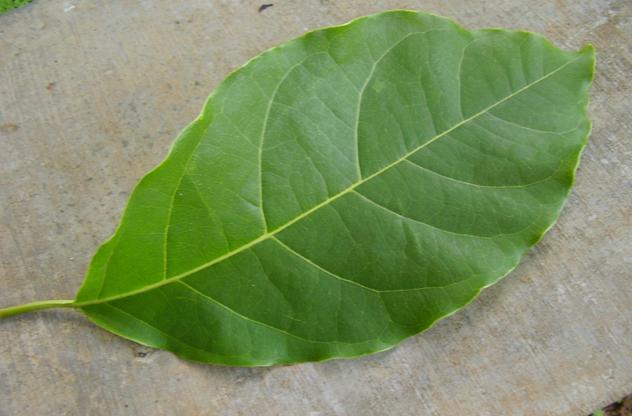
Leaves-Simple, Clustered at the end of branchlets like mango tree, coriaceous, pale beneath, broad elliptic or obovate elliptic, 8-20 cm long, base often unequal.
Flowers- in slender spikes, interrupted, 8-15 cm. long, grey, or greenish-yellow, with strong, offensive smell.
Fruits- ovoid, grey, velvety, with 5 or more less indistinct furrows; nut thick and hard. (Flowers in March-May and fruits in December-February)
Habitat & Distribution
Throughout India:
chemical constituents
Fruits- fructose, galactose, glucose, mannitol, rhamnose, sitosterol
Seed-edible oil Seed-coat-gallic acid Bark & heartwood- chebulagic acid, ellagic acid
Properties—
Rasa- Kasäya .
Guna –Rüksa, Laghu
Virya– Usna
Vipãka –Madhura
Karma Kapha-pittahara, Kesya, Caksusya, Bhedana, Madakãri (Phala Majjã)
purgative when half ripe, astringent when ripe,antipyretic
Indications—Jvara, Kãsa, Svãsa, Atisãra, Asmari, Chardi, Trisnä.
Anemia, leucoderma, astringent, digestive, anthelmintic, expectorant, constipation, ophthalmic, antipyretic, anti emetic, skin disease, ulcers, splenomegaly, cough, insomnia, eosinophilia , allergy
Part Used— Fruit rind, seed, seed kernel
Dosage— Powder 3-6 g.
External uses: analgesic, haemostatic and gives black color to the skin and hair, Oil is a hair tonic.
An application of the fruit or oil extracted form the fruit pulp is useful in painful conditions, The oil is used in skin diseases, leucorrhoea. The powder is used for local application on the eyelids in conjunctivitis.
Internal uses:
Nervous system: The pulp is intoxicant and analgesic(This may be due to the action of bibheetaka on majja dhatu.)
Digestive system: laxative and anthelmintic. Half ripe fruit is purgative and ripe fruit is astringent. It is astigmatic and reduces excessive thirst.
Circulatory system : It is used as a blood coagulant due to its astringent property.
Respiratory system : It helps in asthma and cough by reducing the inflammation of the bronchi.
Reproductive system : The pulp is an aphrodisiac.
Temperature: Febrifuge.
Satmikaran: rakta, mamsa and medoghna ,dhatuvardhak because of its madhur vipak.
Eyes: Dried bibheetaka is good for the eyes. Bibheetaka + honey is used for local application in eye diseases.
Srotogamitwa
Dosha: Tridosha hara
Dhatu : Majja (intoxication),rakta (haemostatic), shukra (aphrodisiac), as mamsagami.
Mala : Purisha (laxative), hair tonic (bibheetaka majja)
Organs: Eyes, respiratory system.
Important Yogas or Formulations
Bibheetaka taila, Triphala churna. Phalatrikadi kwatha, Lavangadivati; Aksha taila, Talisädi churna. Lavangadi churna.
Important research work going on
(1) antispasmodic and antiasthmatic activities
(2) antifertility activity
(3) hepatoprotective effect
(4) Anti viral effect
Therapeutic Uses—
(1) Svitra— Aksha taila is applied externally (A.H.Ci.20)
(2) Amari— Powder of Vibhitaki seeds is given with Surä (S. S .Ut. 58).
(3) Kãsa & svãsa— Vibhitaki powder is given with honey after meals (C.D.).