Botanical Name: Tephrosia purpurea (L.) Pers.
Family: Papilionaceae; Fabaceae
Introduction:
Sarapunkha is not found in the vedic literature as well as in Caraka Sambita. Only references are traceable from the works of Suruta and Vagbhata it used in the management of Plihödara (splenomegaly).
Names in different Indian languages
| Hindi | Saraphonkha |
|---|---|
| Telugu | Vempali chettu, bontavempali |
| Tamil | kattukolincai |
| English | Wild Indigo or Purple tephrosia |
| Marathi | Unhali |
| Gujarathi | Sarpankho |
| punjabi | Sarpankho |
| kanada | Phanike, empali, koggili, vajaranil |
| Malayalam | Kolinnil, kattamari, koluva |
| Bengali | Ban Neela |
| Sanskrit | Sarapunkhah, banah, banpunkhah |
| Unani | Sarponkhaa, Sarphukaa |
Synonyms
Pliha satru, Nilavriksãkrti, Simbiphalã, Mahousadhi, Vishikha-punkhaa, Sarphokaa
Tephrosia purpurea (L.) Pers.
Classification according to Charaka, Susrutha & Vagbhata
| Charaka | |
|---|---|
| Susrutha | |
| Vagbhata |
Varieties & adulterants – (CV – controversy, AD – adulterants)
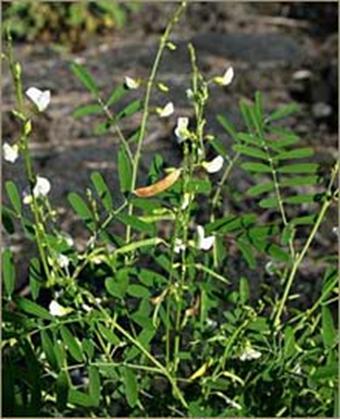
1.sveta sarapunkha – T. procumbens Buch.-Ham or T. candida Dc(white flowers)
2.kañtaki Sarapuñkhã – described. T. villosa Pers
3.Rakta Sarapunkha
Morphology
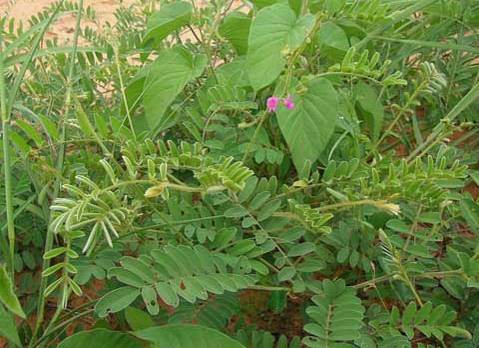
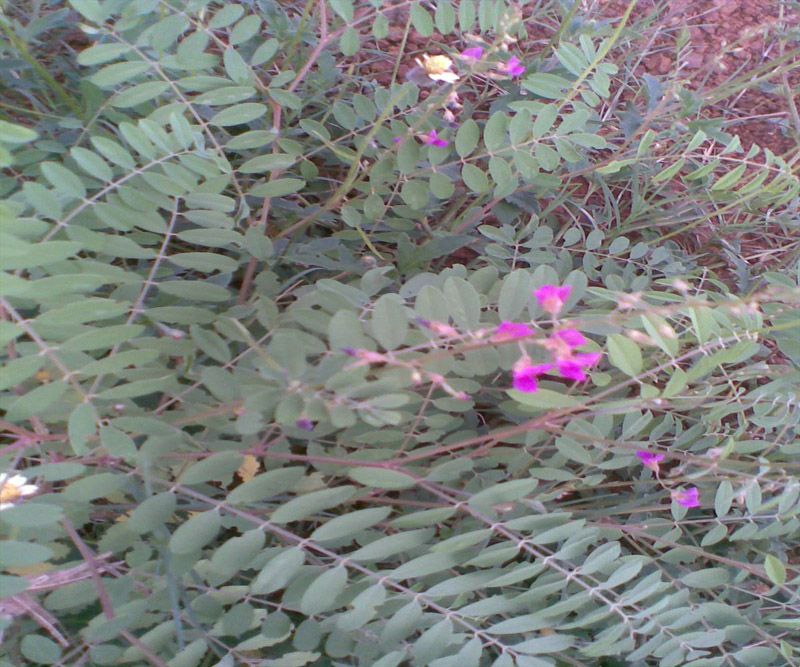
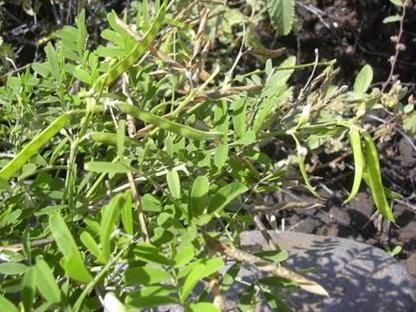
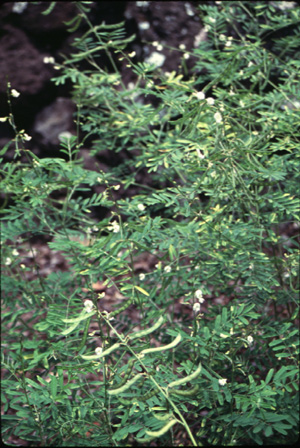
It is a sub erect, much-branched, perennial herb, 30-60 cm. height.
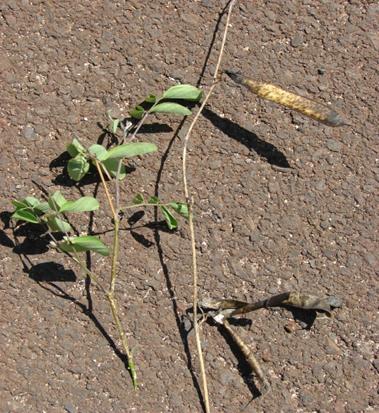
Leaves- imparipinnate, 5-15 cm. long; leaflets 11-21, glabrous above and obscurely silky beneath, narrow, oblanceolate.
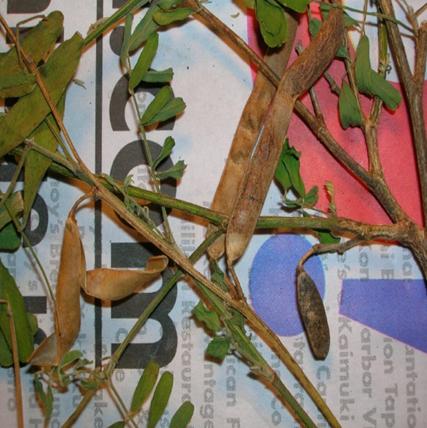
Flowers- in leaf-opposed racemes, blue or purple. Pods- linear, (Flowers during rainy season and fruits during winter).
Distribution & Habitat
All over India.( more in mountainous areas.)
chemical constituents— beta—sitosterol, (—) isolonchocarpin, lanceolatins A & B, pongamol (Lanceolatin C), karangin, kangone, flevichapparins B & C, methyl karanjic acid and purpurin etc.
Properties—
Rasa –Tikta, Kashãya
Virya – Usna
Guna– Laghu, Ruksa, Tiksna
Vipaka– Katu
Karma Kapha-vata hara, Visaghna, Vranahara, Jvarahara, Krimighna, Rasãyana
digestive, carminative, laxative, diuretic, antipyretic
Indications—Pliha röga, Yakrit roga, Gulma, Kãsa-svasa, Jvara
Fever, splenomegaly, odontalgia, gingivitis, asthma, piles, syphilis, inflammation of liver and spleen
Part Used : Root, Ksära (alkali) of whole plant
Dosage— Powder 4-6g, fresh juice 12-24 ml, Ksãra 2-3 g.
External uses Reduces inflammation, kushtaghna, antidotal, bactericidal, wound healing and haemostatic. Useful in toothache.
Internal uses :
Digestive system : deepana, anuloman, pitta samak (increases bile secretions) and krimighna. Root decoction is used in flatulence.
Circulatory system : Raktapittashamak, heamostatic (action on spleen, white sharapunkha is anti-inflammatory).
Respiratory system : Expectorant.
Urinary system : Diuretic.
Reproductive system : Uterine stimulant, shukrastambhak.
Skin : Kushthaghna.
Temperature : Antipyretic — used in chronic fever.
Satmikaran : Antitoxic, white sharapunkha is rasayan.
Dosha : Useful in kapha vataja diseases.
Srotogamitva:
Dosha Vata (gulmaghna)
Dhatu Blood (spleen, liver). Rasayan
Mala : Purisha (vermicidal).
Organ:spleen
Prabhav : Antitoxic.
Important Yogas or Formulations
Sarapunkha Ksãra, sarapunk-hamuladi khãdya
Important research work going on
(1) antispasmodic activity
(2) Hepatoprotective effect
(3) hypoglycaemic effect
(4) anaesthetic effect
Therapeutic Uses—
(1)Sukrastambhana- Root of sveta sarpunkhã is chewed as well as applied on the penis with sugar and Tusodaka