Botanical Name: Trichosanthes tricuspidata Lour.
Family: Cucurbitaceae
Introduction:
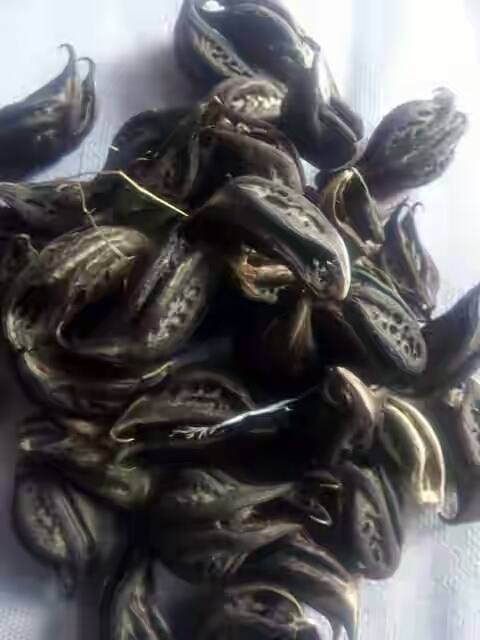
In folk its fruits using for ulcers.
Names in different Indian languages
| English | |
|---|---|
| Hindi | Indrayan, mahakal |
| Kannada | Avagudehannu |
| Malayalam | Kakkattonti |
| Sanskrit | Kakanasa, dhvamksanasa |
| Tamil | Korattai, ankorattai |
| Telugu | Avaduta |
| Unani | |
| Folk |
Synonyms
Trichosanthes palmata Roxb.
Trichosanthes bracteata (Lam.) Viogt.
Classification according to Charaka, Susrutha & Vagbhata
| Charaka | |
|---|---|
| Susrutha | |
| Vagbhata |
Varieties & adulterants – (CV – controversy, AD – adulterants)
Morphology
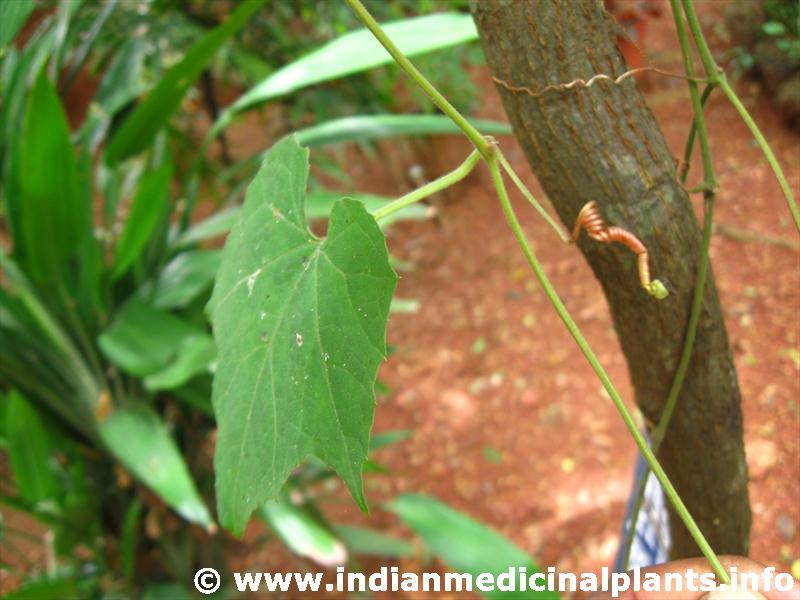
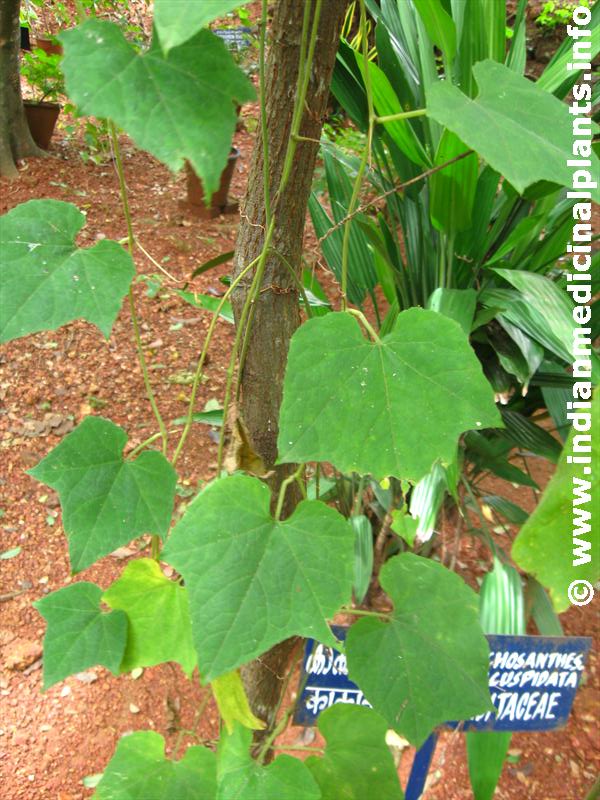
A branched woody tendril climber,
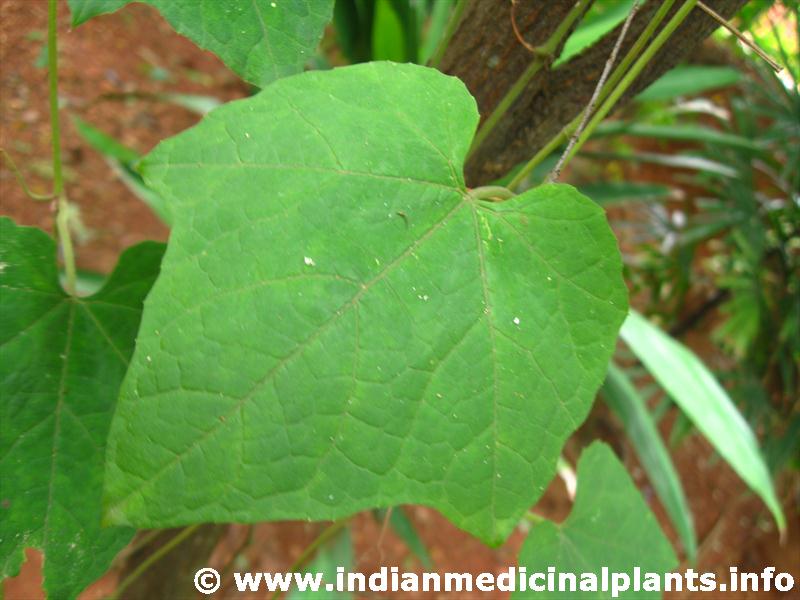
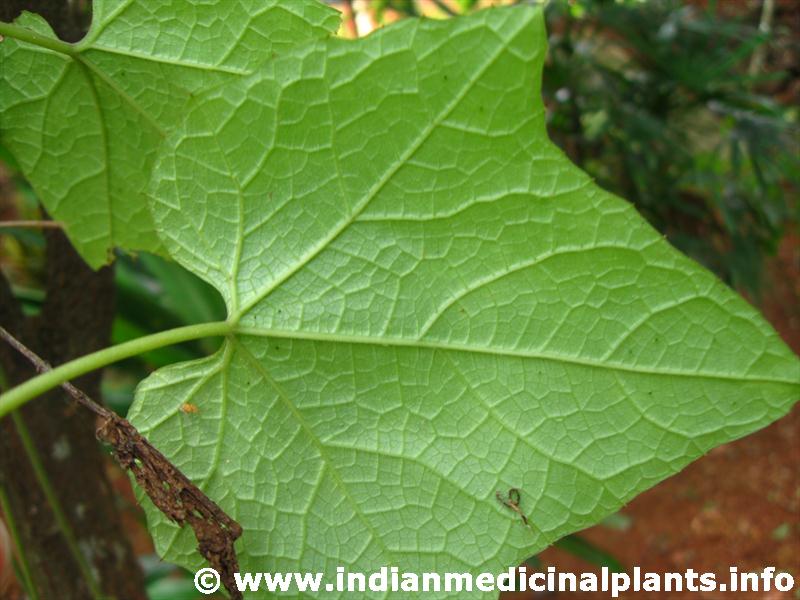
Leaves – simple, alternate, palmately 3 lobed
Flowers – unisexual ,male –axillary raceme
Female axillary
Fruit – globose, shape similar to the nose of craw when dried.
Distribution & Habitat
Wild and marshy areas in India.
Chemical constituents:
Tetrahydroxypentacyclic , triterpenoid, trichotetrol. Cyclotrichosantol, cycloeucalenol
Properties:
RASA-kashaya
GUNA-laghu
VIRYA-ushna
VIPAKA-katu
Karma –kaphaghni, vamana, sophahara,deepana,
Emetic, purgative, carminative, abortifacient
Srotogamitva:
Dosha : vathahara
Dhatu :rasa
Mala :purisha
Organ : intestine
Indication:
Sopham, vrana
Asthma, otitis, gonorrhea , skin disease
Part used:
Root, fruit
Dosage:
Powder 2-4 g
Decoction 50-100 ml
Therapeutic Uses:
- Dried fruit powder useful in skin disease
Descriptions on Ayurveda books / Nighandu:
1
2
3
4