Botanical Name: Syzygium cuminii (Linn.) Skeels.
Family: Myrtaceae
Introduction:
Jambu is mentioned in Vedià literature & rituals. Fruit/seed is mainly used in the management of diabetes & bark is used for diarrhoeal disorders.
Names in different Indian languages
| Hindi | Jamun |
|---|---|
| Telugu | Neredu |
| Tamil | naval |
| English | Jaman, black plum |
| Punjabi | Jamalu |
| kanada | Nerale |
| Malayalam | naval |
| Bengali | Kala jam |
| Sanskrit | Jambuh |
| Unani | Jaamun |
Synonyms
Kökilesta, Pikabhaksa, Phaleñdra, Jãmbava, Jambu, Mahaaphalaa,
Surabhipatra
Syzygium jambolanum (Lam.) DC.
Eugenia jambolana Lam.
Classification according to Charaka, Susrutha & Vagbhata
| Charaka | Mütrasañgrahaniya, Purisavirajaniya, Chardinigrahana |
|---|---|
| Susrutha | Nyagrodhadi |
| Vagbhata | Nyagrodhadi |
Varieties & adulterants – (CV – controversy, AD – adulterants)
1.Kãka Jambu (Jambu- Eugenia jambolana ,Syzygium cumini)
2.Jala Jambu (Ksudra Jambu , Bhümi Jambu,Nadi Jambu. – heyneana Wall./E. operculata Roxb.)
3. Rãja Jambu- Eugenia jambos L. (Syzygium jambos (L.) Alston
Morphology
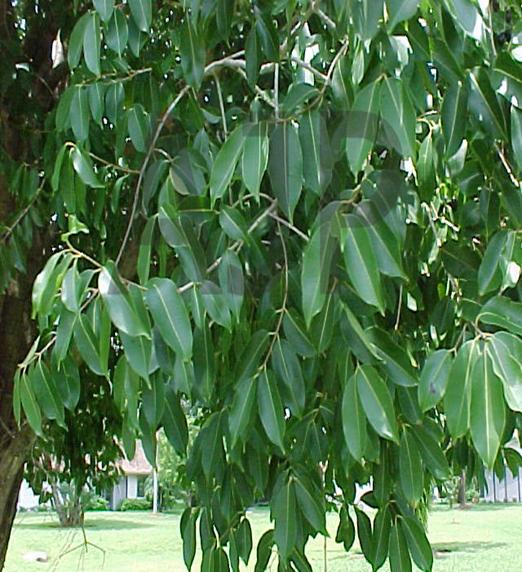
It is a moderate-sized, glabrous tree about 18-20 m. height.
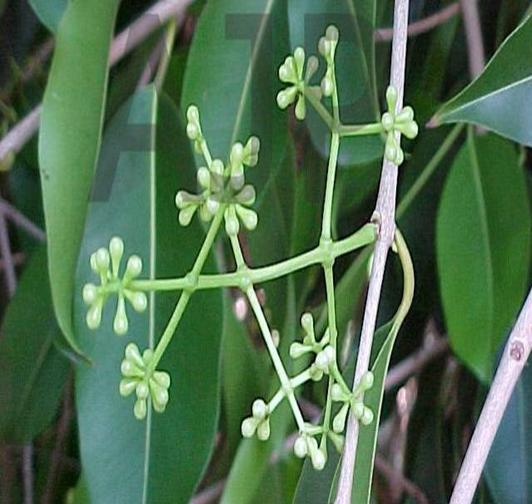
Leaves- coriaceous, shining, entire, oval, oval-oblong or lanceolate-oblong, long-acuminate, lateral nerves numerous, parallel, confluent near the margin.
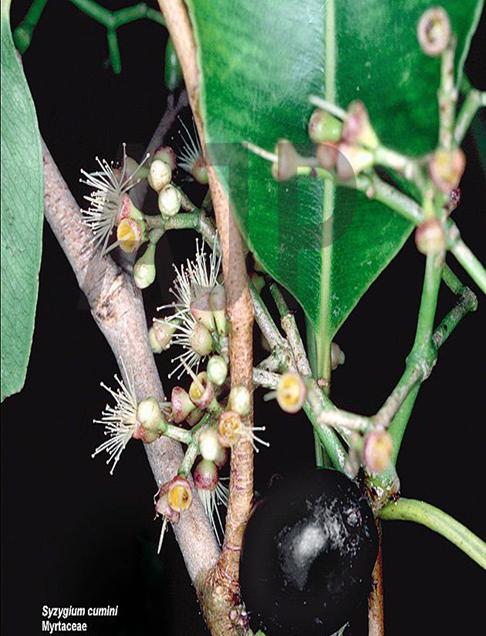
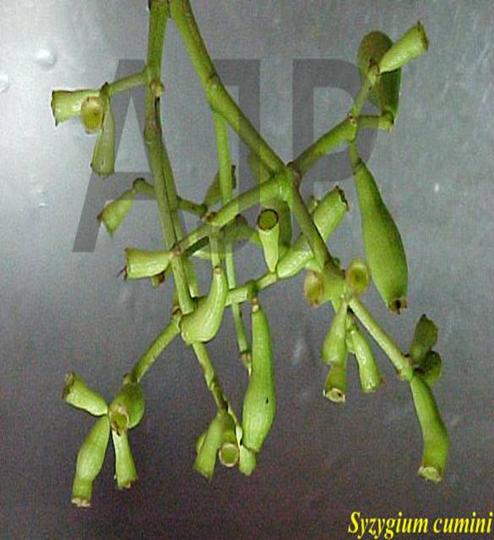
Flowers- greenish, tetramerous, in 3-flowered cymes, arranged. in broad trichotomous panicles. Calyx-tube funnel-shaped.
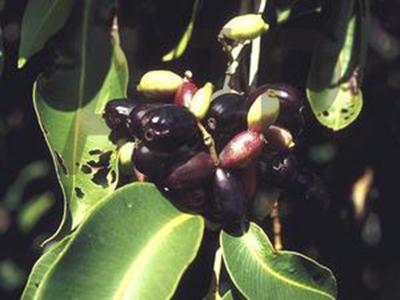
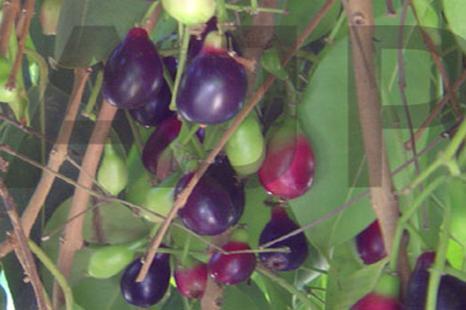
Fruit- berry, oblong or subglobose, purple or black, succulent, smooth when ripe.
Chemical composition
Seed contains a glucoside – jamboline, ellagic acid, yellow essential oil, chlorophyll, resin, gallic acid, albssñrin etc.Bark has 12% gum.
Fruits eugenia triterpenoids A & B, oleanolic acid, malic acid, glucose, fructose, gallic acid
Stem bark & root- Kaempferol , myricetin, quercetin
Leaves- citric, oxalic and glycollic acids; glucose, leucine, sitosterol, dihydromyricetin etc.
anthocyanins , citric, malic ,gallic acids, and tannins
Properties—
Rasa –Kasäya, Madhura, Amla
Guna –Laghu, Rüksa
Virya– Sita
Vipãka –Katu
Karma – Vãtavardhaka, Kapha-pitta hara, Grãhi
Astringent, digestive, anthelmintic, febrifuge, anti bacterial, stomachic, carminative, diuretic.
Indications—Madhumeha, Atisara, Chardi, Raktapitta, Dãha, Vrana
leucorrhoea, fever, skin disease, diabetes(seed), ulcer
Part Used—Fruit, leaf, stem bark
Dosage—Fresh juice 25-50 ml; powder 4-6 g.
External uses : Astringent, refrigerant and cures skin disorders. The bark powder is sprinkled in bleeding disorder: Fruit pulp mixed with sesame oil is applied in burning condition, in sannipat jwara (fever caused by all the three doshas) associated with burning. The oil boiled with the leaves is used face application.
Internal Use:
Digestive system: Its fruit is an appetizer, digestive and liver stimulant. liver function associated with diabetes is improved by seed powder. It is also an astringent. Leaves are anathematic while bark is astringent.
Excessive use fruits causes constipation. The fruits and fruit juice are effective in disorders like loss of appetite, indigestion, pain and dysentery.
Circulatory system : Haemostatic. Leaf juice is used in haemorrhagic disorders. Jambul seeds are used in menorrhagia and diarrhoea
Urinary system : The frill and seed powder along with milk helps in glucose metabolism in the liver, due to which blood and urine sugar levels become low causing hypoglycemia. Fruit and seed powder are the best medicines in ikshumeha and udakameha.
Srotogamitva
Dosha Kaphapittaghna, vatavardhak.
Dhatu : Meda and majja (diabetes mellitus),
Mala : Mutra, purisha (astringent).
Jambu is the, topmost vatavardhak medicine,
Important Yogas or Formations
Jambvasava, Jambvädi ghrta, Jambvãdi taila
Important research work going on
(1) Anti-diabetic property
(2) Anorexigenic activity
(3) Hypoglycaemic activity
(4) anti-inflammatory
(5) treatment of diarrhoea and dysentery
(6) antipyretic activities
Therapeutic Uses:
- Seed powder useful in diabetes