Botanical Name: Strychnos nux-vomica Linn.
Family: Loganiaceae; Strychnaceae
Introduction:
It is using as the poisonous drug. It is a spinal poison.
Names in different Indian languages
| Hindi | Kucchala, kajra |
|---|---|
| Telugu | Musti, mucidi |
| Tamil | Etti, kancirai, Yettikkottai. |
| English | Nux-vomica, strychnine tree, snake wood, poison nut, quaker button |
| Marathi | Kajara |
| Kanada | Kanjira, ittti,ittinji, hemmusti |
| Malayalam | kanniram |
| Sanskrit | Karaskarah , kupilu |
| Unani | Azaraaqi, Kuchlaa |
Synonyms
Kapilu, Kaakatinduka, Kaakendu, Kaakapiluka, Vishamushtikaa, Vishamushti, Vishatinduka, Kuchilaa, Ksuchalaa.
Classification according to Charaka, Susrutha & Vagbhata
| Charaka | |
|---|---|
| Susrutha | |
| Vagbhata |
Varieties & adulterants – (CV – controversy, AD – adulterants)
1. S. cinnamomifolia
2. S. wallichiana
3. S. colubrina
4. S. malaccensis
5. visamusti
6. kesamusti
7. sumusti
8. anumustika
9. ksupadodi
10. kakatiduka
Morphology
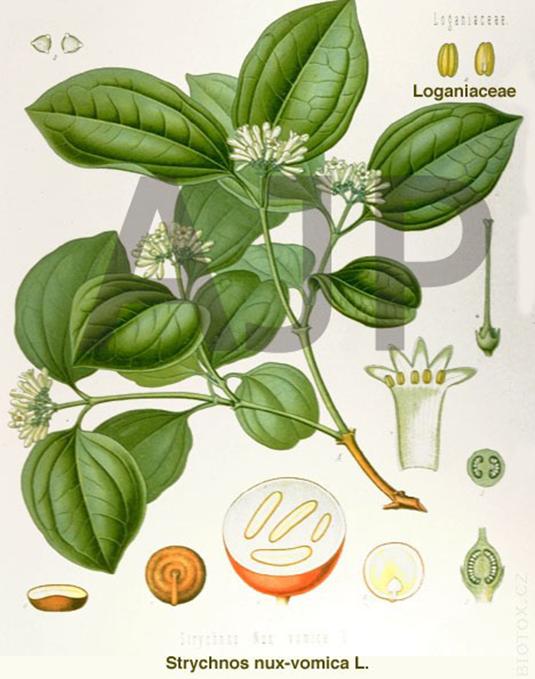
An evergreen deciduous tree, 5-18 m in height.
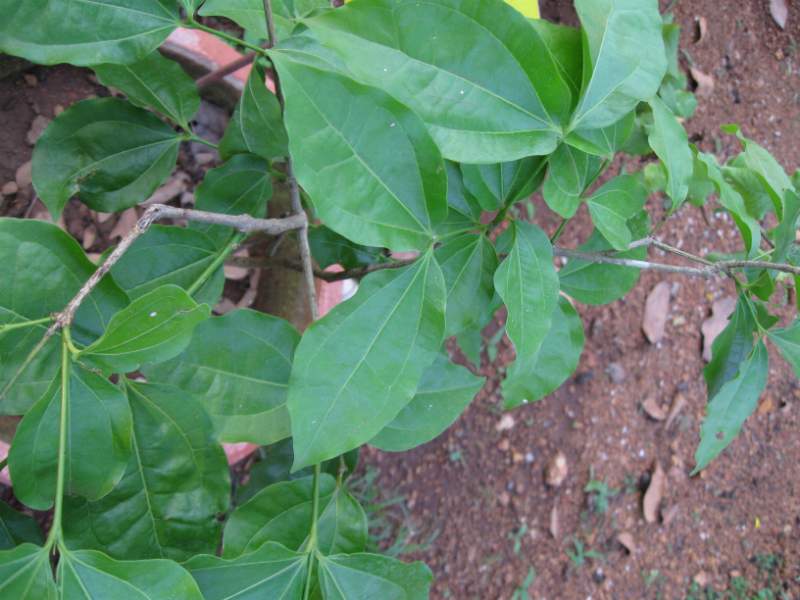
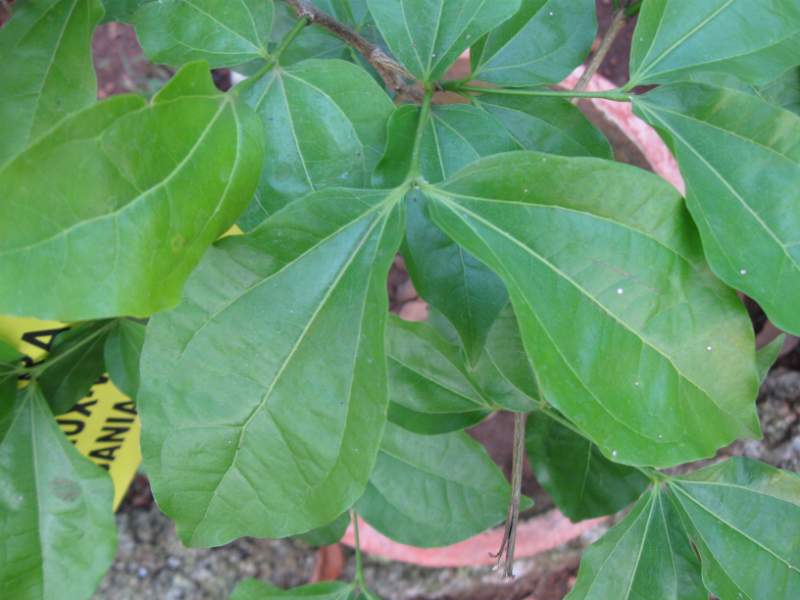
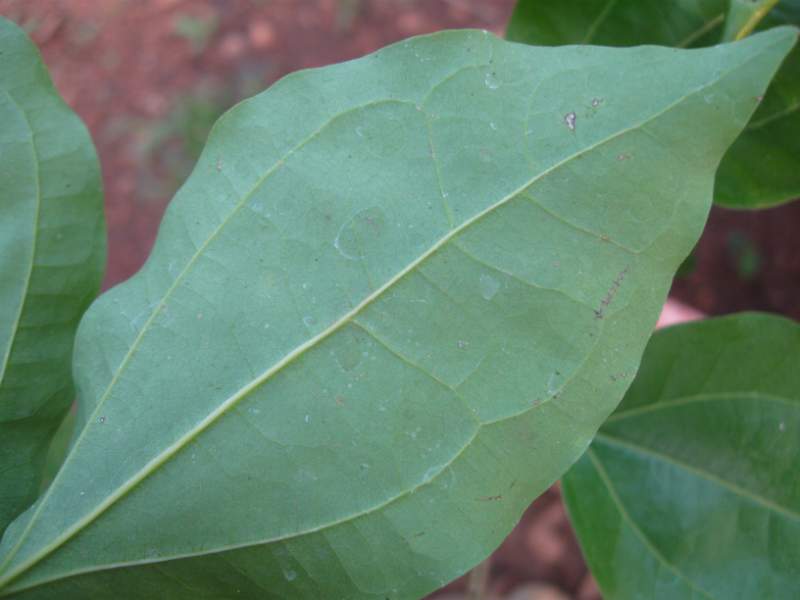
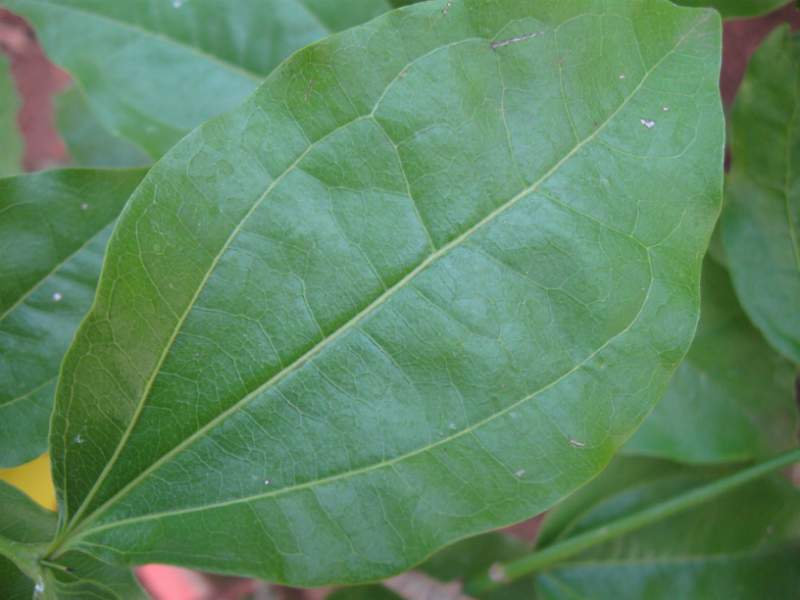
Leaves— simple, opposite, ovate, 5-nerved, glabrous, obtuse.
Flowers— numerous, greenish white, borne on terminal pubescent pendenculate, corymbose cymes.
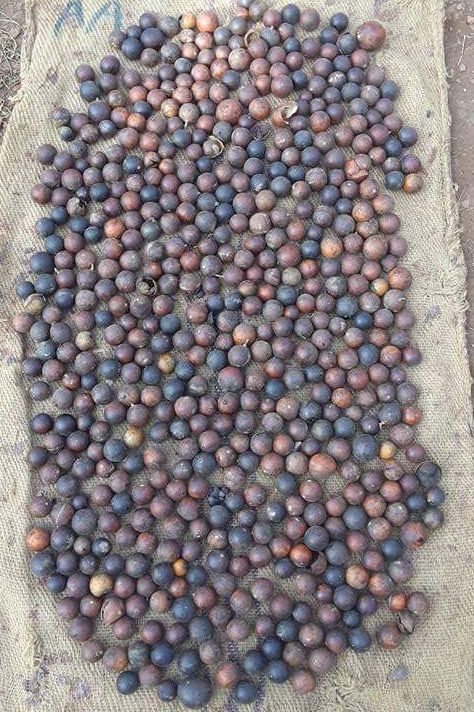
Fruits— large, about 4 cm diameter, globose berries, orange red when ripe.
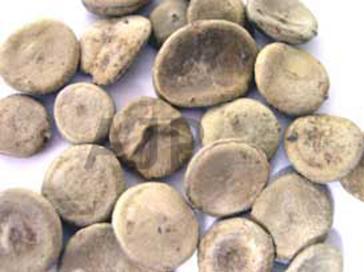
Seeds— many, about 1.5 cm diameter discoid with fine grey silky hair.
Flowers during March-April and fruits ripen during winter.
Habitat & Distribution
Throughout tropical India, Uttar Pradesh, Bihar, Orrissa and West Bengal, ascending upto an altitude of 1500 m.
chemical constituents
Strychnine, Brucine, vomicine, Kajine & novacine (N-methyl pseudobrucine); strychnine & isostrychine; Cuchiloside, loganic acid, alpha-and beta-colubrine, condylocarpine, diaboline, geissoschizine,isostrychnine, normacusine, novacine, pseudobrucine, pseudo- alpha-colubrine, pseudo-beta-colubrine, pseudostrychnine and vomicine , Loganin
Properties
Rasa Katu, Tikta
Guna Laghu
Vipaka Katu
Virya Usna
Karma Kapha-vatahara, Vataghna, Grahi
Anthelmintic, digestive, purgative, stimulant, constipation
Part Used— Seeds, root bark.
Dosage— Powder 60-250 mg.
Indications— Kandu, Kustha, Vataroga, Vrana, arsas
diabetes, insomnia, cardiopalmus, skin disease, paralysis, weakness of limbs, small amount causes muscle relaxation, insomnia, hysteria, epilepsy, paralytic and neurological affections, retention or nocturnal incontinence of urine, spermatorrhoea, sexual debility and impotence, antidote to alcoholism.
External uses Vatashamak, it alleviates pain,
oedema and is an analgesic. It is used for external application in rheumatoid arthritis, osteoarthritis. An application of Nux vomica seeds with turmeric cures oozing and foul smelling ulcers. This paste is also effective in ulcers with toxic symptoms. The pulp of the leaves useful in oozing ulcers.
Internal uses
Central nervous system : It alleviates vata and pain and because of its sharpness. it stimulates and strengthens nerves. Useful in vata disorders like neuralgia, facial palsy, hemiplegia, insomnia, Excess dose leads to intoxication and convulsions.
Digestive system : Being bitter and pungent, it is ,a good appetizer, digestive and astringent. Useful in abdominal pain by ushna and vata alleviating property. It is used in loss of appetite, gastric inflammation, amadosha, colitis, piles and parasitic infection. It is the best medicine for gastric laxity and spasm.
Circulatory system Being ushna and tikshna, it is a cardiac stimulant and hypertensive. It alleviates oedema caused by kapha. Useful in disorders like cardiac laxity.
Respiratory system : Being pungent and bitter, it is kaphagbna and alleviates cough. It is also useful in inflammations of lungs.
Urinary system: Dribbling of the urine due to a tonicity of bladder is corrected by it, It is an effective medicine for nocturia in children and adults.
Reproductive system it is an aphrodisiac. It cures premature ejaculation and impotency.
Satmikaran : It is an excellent rasayan. It cures the laxity of body tissue. It is a good medicine for the elderly complaining of loss of appetite. insomnia and laxity of body.
Skin : Nux-vomica is useful in dermatoses. pyrites and excess perspiration.
Temperature : Nux-vomica is effective in fever with shivering and periodical lever. It reduces shivering and rigours.
Antidote : As soon as toxic symptoms appear, give stomach wash and give cow’s ghee along with cow’s milk. Use antidotes like opium, belladona, camphor. ganja and tobacco.
Purification of seeds : Seeds of nux-vomica are soaked in cow’s urine for 7 days. Then outer covering is removed and the seeds are cooked with cow’s milk. Then they are fried in cow’s ghee. (This nux vomica is used in medicines). These roasted seeds have specific savour. (In hoarseness of voice caused by excessive talking, tobacco addiction induced blindness, nocturia in children, impotency caused by excess sexual intercourse and old age. dysponea and morning sickness in pregnant women. purified nux-vomica (seed) ground in a fine powder should be used along with milk and sugar. Now days modern treatment has changed widely but about 2 decades ago, modern doctors used tincture nux vomica’ in their prescription. Nux vumnica is a Latin name which means nut which causes vomiting.
Srotogamitva:
Dosha : Alleviates vata, kapha.
Dhatu : Rakta (cures dermatoses).
Main Purisha (antihaemorrhoids), mutra (antidiuretic).
Organs Stomach, rectum (piles).
Important Yogas or Formations
Agnitundi. Vishamushti, Navajeevan. Vajravati.
Toxic effects : Impure or excess dose of nux-vomica causes convulsions and causes symptoms similar to tentanus. These symptoms appear within 10 to20 minutes after its oral administration and leads to death by asphyxia.
Important formulation: Agnitundi vati, Vãtagajankusa ras, Krimirnudgara rasa, Visatinduka tada, Visatjnduka vati, Käraskara ghrta.
Important research work going on
(I) chronoscopic activity
(2) effect on CNS
Therapeutic Uses—
(1) Visuci — Kupilu, Navãsãdara and Hiñgu are to be fried on fire individually and mixed together. The powder is made into pills with water and given orally (S.B.M.)
(2) Jvara— Purified Kupilu and Marica powder (equal quantity) is made into pills by grinding with the decoction of Indrayava fruits and given orally (S.B.M.).
(3) Agnimãndya_ Kupilu, Navãsãra & Hingu are made into
pills with lemon juice and taken orally (S.B.M.).