Botanical Name: Syzygium aromaticum (Linn.)Merr. & Perry.
Family: Myrtaceae
Introduction:
Lavanga is relatively a less utilized herb during the Bhat Trayi period. we come across the utility of Lavañga in therapeutics in yoga books. It is mainly used for the correction of digestive problems. Application of clove oil for dental caries, relieve joint pains and head ache.
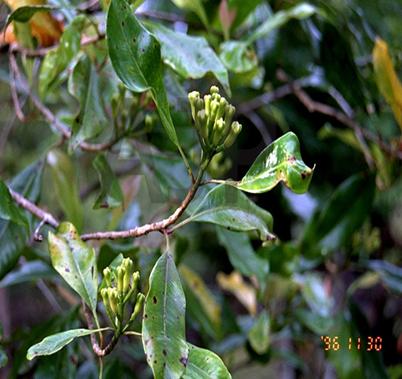
Names in different Indian languages
| Hindi | Laung |
|---|---|
| Telugu | Lavangamu, devakusumam |
| Tamil | Kirambu |
| English | Clove |
| kanada | lavanga |
| Malayalam | Grampus , karayampu |
| Sanskrit | Lavangam, devakusumam |
| Unani | Qaranful, Laung |
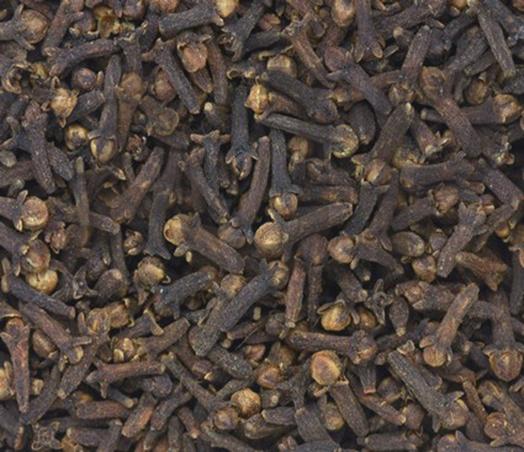
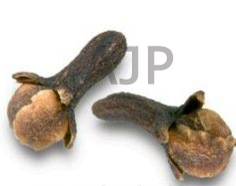
Synonyms
Lavanga, Devakusum, Devapushpa, Shrisangya, Shriprasuunaka. Grahanihara, Divyagandhã, Vãrija, sriprasünaka, srisanjnaka, sri, Candana puspa, Bhrñgangi, sekhara.
Classification according to Charaka, Susrutha & Vagbhata
| Charaka | |
|---|---|
| Susrutha | |
| Vagbhata |
Varieties & adulterants – (CV – controversy, AD – adulterants)
species of Syzygium and Cinnamomum floral buds using as adulterants.
Morphology
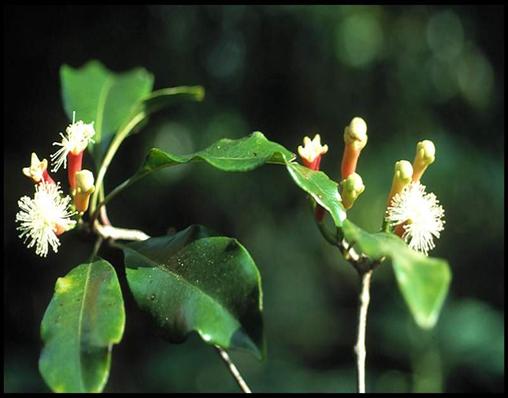
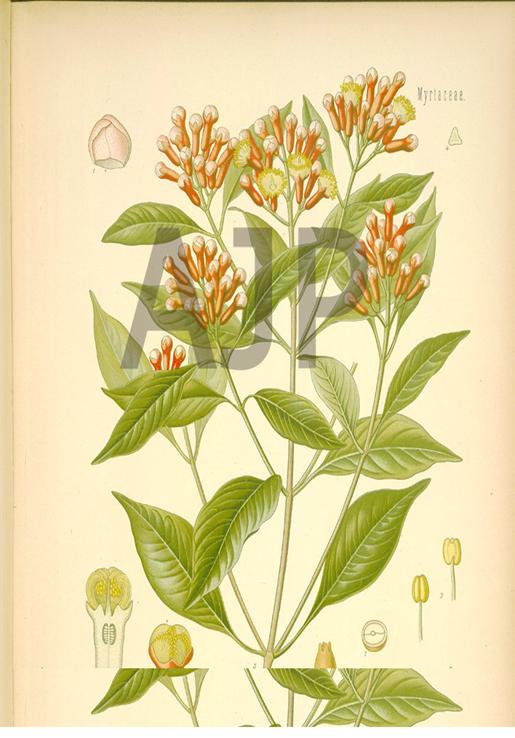
It is a pyramidal evergreen tree, 8-10m high or more.
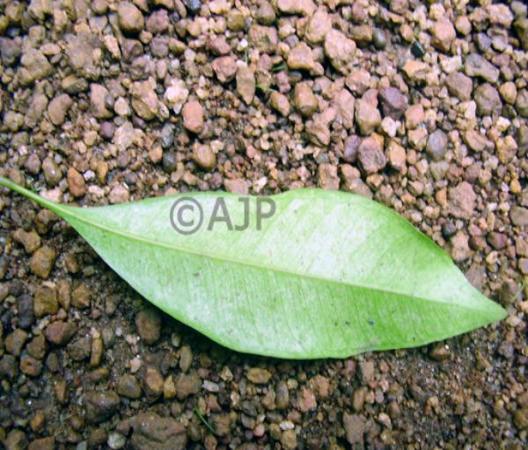
Leaves- simple, lanceolate, , gland-dotted, fragrant.
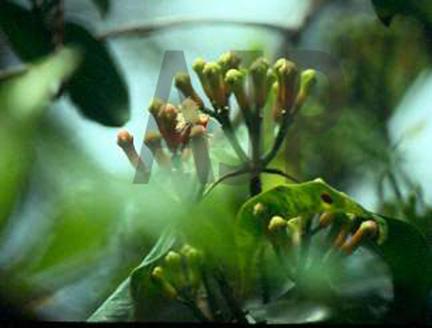
Flowers-buds— cyme, small clusters of branches, greenish; pink at maturity, aromatic.
Fruits- fleshy, dark pink drupes.
Seeds- oblong, grooved in one side.
(Flowers between January-June and fruits later).
Distribution Cultivated mainly in Tamil Nadu and Kerala.
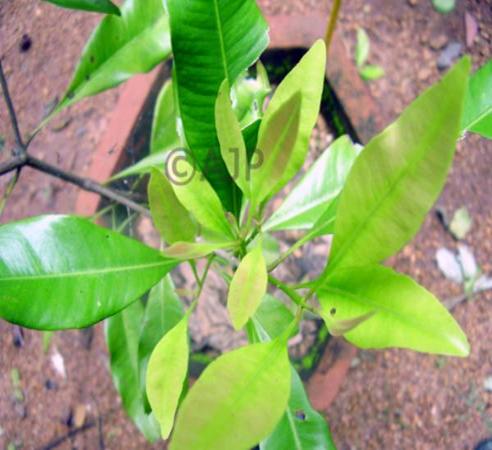
Habitat & Distribution
Originally from Malaya – Sailibius island. At present it is being cullivated in Sumatra) Malakka, Zanjibar. Penang. Mauritius, Bornia, Brazil) Guyana. West Indies and Travancore in Southern India
Chemical Composition
Gum and volatile oil 16-20%. resin 6%, euginine or cariophyllin, tanin, gum. Clove oil contains 85-92% eugenol. aryophyllene, eugenol, furfural, methyl alcohol, methylbenzoate, valeraldehyde, vanillin, eugenitine, isoeugenitol, eugenine, eugenone, naphthalene, caryophellene oxide etc.
Properties—
Rasa Tikta, Katu
Guna Laghu, Snigdha
Virya sita
Vipãka Katu
Karma Kapha-pitta hara, Rucya,Dipana-Pacana, Netryam
(Caksusyam)
Appetizer, expectorant, emollient, febrifuge, diuretic, Carminative, antiinflammatory, antibacterial
Indications—Trisnã, chardi, Adhmána, sula, kãsa, svãsa, Hikkã.
cough, asthma, diuretic, burning sensation, fever, vomiting, hyper acidity, odontalgia, helminthiasis, cephalagia, neuralgia, lumbago, nostalgia, dental caries, inflammation in oral and pharyngeal mucosa
Part Used—Floral bud, clove oil
Dosage—Powder 2-4g; oil 1-2 drops
External uses : It is stimulant, antimicrobial and tikshna, so it is applied locally in headache and sinusitis. Chewing of dove is useful in stomatitis and skin disorders. Clove oil is used for massage in rheumatoid arthritis, sciatica, backache
Internal uses
Digestive system : it is an appetizer and digestive. it stimulates salivating glands to increase salivary secretion. Carminative , analgesic ,liver stimulant. It is useful in anorexia, loss of appetite, flatulence, abdominal colic, hyperacidity, nausea.
Circulatory. system : Stimulates heart and circulation, increases blood pressure, syphilis. Useful in blood disorders because of pungent and sheeta properties.
Respiratory system : Reduces cough, tuberculosis, foul smell and breathlessness, simulates respiration mucosa causing expectoration.
Reproductive system : Aphrodisiac, purifies breast milk.
Skin : Clove is useful in many skin disorders by its stimulating action on skin.
Temperature : Useful in fever to reduce temperature. Clove boiled in water is a good remedy for fever.
Satmikaran Katu. tikta. so used in tuberculosis and general debility. as a tonic.
Srotogamitva
Dosha : Decreases kapha and pitta. vatanashak.
Dhatu : Rakta (bleeding disorders).
Mala Purisha
Note : Effective in morning sickness.
Important Yogas or Formulations
Avipattikaracurnam;Lavangadivati,khadirãdiguika,DevakusumãrkaLavangadicürna,Lavangacatuhsam, Lavangodaka.
Important research work going on
(1) anti-viral activity against herpes simplex virus
(2) anti-inflammatory activity
(3) Action on CNS
Therapeutic Uses—
(1) pain— Lavanga is pounded and applied with warm water externally
(2) Visücikã— water boiled with clove is filtered and given (V.M.)
(3) Trisnã— Fresh juice of Lavanga may be useful (G.N.)