Botanical Name: Swertia chirayita (Roxb. ex Flem.) Karst.
Family: Gentianaceae
Introduction:
The identity of Kirãtatikta and Kalamegha has been controversial always. The problem is because of the common name for these two plants i.e, ‘Bhunimba’. It is now clearly identifed that the former is S. chirata and the later is Andrographis paiculata respectively.
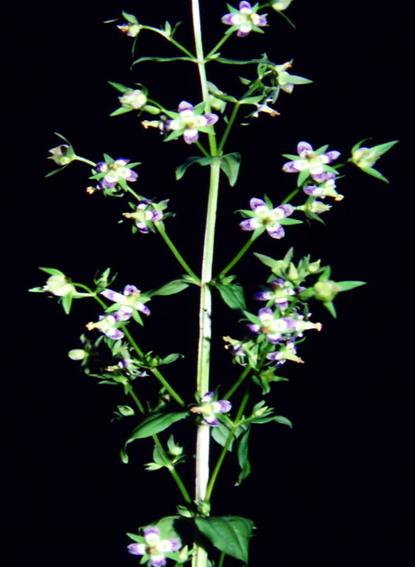
Names in different Indian languages
| Hindi | Chirayata, nepalinim |
|---|---|
| Telugu | Nelavemu, nilaveru |
| Tamil | cirattakucci |
| English | Chiretta, brown & white Chiretta |
| Marathi | Kiraita |
| Kanada | Nilavebu |
| Gujarati | Kariyatum |
| Malayalam | Uttara kiriyattu |
| Sanskrit | Kirata tikta, nepalanimbah |
| Unani | Chiraitaa |
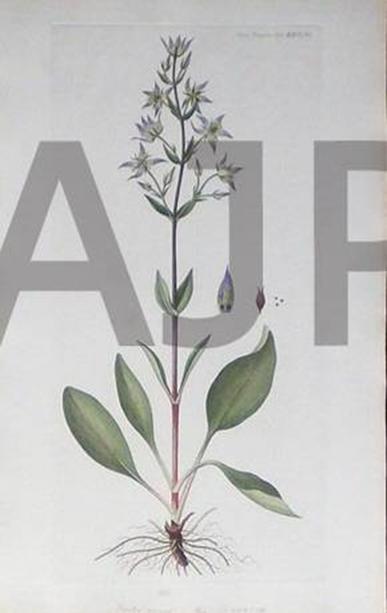
Synonyms
Kiraata, Kairaata, Kiraataka, Kandatikta, Kiraatatikta, Kiraatatiktaka, Katutikta, Trinnimba, Bhuunimba, Aranyatikta, Raamasenaka. Bhuunimba
Swertia chirata (Wall.) C. B. Clarke.
Swertia tongluensis Burkill.
Gentiana chirayita Roxb. ex Flem.
Gentiana chirata Wall.
Ophelia chirata Griseb
Classification according to Charaka, Susrutha & Vagbhata
| Charaka | Stanyasodhana, Trsnanigrahana, Tikta skandha |
|---|---|
| Susrutha | Aragvadhadi |
| Vagbhata | Aragvadhadi |
Varieties & adulterants – (CV – controversy, AD – adulterants)
1. Kiräta tiktã – S. chirata
2. Kãlamegha – A. paniculata.
3. Naipãla Nimba – Himalayan species.
4. S. tongluensis
5. S. perennis
6. S. utahenis
7. G. chirayata
S. perennis
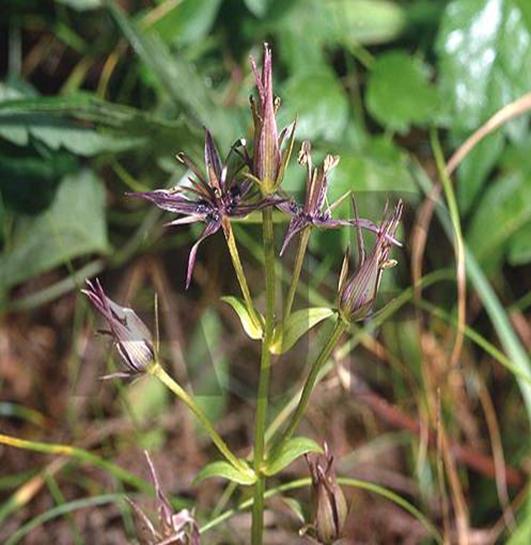
S. utahenis
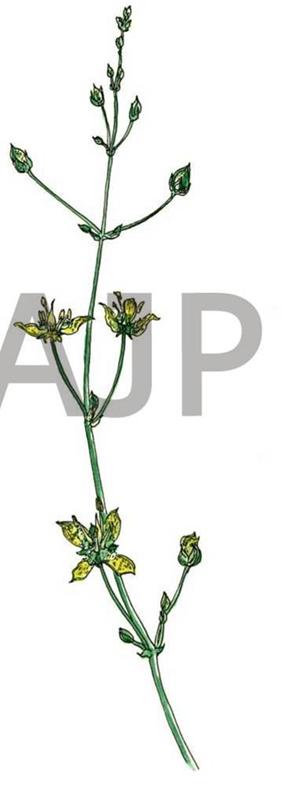
Morphology
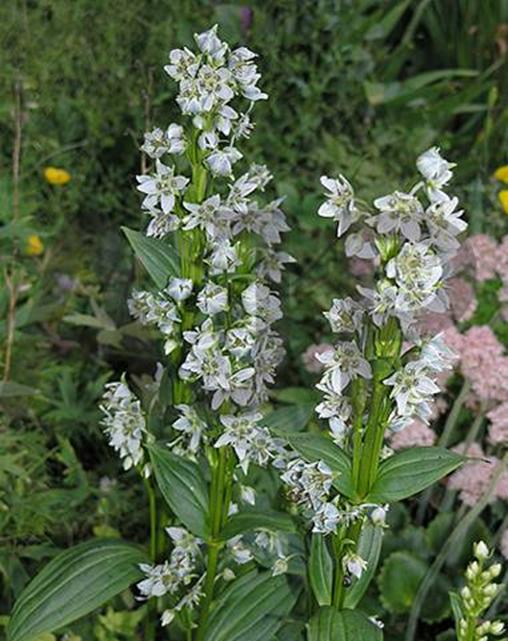
Herb with stem 50-110 cm. height wit robust stems.
Leaves—ovate, broadly lanceolate, cauline, subsessile, elliptic, acute, lower leaves usually larger.
Flowers in large flowered panicles, leafy; often fascicled; corolla lurid-green-yellow
Fruits— sessile, ovate capsules.
Seeds— polyhedral, smooth.
Flowers and fruits in August October
Habitat & Distribution
Temperate Himalayas: ascending to 1300-3500 m (between Kashmir to Bhutan); in the khasi hills in Meghalaya at 1200-1500. m.
chemical constituents
Amarogentin, gentiopicrin, isobellicifolin decussarin, chiratol, swerchirin, methyl swertianin, mangiferin, swertianin, swertinin, chiratanin enicoflavine gentianine, gentiocrucine Kairatenol, pichierenol swertanone swertenol episwertenol , beta-sitosterol etc.
Properties
Guna Laghu, Ruksa
Vipãka Katu
Rasa Tikta
Virya sita
Karma Kapha-pittahara, Stanya sodhaka
Thermogenic, anti-inflammatory, antipyretic, sudorific, antiperiodic, Blood purifier, hypoglycaemic, anti malarial
Part Used— Whole plant
Dosage— Powder 2-4 g., Decoction 50-100 ml.
Indication:
Sannipata jwara, rakta pitta,arsas, svasa, krimi, kustha, sopha, trsna, daha
fever, cough, burning sensation, gastropathy, dyspepsia, skin disease.
External uses: Its decoction is used to clean discharging wounds. Persons suffering from generalized itching are asked to take bath with its decoction (kwadha).
Internal uses
Digestive system : Increases appetite, relieves thirst, helps in amapachan, cholagogue, laxative, anthelmintic. there lose kiratatikta is useful for loss of appetite and dyspepsia. Similarly the decoction (kadha) or powder of kiratatikta can be given in thirst due to ama, dysfunction of liver, constipation and worms. With this, digestive system improves slowly, the appetite is increased and evacuation of faces improves
Circulatory system : Like all other bitter drugs. kiratatikta also purifies the blood. It is heamostatic and antiphlogestie. The use of this is famous in all kinds of swelling (Vagbhatta chikitsa – 17/ 38) II is useful in bleeding piles, jaundice and anaemia.
Respiratory system It is an expectorant and antiasthmatic. It is useful in asthma produced by obstruction of air passage.. In vomiting of pregnancy, powder or- decoction is given with
honey.
Reproductive system : Purifies breast milk. By digesting nasa Dhatu, it produces pure and easily digestible milk
Skin Helps in skin diseases by reducing the maja of all the dhatus, It reduces swelling due to inflammation. It improves agni of rasa and rakta and therefore used in all diseases of skin and purifies.
Temperature : Kiratatikta is more famous for its use in fever as an antipyretic. It is useful in malarial fever. In post febrile weakness, or in chronic fever, mahasudarshan siddha milk is used (powder is boiled in milk and water to reduce to half quantity ie, siddha milk). It works wonderfully well, Children’s clothes dipped in decoction of kiratatikia and dried are given to children , so that the temperature is reduced.- It produces sweating and the wearer feels relieved. Enlargement of spleen is also reduced with this.