Botanical Name: Symplocos cochinchinensis (Lour.) Moore
Ssp. Laurina (Retz.) Nooteboom
Family: Symplocaceae
Introduction:
This plant very much useful in skin disease. Some people considered Symplocos racemosa as Lodhra.(both are useful). In kerala Symplocos racemosa known as white variety of Lodhra. Usages are almost similar.
In Rig-Veda ‘Lodha’ is described and used for eye diseases.Bark which is red in colour is the reason for the description ‘Raktavarna’ as synonym.
Names in different Indian languages
| English | Chunga |
|---|---|
| Hindi | Bholiya , sodh |
| Kannada | Lodha |
| Malayalam | Pachotti |
| Sanskrit | Lodhrah |
| Tamil | Kambi vetti |
| Telugu | Lodduga |
| Unani | |
| Folk |
Synonyms
Lodhra, Rodhra, Shaavara., Sthulavalkal, Trita, Pattikaa Lodhra, Shaabara Lodhra, Aksibhaisajya, Nayanousadha, Tilvaka, Tirita, Kandahina, Bhilli, Rodhra, Sthüla valkala, sãvaraka, sambara, Kãkakila, Hasti Lodhraka
Symplocos laurina
Symplocos spicata Roxb. Var. laurina
Classification according to Charaka, Susrutha & Vagbhata
| Charaka | sonitasthaPana, Sandhãniya, Purisha sangrahaniya, Kasãya skandha |
|---|---|
| Susrutha | Lodhrdi, Nyagrodhãdi ganas |
| Vagbhata | Lodhrdi, Nyagrodhãdi ganas |
Varieties & adulterants – (CV – controversy, AD – adulterants)
1. Savara lodhra – S. racemosa
2. Pattika lodhra – S. crataegoides
3. S. laurina
4. S. paniculate
5. S. summuntia
6. Tilvaka -[CV]
7. Red
8. White
9. Desmodium pulchellum [CV]
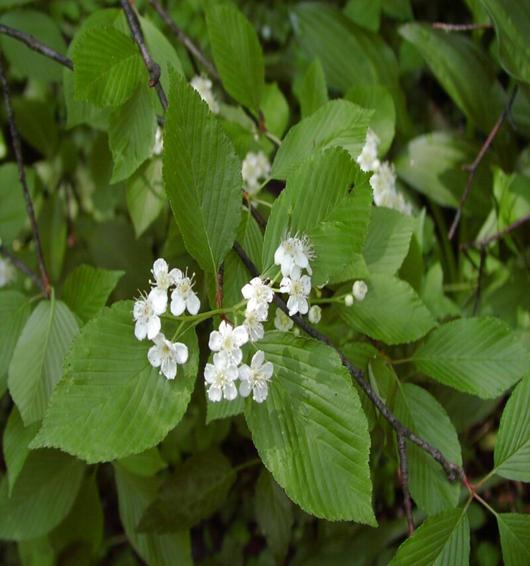
Symplocos racemosa
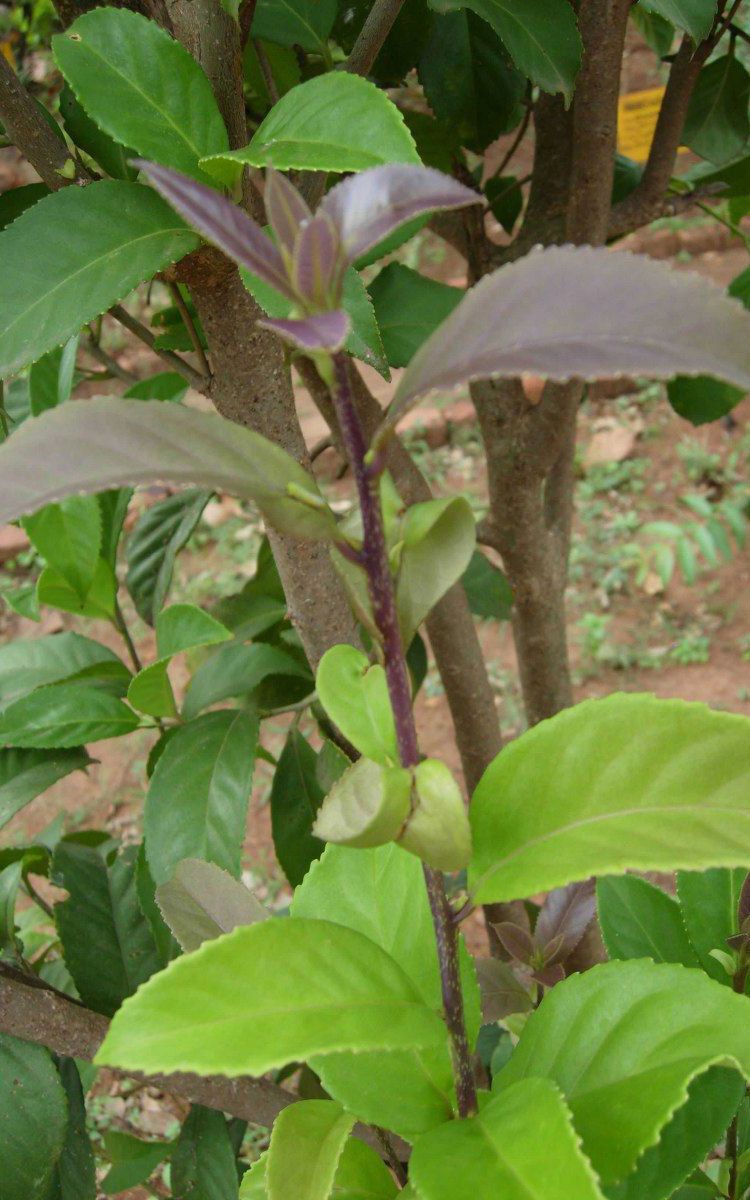
Symplocos laurina
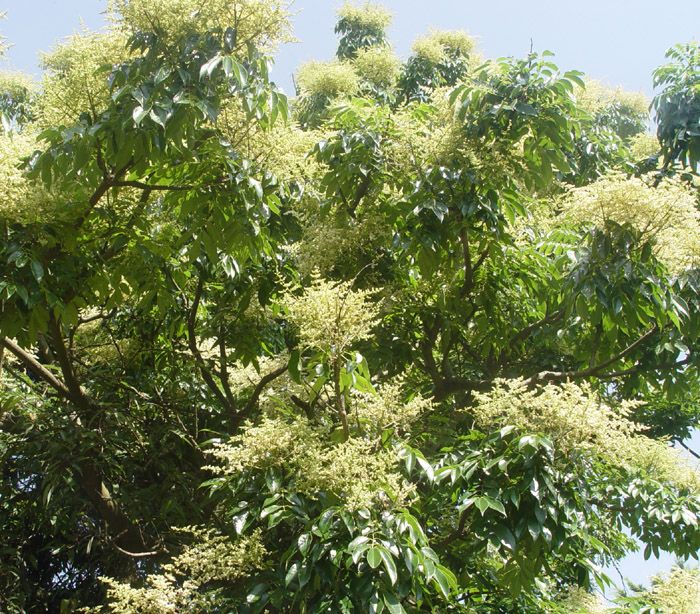
Symplocos paniculata
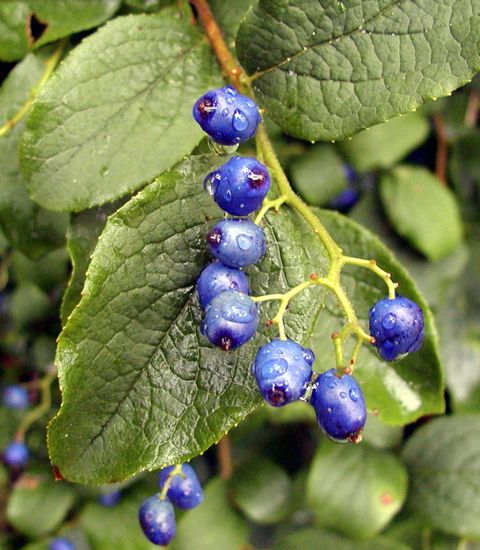
Morphology
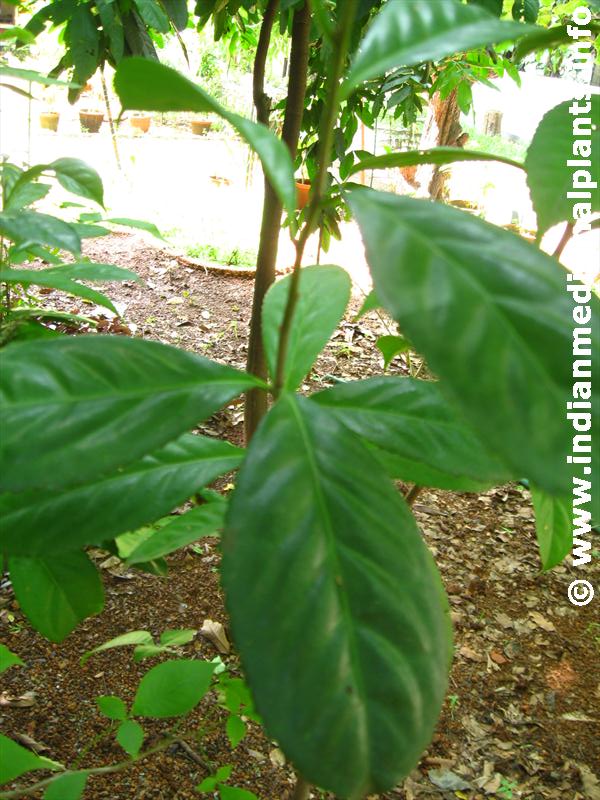
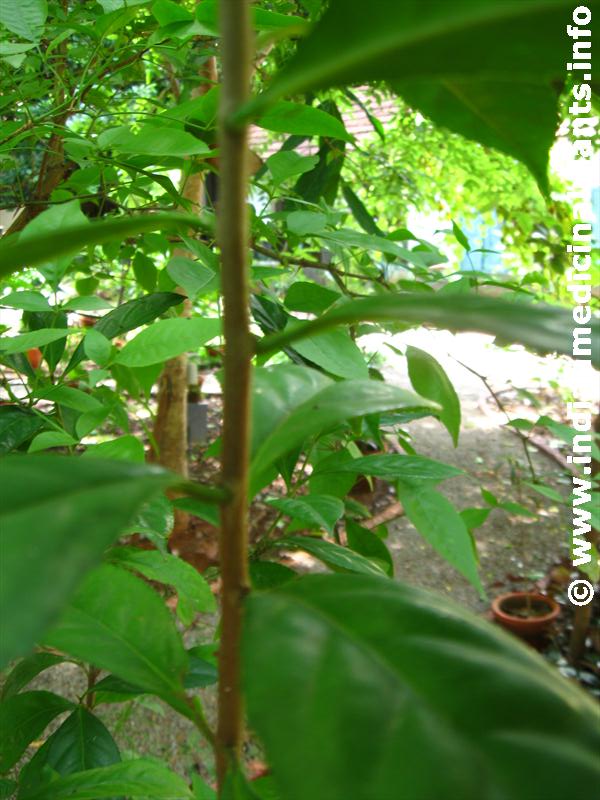
It is a medium tree which grows about 5-7 m. Bark is dark grey and rough, white wood.
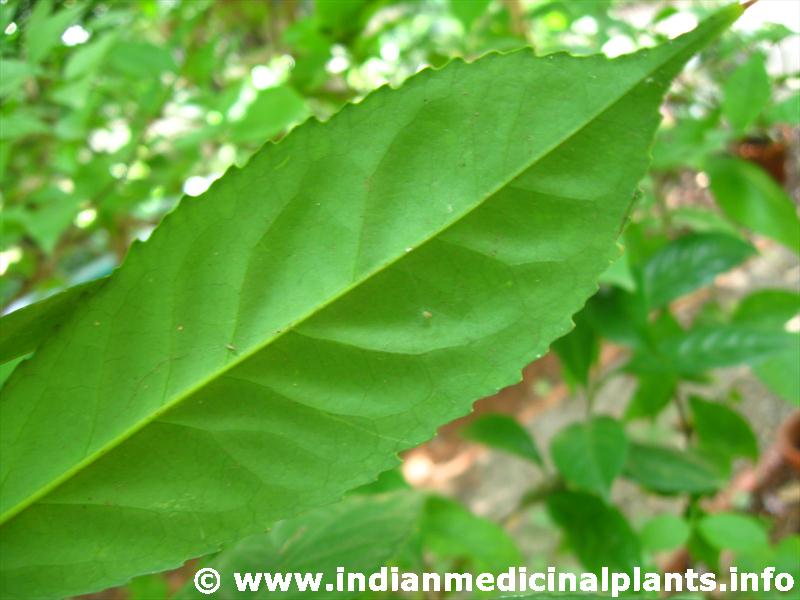
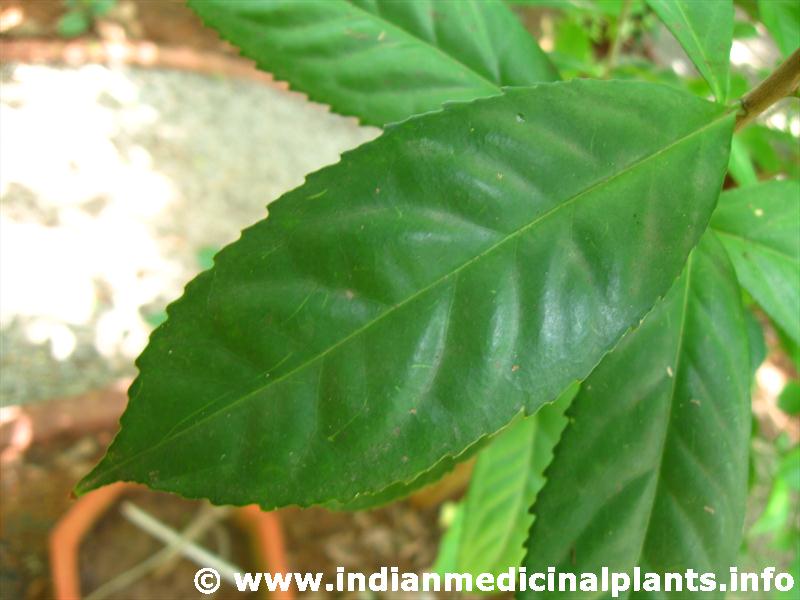
Leaves- simple, alternate, serrate, elliptic-oblong, acute, glabrous above, pubescent beneath.
Flowers- white to whitish yellow in simple axillary racemes, fragrant,. Bracts ovate, tomentose, calyx- glabrous.
Fruit- globose, purple, drupe, 1-1.5 cm. long
Seeds: 1-3, testa thin. The bark is grayish.
Distribution & Habitat
All over India
Chemical constituents:
colloturine, Harman (loturine) , loturidine, proanthocyanidin, Omethyl- leucopelargonidin. Betulinic, oleanolic, acetyl oleanolic and ellagic acids
Properties:
Rasa Kasäya, Tikta
Guna Laghu, Rüksa
Virya sita
Vipaka Katu
Karma Kapha-pittahara, Grãhi, Caksusya, Vranahara,
Expectorant, anti inflammatory, febrifuge, constipating, blood purifier.
Srotogamitva:
Dosha: Kaphapittaghna,
Dhatu: Rakta (raktapitta).
Mala : Purisha (grahi).
Avayava : Eyes (chakshu), uterus (constrictor).
Indication:
Pradara, Raktapitta, Pravãhikã, Atisãra, Netra roga, Jvara, sopha, Kustha.
diarrhoea, menorrhagia, leucorrhoea , dysentery, vaginal ulcers, inflammatory affections and liver disorders
Part used:
Bark, leaves
Dosage:
Leaf juice 10-15 ml
Powder 2-4 g
Decoction 50-100 ml
External uses : It removes oedema and is antileprosy, haemostatic and wound healing. Hence its paste is used in skin diseases, swelling, bleeding wounds and ulcers. It reduces pain and oedema. Ear discharge is treated with the powder of lodhra. Since it strengthens the gums, the powdered bark of lodhra is used in toot powders.
Internal uses:
Digestive system It is astringent and hence is useful in diarrhoea, dysentery and tenesmus.
Circulatory system Since it is a coagulant. it is used in bleeding disorders. It causes excellent vasoconstriction of capillaries thus stopping bleeding and reducing swelling.
Respiratory system : Lodhra reduces bronchial secretion (mucous discharge) and kapha, useful in kaphajkasa (and related diseases).
Reproductive system : Specially useful in inflammation of the uterus and reduces leucorrhea and menorrhea. Decoction is used for ‘uttarbasti’ or douche in diseases of the uterus.
Diseases of the eyes : Externally useful in conjunctivitis. The decoction is used for eye-washes. Poultice prepared from lodhra is used to foment the eyes. Its paste is applied around the eyes. For this, it may be used with yashtimadhu rasanjan and alum. This helps to set the paste and reduce the oedema.
Skin : Since it is kushthaghna, it is useful in skin diseases requiring purification of the skin. Pyrerda : Antipyretichence useful in fevers originating from kaphapitta.
Pregnancy; When excessive foetal movements are noted in 7th and 8th month of pregnancy, lodhra powder should be give orally with honey.
Important Yogas or Formations:
Lodhradikadha. Rodhrãsava, Lodhrãdi Kasãya
Therapeutic Uses:
(1) Pradara- Bark of Lodhra is given orally with the decoction of Vata vikarak ((C.S.Ci. 30).
(2)Pravãhikã— Bark paste is administered with curd (B.P.)
(3) Kushta- Bark paste is used externally (C.S.Ci.7).
Descriptions on Ayurveda books / Nighandu:
1
2
3
4
5
6
7
8
9
10
11
12