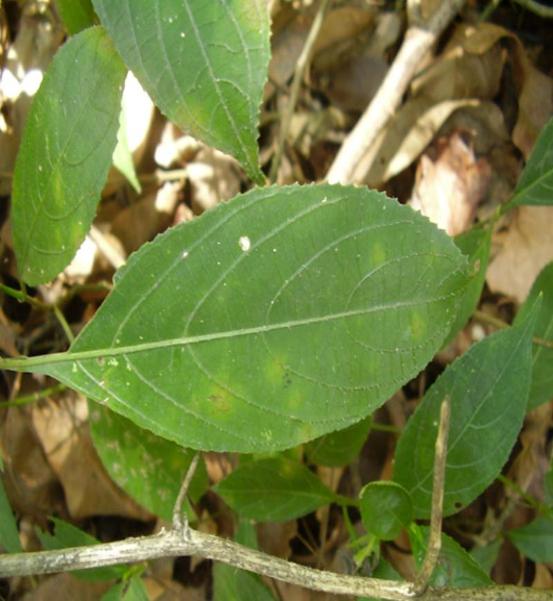
Botanical Name: Strobilanthes ciliates Nees.
Family: Acanthaceae
Introduction:
In kerala Strobilanthes ciliates used as ‘sahachara’ but in North Barleria
Prionitis used
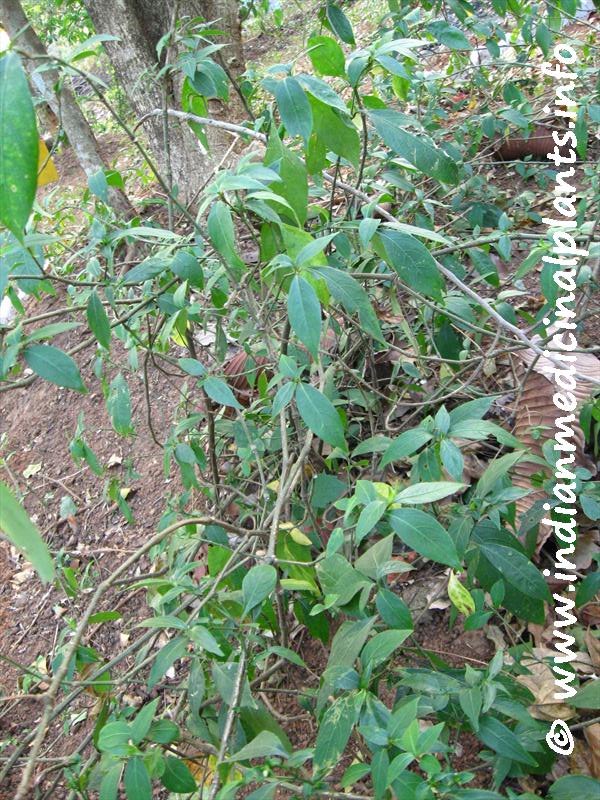
Names in different Indian languages
| English | |
|---|---|
| Hindi | Karvi, kara |
| Kannada | |
| Malayalam | Karimkurunni, kurunni, vellakurunni |
| Sanskrit | Sahachara |
| Tamil | Kurinji, Sinnangurinji |
| Telugu | |
| Unani | |
| Folk |
Synonyms
Nilgirianthus ciliates (Nees) Bremek
Classification according to Charaka, Susrutha & Vagbhata
| Charaka | |
|---|---|
| Susrutha | |
| Vagbhata |
Varieties & adulterants – (CV – controversy, AD – adulterants)
Barleria prionitis – CV
Morphology
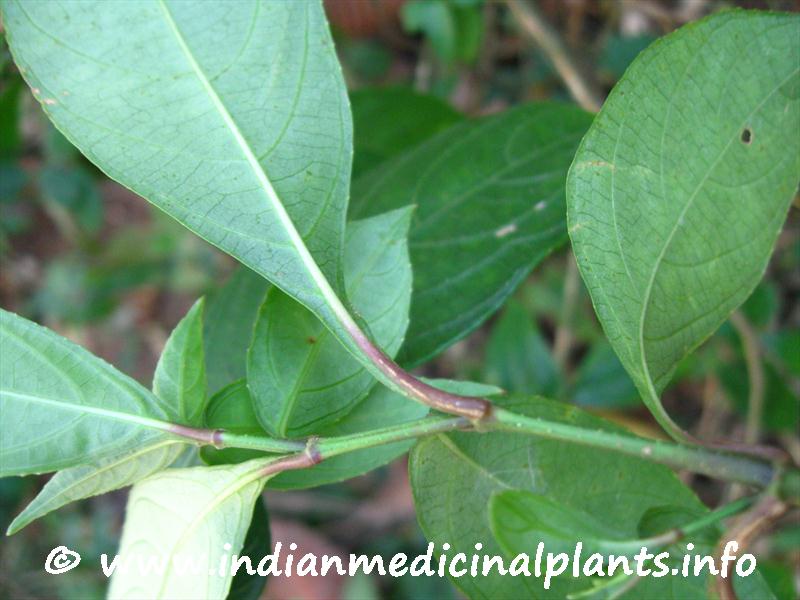
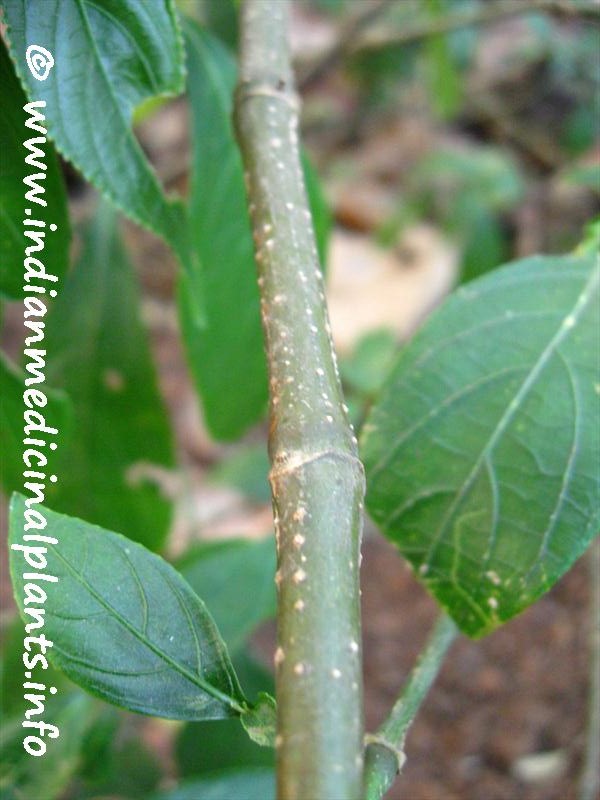
It is a shrub, grows up to 1-2 m , height, with purple colored stem.
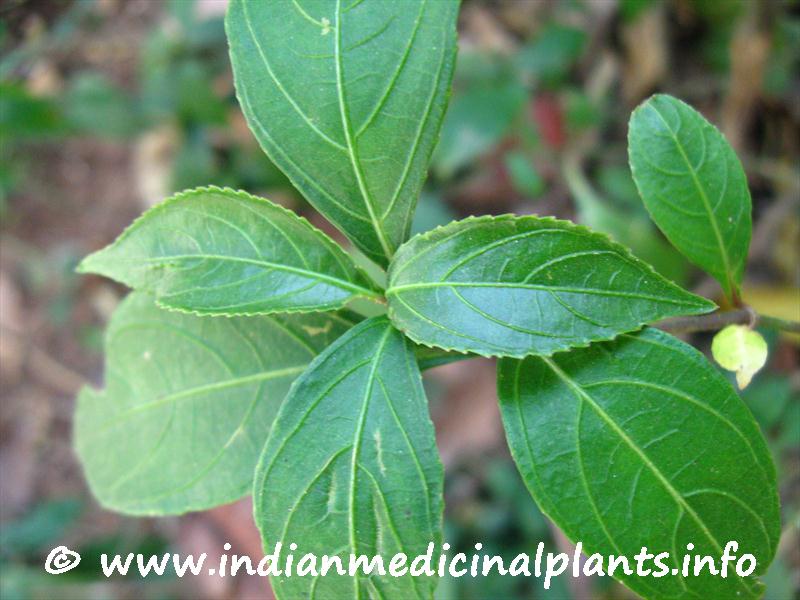
Leaves – simple, opposite, darkgreen, rough, elliptic-lanceolate, serrate
Flower – blue- violet
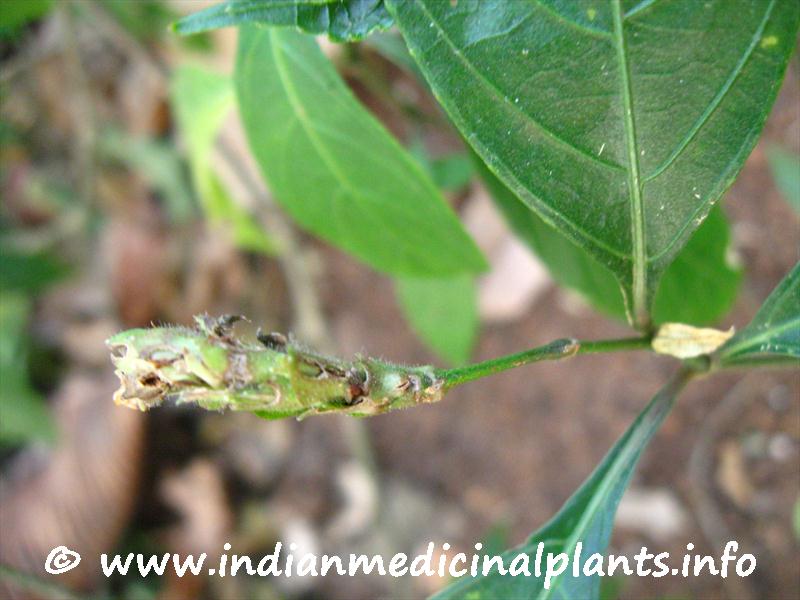
Fruit – rarely formed
Distribution & Habitat
South India, western Ghats
Properties:
RASA-madhur, kashaya
GUNA-snighdha
VIRYA-ushna
VIPAKA-katu
Karma –dipana, pachana, sophahara, keshya, balya, rasayana
Diuretic, expectorant, thermogenic, anti inflammatory
Srotogamitva:
Dosha : kapha vatha hara, pittha prakopana
Dhatu :raktha, majja, asthi
Mala :mutrala
Indication:
Rakta vikara, vatha, sula, kandu, raktha vata,
sciatica, glandular swellings and oedema, cough, lumbago, fever, leucoderma, skin disease
Part used:
Whole plant
Dosage:
Leaf juice 10-15 ml
Powder 2-4 g
Decoction 50-100 ml
Important Yogas or Formations:
Sahachardi kashaya, taila
Therapeutic Uses:
- Decoction useful in Low back ache
Descriptions on Ayurveda books / Nighandu:
1
2
3
4
5
6
7
8
9
10
11
12