Botanical Name: Strychnos potatorum Linn.f.
Family: Loganiaceae; Strychnaceae
Introduction:
Ancient Indians used the seed of this plant for water purification.
Latin name: Strychnos = Gk. name for solanum and allied = poisonous; potatorum = pertaining to drink.
Names in different Indian languages
| English | Clearing Nut tree |
|---|---|
| Hindi | Nirmali, nelmal |
| Kannada | Cilu, cilledabija |
| Malayalam | Tettamaram, tettamparal |
| Sanskrit | Kataka |
| Tamil | Thettran, Thetrankottai |
| Telugu | Katakamu, indupacettu, cillacettu |
| Unani | Nirmali |
| Folk |
Synonyms
Katakaphala,ambuprasadah, Payah-prasaadi, Chakshushya, Nirmali.
Classification according to Charaka, Susrutha & Vagbhata
| Charaka | |
|---|---|
| Susrutha | |
| Vagbhata |
Varieties & adulterants – (CV – controversy, AD – adulterants)
Morphology
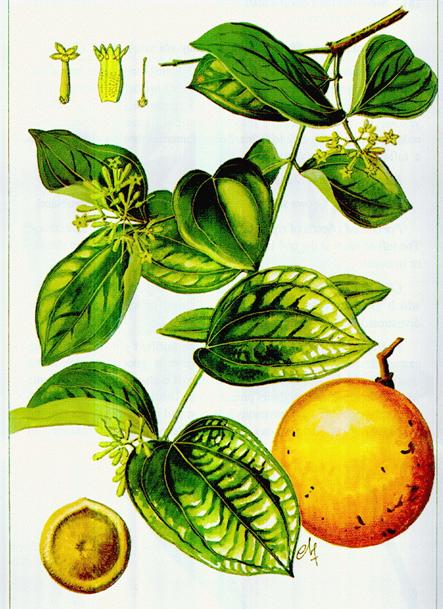
A tree 10 to 20 mtrs. high, (higher than
Strychnos nuxvomica).
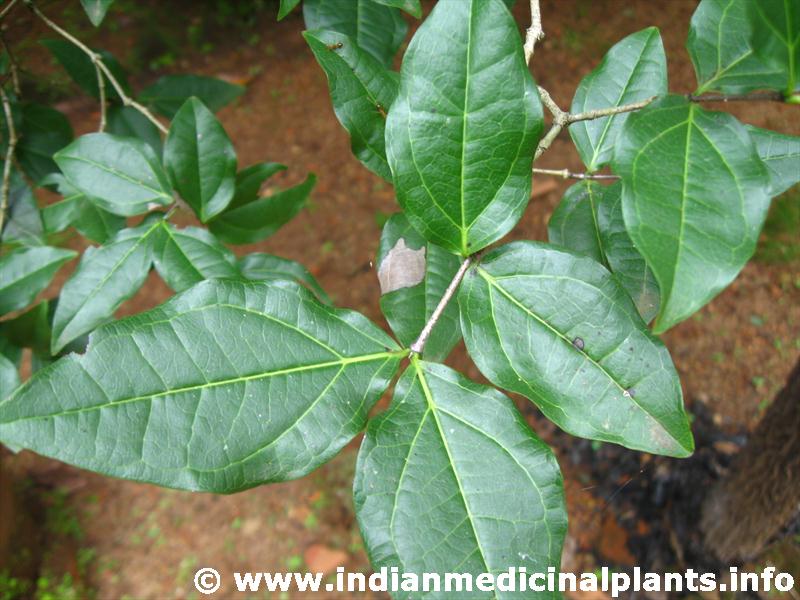
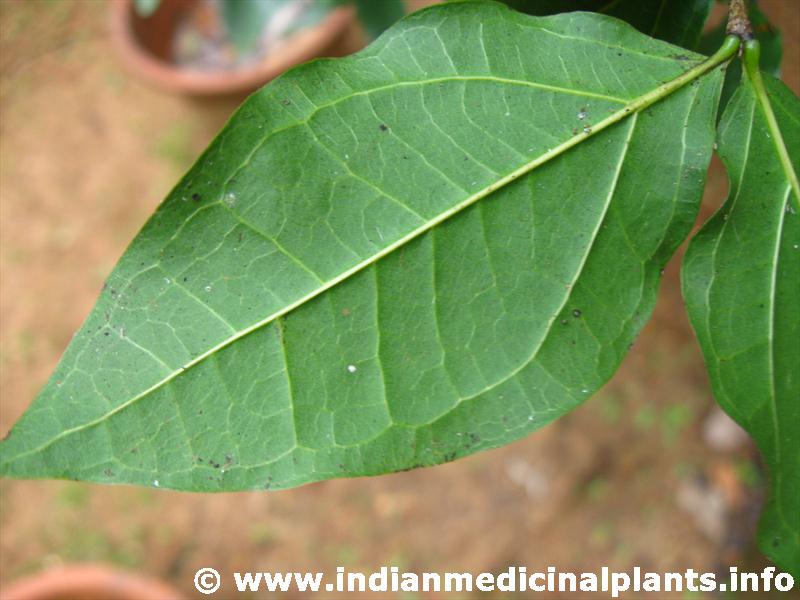
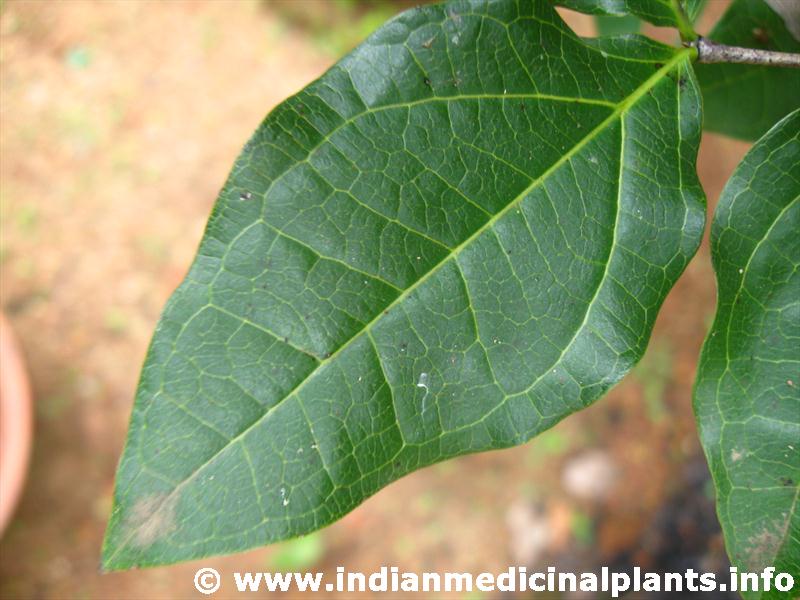
Leaves- simple, opposite, ovate.
Flowers – yellow.
Fruits – berry, black.
Seeds like the seeds of Strychnos nuxvomica, but small, double convexes. white and hard,
Distribution & Habitat
South and North-East India
Chemical constituents:
Diabolin, acetyldiabolin, brucine, strychnine, novacine, icajine, oleanolic acid, isomotiol, stigmasterol, campesterol , sitosterol
Properties:
Guna: laghu, vishad;
Rasa: madhur;
Veerya: sheeta
VIPAKA:madhur
Karma – chasukyam, rucyam, sitalam, chedaniyam
Diuretic, digestive, emetic, carminative,
Srotogamitva:
Dosha: ‘Kapha-vataghna (fruit – vatavardhak).
Dhatu: Rakta, meda (urinary disorders, anaemia, jaundice, dermatoses).
Mala: Purisha (astringent), mutra (diuretic).
Prabhav Beneficial to eyes.
Indication:
Meham, raktapitta, krimi, kusta, chardi
dysuria, polyuria, urolithiasis, epilepsy, skin disease, renal disease, neural complaints, ulcer, diabetes
Part used:
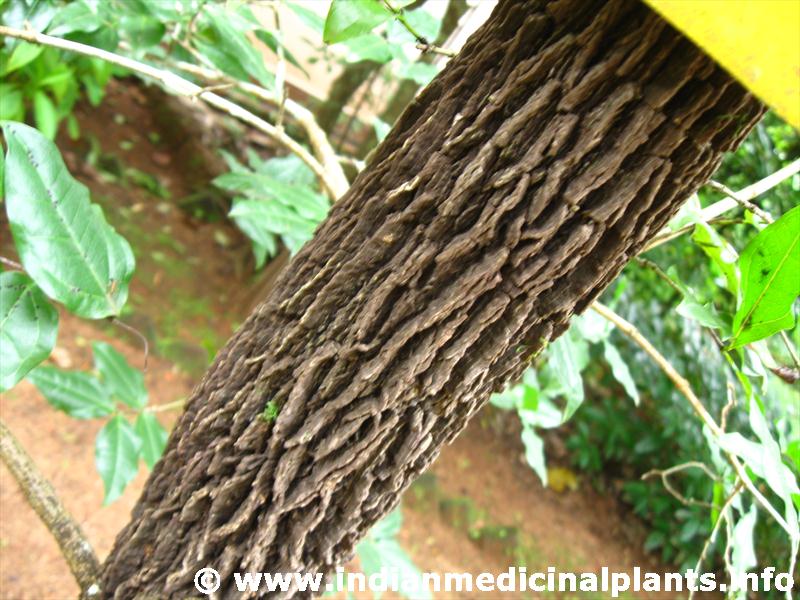
Seeds , bark
Dosage:
Powder 0.5-1 g
Decoction 50-100 ml
Uses : To purify water. When its seeds are tubbed in water and added to impure water, all the impurities in the water settle-at the bottom arcd water is purified. Sushrutacharya has mentioned kataka as a ,est drug to purify the water. .
External uses: It is rubbed in honey and applied in the eyes as a anjan in corneal ulcer and chronic conjunctivitis. Powdered seeds along with the honey are applied on the abscess.
Internal uses : Its seeds are appetizer, astringent and also improve the taste. Large dose causes emesis. It is useful in anorexia, diarrhoea .It is a diuretic and is used in dysuria, pytisia, ikshumeha. Roots are used in dermatoses
Important Yogas or Formations:
Nisha katakhadi kashaya, katakha gadiradi kashaya
Therapeutic Uses:
- Seed powder useful in diabetes.
Descriptions on Ayurveda books / Nighandu:
1
2
3
4
5
6
7
8
9
10