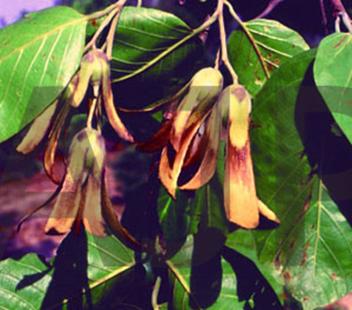
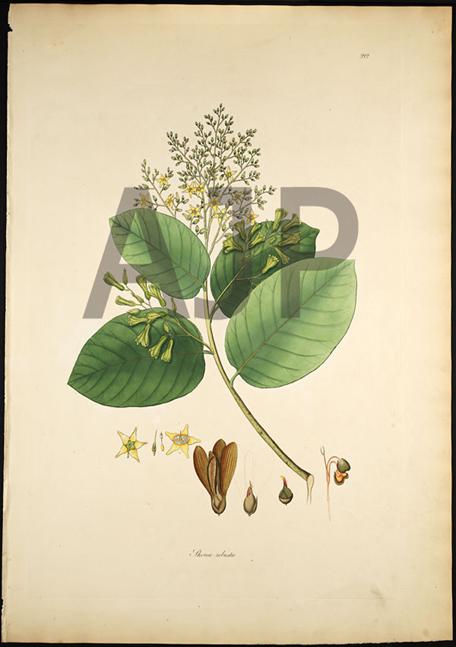
Botanical Name: Shorea robusta Gaertn. f.
Family: Dipterocarpaceae
Introduction:
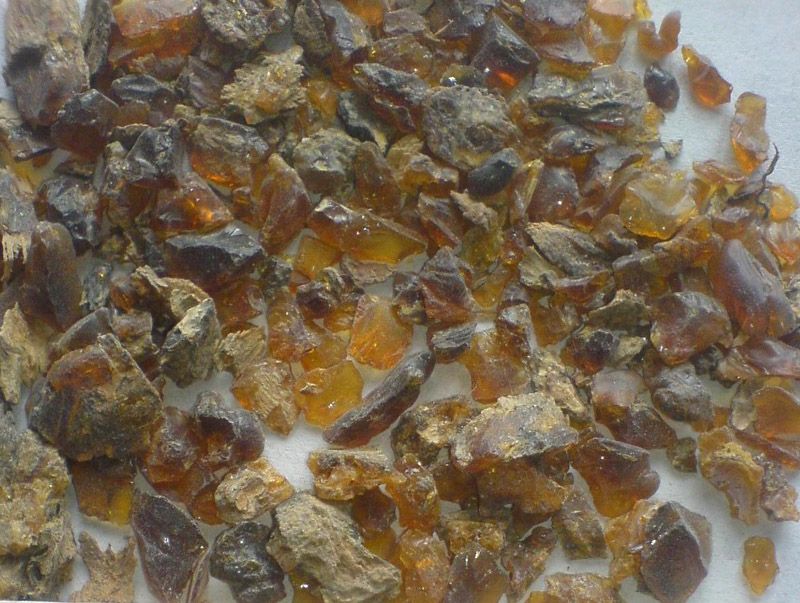
The resin used in bleeding piles , dysentery , Kusta (skin diseases) & Diabetes.
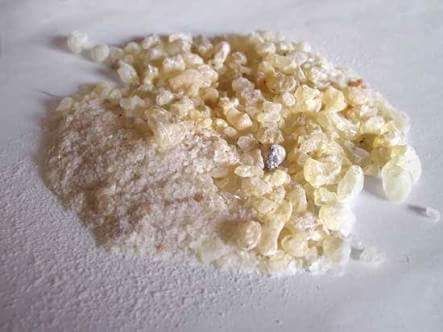
Names in different Indian languages
| English | Sal tree. Oleoresin: Sal Dammer or Bengal Dammer |
|---|---|
| Hindi | Sal |
| Kannada | Sala, kabba |
| Malayalam | Salavrksam, mulappumarutu |
| Sanskrit | Salah, asvakarnah |
| Tamil | Kungiliyam, salam, Venkungiliyam (resin). |
| Telugu | Sarjakamu , guggilamu |
| Unani | |
| Folk |
Synonyms
Agini vallabhã, Asva karna, Kanakalodbhava, Kalyana, Käntã, Kãnta bhtiruha, Ksana Kãmari, Devestab, Marica patraka, Yaksa dhupa, Rãla, Babu rupa, Lalana, Sarja, Sarja Rasa, akradru, Räla Niryasa, Vrscikãra, Seetalã rasa, Sarja niryasa, Surabha dãru, sasya Sambara, sãla niryãsa, sãIa rasa, Sarja niryasa, Surabhj,Sura hupa, Kãla, Kalaloja
Classification according to Charaka, Susrutha & Vagbhata
| Charaka | Salasaradi gana, Rodhradi gana |
|---|---|
| Susrutha | Asanãdi gana, Rodhrãdi gana |
| Vagbhata | (A.S) Vedanãsthãpana Asanadi gana, Rodhrãdi gana (A.H) Asanadi gana, Rodhrãdi gana |
Varieties & adulterants – (CV – controversy, AD – adulterants)
| (i) Asvakarna – (ii) Ajakarna_- (iii) Asana – (iv) Sãla – (v) Sallaki – |
Sãla bheda Sãla bheda Pita sãla Sarja bheda Sã1a |
|---|
(i) sãla = Shorea robusta Gaertn.
(ii) Sarja = Vateria indica Linn.
(iii) Avakara = Dipterocarpus alatus
(iv) Aja Karna = Shorea tumbuggaia
Morphology
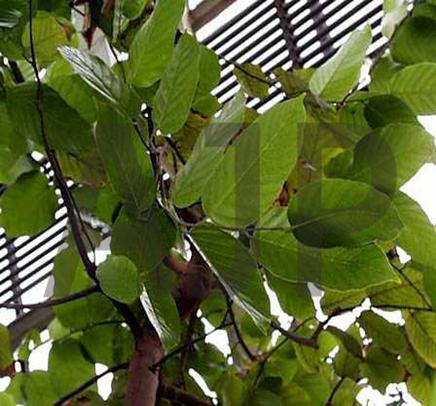
A deciduous tree with dark brown bark.
Leaves- 12-32 x 5-16 cm., ovate-oblong, acuminate, coriaceous, cordate base, petiole 1.2-2cm long;
Flowers- 1.4 cm long, yellowish, in terminal and axillary racemose panicles 8-23 cm, long; calyse- tubular, grey, tomentose outside, Petals narrow- oblong tolanceolate, silky- tomentose outside. Stamens upto 60,
Fruit- 1.2 cm long, ovoid acute andindehisent. Seed ovoid, flesty with unequal cotyledons.
Distribution & Habitat
North, east and central India. Kangra dist. of Himachal Pradesh, Ambala dist. of Haryana Darrang dist. of Assam. western parts of west Bengal, Orissa and Visakhapatnam dist. of Andhra Pradesh.
Chemical constituents:
Tannin, Hydroxy-hopanone, dammarenediol II,
tannins (pyrogallol type). Oleanolic acid. Benzofuranshoreaphenal, Sal Dammar, Epi-II— taraxastanonol, beta—sitosterol, hydroxyanone, dammarenediol II, dipterocaipol, dammarenolic acid, asiatic acid and ct—amyrin are isolateu. Ursolic acid, ursaldehyde ,Corlagin, ellagic, chebulic and gallic acids phenolic acid- shorbic acid
Properties:
Rasa : Kashaya,madura
Guna: ruksha,usna
Virya: seeta
Vipaka : katu
Karma : vãta-pita hara,stambhana,vrana ropana,kasaghna, svasa hara
astringent, detergent; antidiarrhoeal , antidysenteric
Indication:
Kãnda bhagna (fractures), Visa roga (poisoning), Kustha (Skin diseases), Vrana (ulcers), Yoni roga (gynaecological conditions), Karna roga (ear diseases), Atisãra (diarrhoea), Dagha Varna (burns), Rakta pitta (haemorrages), Kandü (prurities) etc.
Part Used-. The bark, sap wood, heartwood, resin, oil, seeds and seed oil
Dosage— Decoction of bark- 50 to 100 ml powder of resin- 1-3 g.
Srotogamitva:
Dosha Kapha
Dhatu : Rakta. mansa. asthi (rejoins the fractures), shukra Ivitilizer).
Mala : Purisha (astringent) sweda (reduces sweating). (In burns, ral ointment is very useful).
External uses : The ointment of rat cleanses wounds and heals them. It is useful in burns, dadru. Vipadika, analgesic etc.
Internal uses
Nervous system : Vataghna therefore analgesic. Used in ear diseases and eyes.
Digestive system : sal is deepan and pachan. As it is pachan and astringent, it is useful in diarrhoea, rakta pravahika and bleedtng piles.
Circulatory system : Haemostatic hence used in bleeding and in haemolytic anaemia.
Respiratory system Bark is kaphaghna .Antibacterial in the respiratory system.
Urinary system — Bark antidiuretic and hence used in diabetes. useful in urinary tract infections
Reproductive system : anti-inflammatory . It is an aphrodisiac and is useful leucorrhoea.
Skin : Kushthaghna and antidiaphoretic agent.
Satmikaran : Since it is astringent, it is used for facilitating reunion of fractures. By rukshguna it reduces meda. By these properties, it is useful wounds and obesity.