Botanical Name: Saraca asoca (Roxb.) DeWilde.
Family: Caesalpiniaceae
Introduction:
We can see a clear description from Atharva veda parisita. This plant is known as friend of female also a good uterine tonic.
Names in different Indian languages
| English | Ashoka tree |
|---|---|
| Hindi | Asoka |
| Kannada | Asokada, kengalimara, aksunkara |
| Malayalam | Asokam |
| Sanskrit | Asokah |
| Tamil | Asogam |
| Telugu | Asokamu, vanjalamu |
| Unani | Asoka |
| Folk |
Synonyms
Kañkeli, Madhu puspa, Rakta pallava, Vanjulah, Hema puspa, Gatasoka , Ashoka, Ashoku, Hempushpa, Taamrapallava, Pindapushpa, Gandhapushpa
Saraca indica auct. non L
Classification according to Charaka, Susrutha & Vagbhata
| Charaka | Kasãya skañdha,Vedanãsthapana |
|---|---|
| Susrutha | Rodhrãdi |
| Vagbhata | Rodhrãdi |
Varieties & adulterants – (CV – controversy, AD – adulterants)
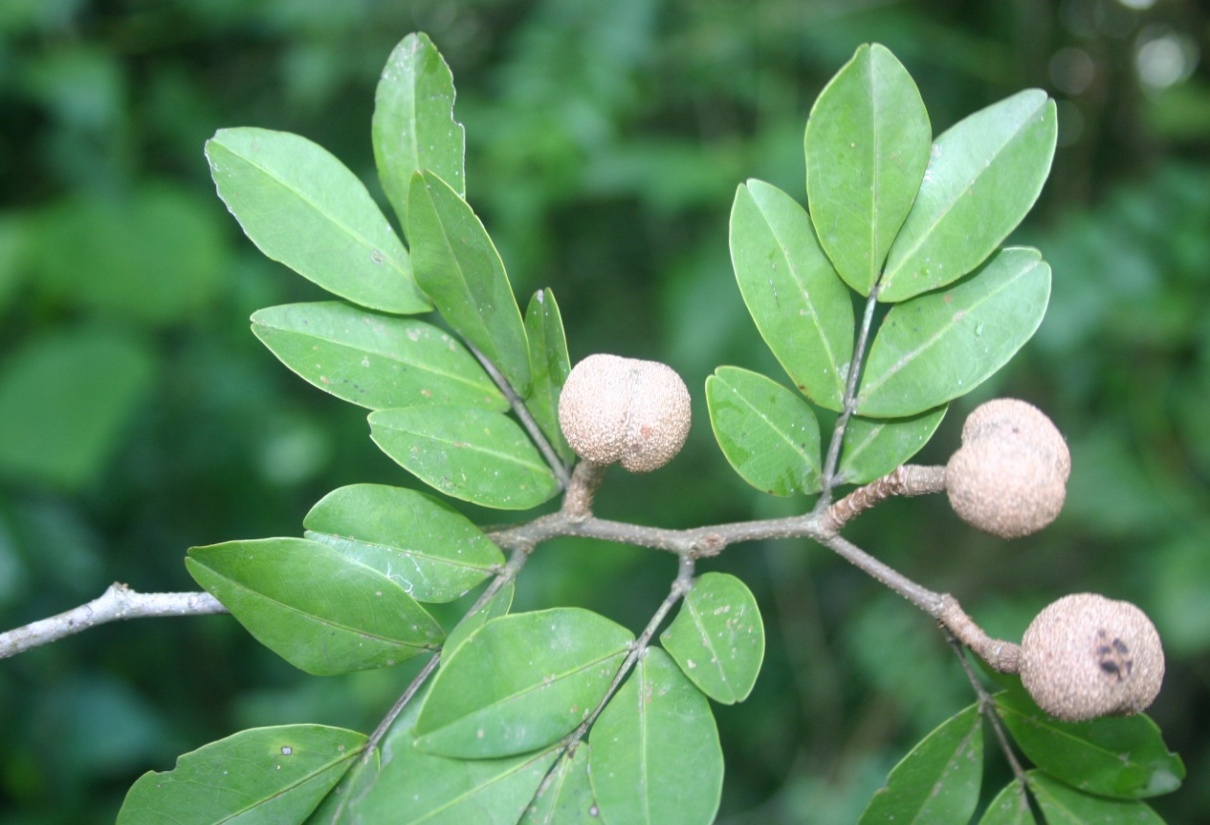
1. It is being adulterated with the barks Polyalthia longifolia , Shorea robusta ,Bauhinia variegate
Cynometra travancorica – AD
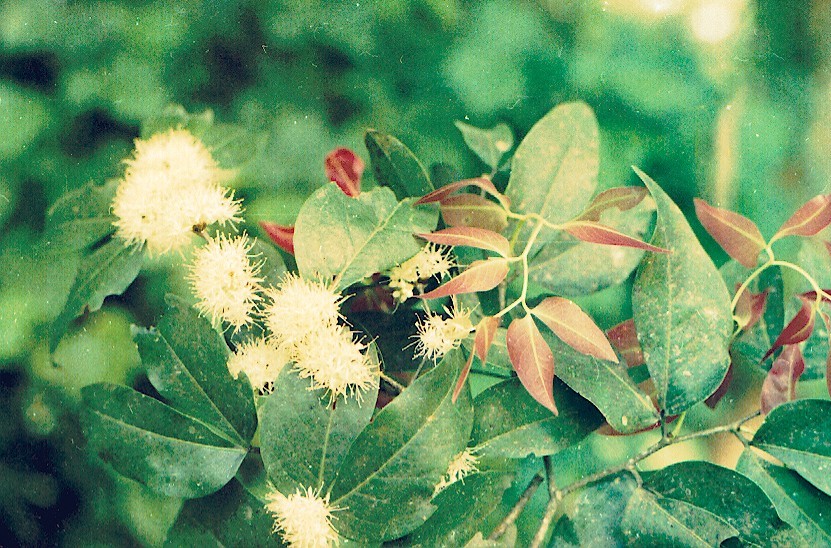
Cynometra beddomei – AD
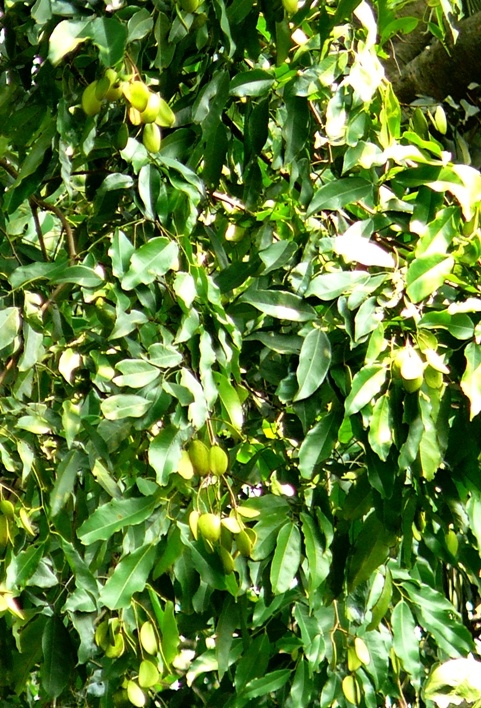
Substitute
Kingiodendron pinnatum
Morphology
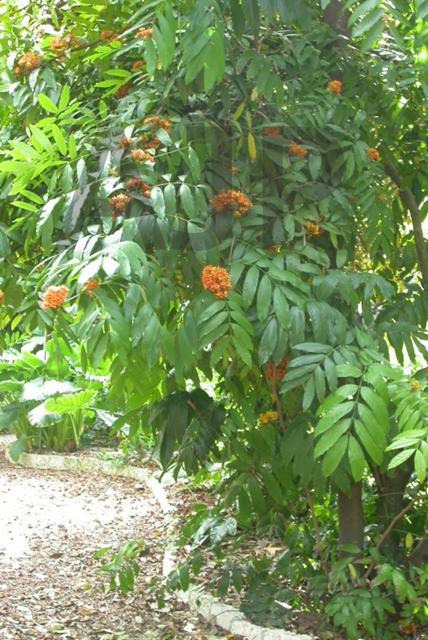
It is a small ever green tree with drooping glabrous branches, 8-10 m. in height.
Bark- with warty surface, dark-brown to grey or almost black
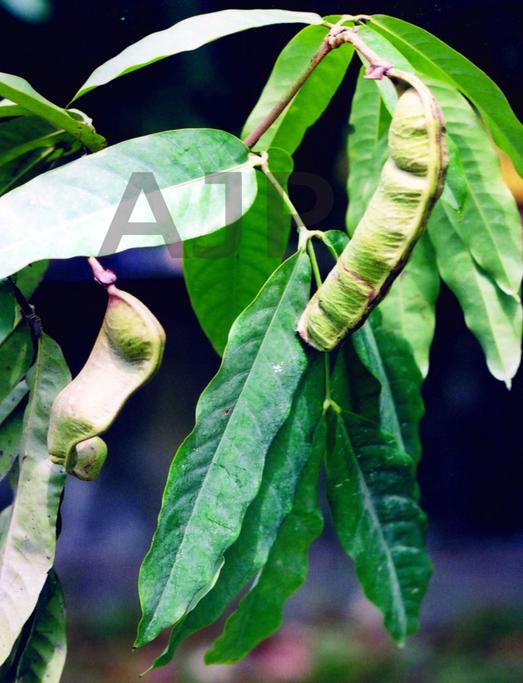
Leaves pinnate, 10-20 cm. long; leaflets 2-3 pairs, rigidly subcoriaceous, oblong or oblong-lanceolate.
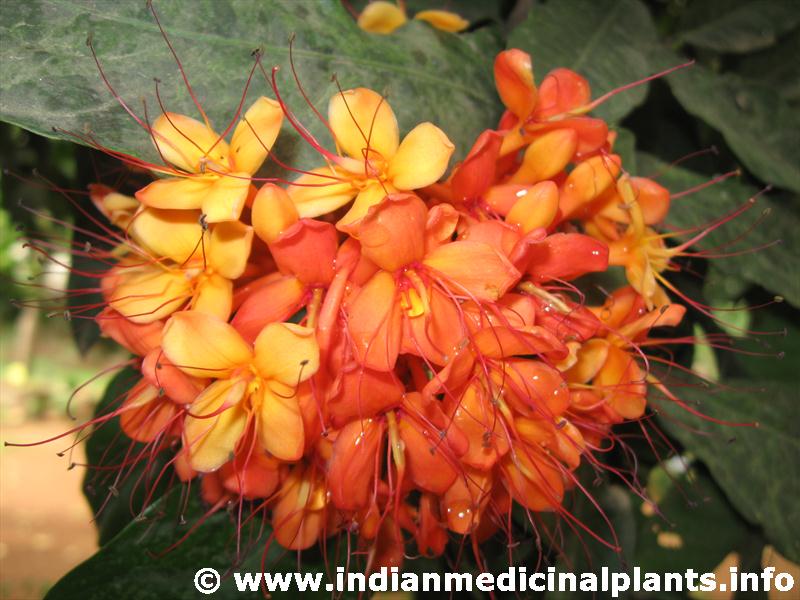
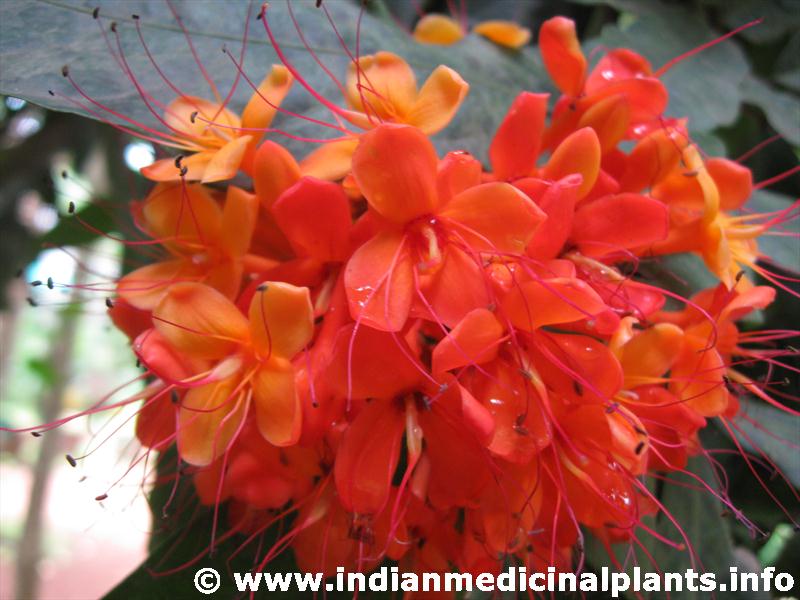
Flowers- in dense axillary corymbs, fragrant, orange or orange-yellow, finally turning vermillion-red.
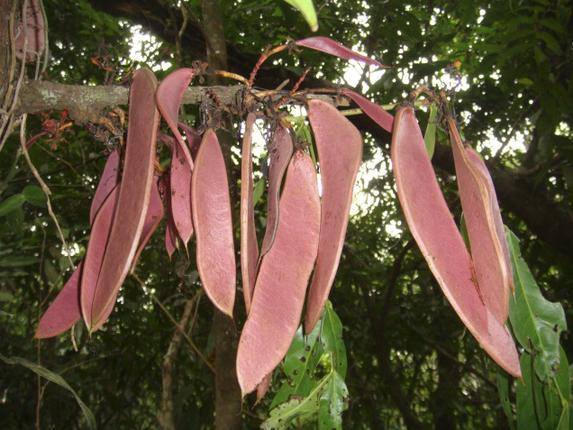
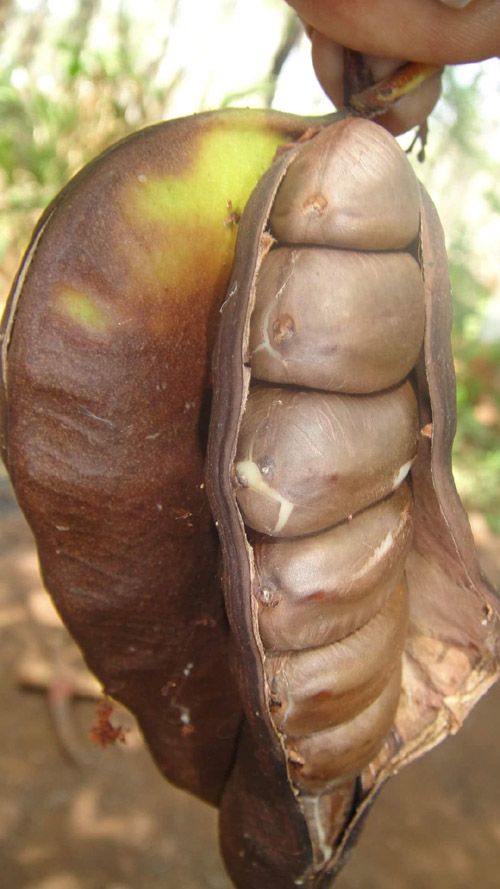
Fruits- pods, flat, oblong, woody, about 8 x 20 cm.
seeds- 4-8, ellipsoid oblong, compressed (Flowers in March-April and fruits in August- September).
Distribution & Habitat
All over India, abundant in South India. The tree is found in abundance in Bengal and Burma. Cultivated about 700 m. above height
Chemical constituents:
Apigenin,O-beta- D-glucoside, cyaniding,diglucoside, kaempferol , pelargonidin- ,diglucoside, quercetin, epicatechol, leucocyanidin, leucopelargonidin, procyanidin, derivatives, methyl-and ethylcholesterol, rhamnoside, amyrin, ceryl alcohol and beta-sitosterol
Properties:
Rasa –Kasaya, Tikta
Guna –Laghu, Rüksa
Virya –Sita
Vipãka –Katu
Karma – Pittahara, Hrdya, Varnya, Grãhi,
uterine tonic, constipating, blood purifier
Srotogamitva:
Dosha : Rapha, pittä kshayakarak.
Dhatus : Rakta (haemostasis), meda, rasayana.
Mala : Purisha ( astringent), diuretic.
Organ : Uterus Ashoka is ‘specifically used for rakta-pradara is called a friend of women
Indication:
gulma, udavartha, Apaci, Trisnã, Dãha, Krimi, Visaroga, Hrdroga, Rakta Pradara, Mutraghata, Asmari
fever, burning sensation, visceromegaly, colic, leucorrhoea, piles, menorrhagia
Part used:
Stem bark, seeds, root
Dosage:
Leaf juice 10-15 ml
Powder 2-4 g
Decoction 50-100 ml
External uses : The bark has analgesic and antidotal properties. Hence its paste is used in pains and poisoning for local application.
Internal uses
Nervous system : It has effect on the nerves and therefore is used in painful vata disorders.
Digestive system : Due to its astringent. anthetmintic and antidyspeptic prospective & it is useful in diarrhoea, dysentery, helminthiasis
Circulatory system It has haemostatic. blood purifying and antioedematous effects Hence 1t is used in diseases of the blood and oedema, its lowers are used in internal bleeding.
Reproductive system : It strengthens the muscles of the uterus and reduces uterine discharge and pain in the uterus and so it is useful in rnenorrhagia. leucorrheoa and dysrnenorrheoa Since the decoction of the bark acts as a tonic for the endometrium of the uterus, it is useful in many diseases of the uterus.
Urinary system : By virtue of its diuretic property, it is useful in dysuria and calculi, It prevents the formation of a calculus.
Temperature : It reduces the burning sensation frequently associated with pyrexia.
Important Yogas or Formations:
Asokaghrtam, Ashokarishta.
Therapeutic Uses:
(1) Rakta Pradara- Cold milk boiled with the decoction of Asoka bark is useful (V.M.).
(2) Asmari-Seed powder of Asoka is administered with water (C.D.)
Descriptions on Ayurveda books / Nighandu:
1.
2
3
4
5
6
7
8
9
10
11