Botanical Name: Sesbania sesban (Linn.) Merrill.
Family: Papilionaceae; Fabaceae
Introduction:
Latin name : Sesbania = of Sesban; egyptica = of Egypt.
Names in different Indian languages
| English | Common Sesban |
|---|---|
| Hindi | jainta |
| Kannada | |
| Malayalam | |
| Sanskrit | Jayanti |
| Tamil | Sembai |
| Telugu | |
| Unani | |
| Folk |
Synonyms
Jayantikaa, Jayanti, Jayaa, Jwaalaamukhi, Suukshma-muulaa, Suukshma-patraa, Keshruuhaa, Balaamotaa.
Sesbania aegyptiaca Pers
Classification according to Charaka, Susrutha & Vagbhata
| Charaka | |
|---|---|
| Susrutha | |
| Vagbhata |
Varieties & adulterants – (CV – controversy, AD – adulterants)
Sesbania sesban ssp bicolor
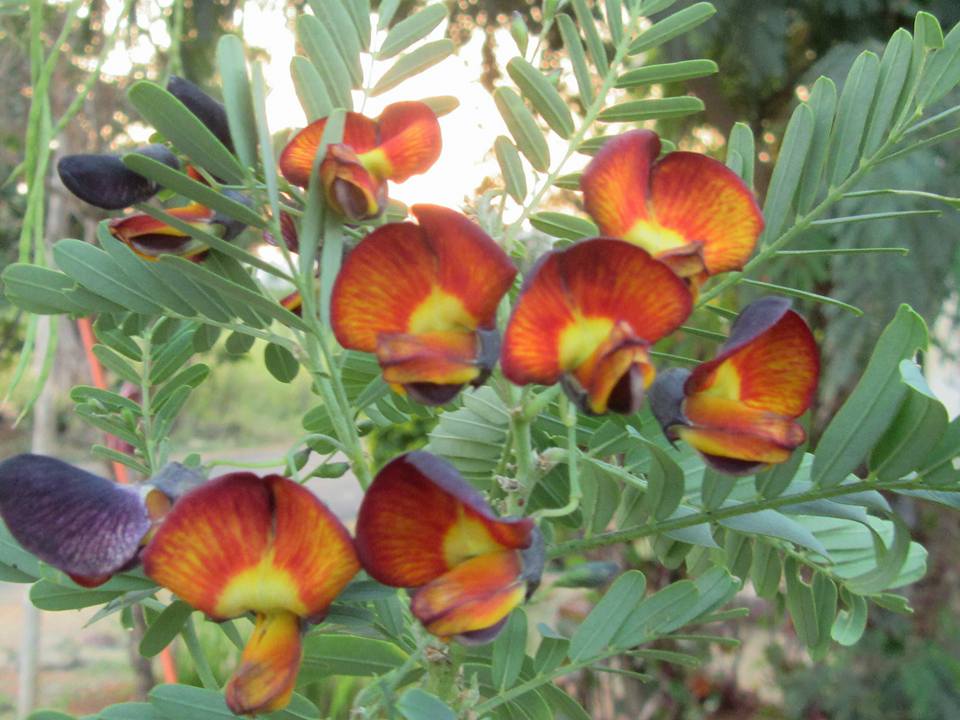
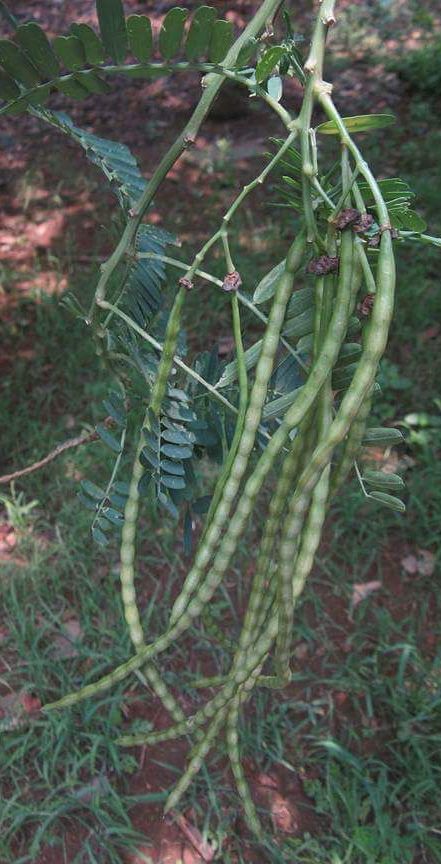
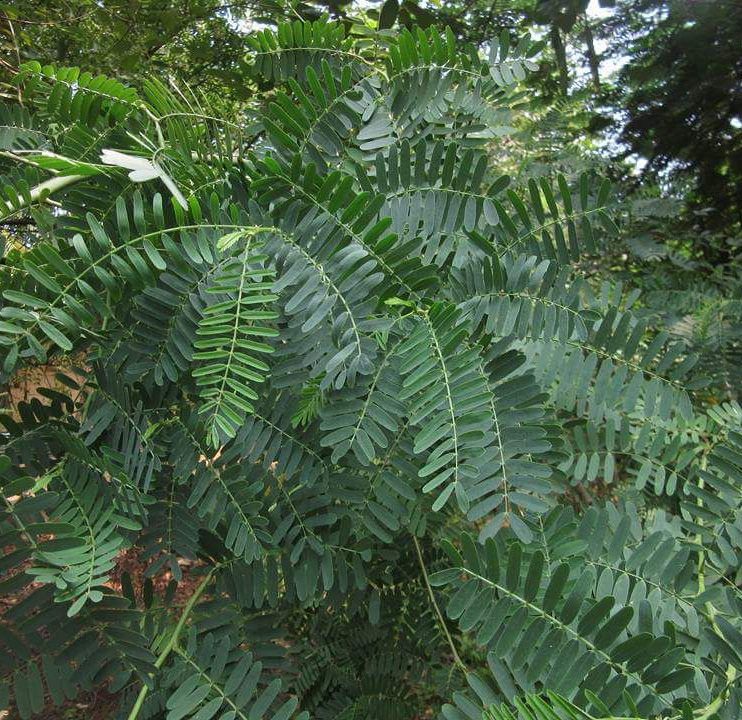
Morphology
This plant belongs to shimbi kula. The tree grows to a height of 2-3 mtrs.
Leaves resemble the leaves of Tamarindus indica. One leaf has 20.24 leaflets which have a bitter taste. The legume contains 20 to 25 small seeds.
Habitat : Originally from Africa. but now available in south India. Sri lanka and Sayam.
Chemical constituents:
cholesterol, campesterol , beta-sitosterol, cyanidin , delphinidin glucosides
Properties:
Guna : laghu ruksha;
Rasa: katu. tikta:
Vipaka : katu;
Virya ushna;
Prabhava : antidotal. antipyretic:
Dosha: kaphapittashamak. tridpshaghna.
External uses : Its application is useful as an analgesic and for wound cleansing. Also useful in hair fall and greying of hair. (It is said that it reduces scorpion poisoning by holding the fresh root in hand.)
Internal uses: Seeds are used in loss of appetite and diarrhoea. A vegetable recipe prepared from its leaves is useful in chronic rhinitis.
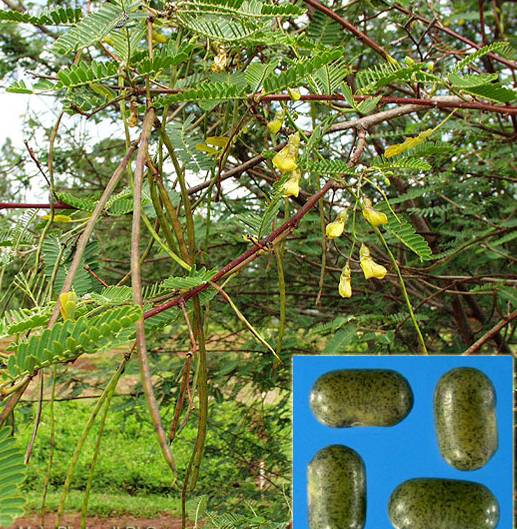
In leucoderma, root is used along with milk. Flowers mixed with jaggery and rice given for three days after menstruation acts as a contraceptive. But the seeds are emmenagogue. To prevent small pox, 20 – 25 seeds are crushed, and given with cows ghee. Parts used: Root, bark, leaves ,and flowers.
Dose: -2 to 6 gms.; juice – 10 to 20 gms.; decoction – 50 to 100 gms. The juice of the leaves is used in the purification processes of many metals.
Srotogamitva:
Dosha: Pittakaphaghna, tridosh
Dhatu: Rakta, meda (leucoderma), rasa (menstruation)
Mala: Mutra (dysuria).
Organ: Uterus (contraceptive).