Botanical Name: Sesamum indicum Linn.
Family: Pedaliaceae
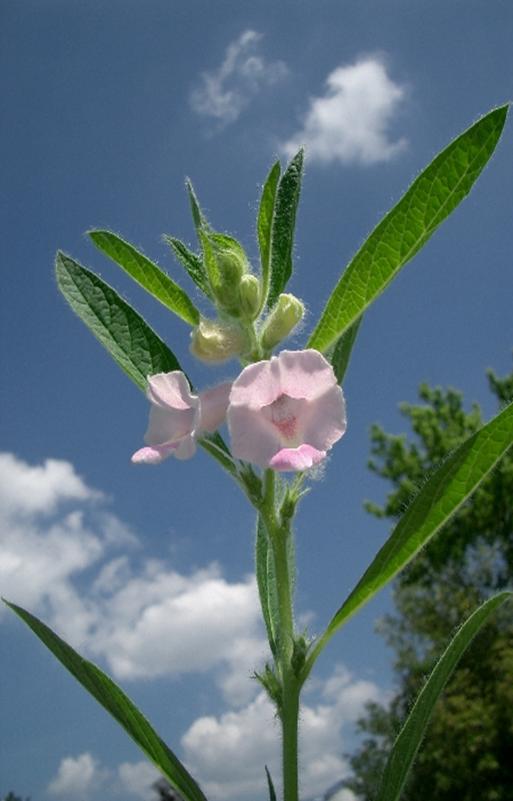
Introduction:
Latin name : Sesamum = from English name; indicum = Indian. English name Sesamurn.
Scientific classification: Sesame is the common name for the genusSesamum of the family Pedaliaceae. The name is applied especially to the species Sesamum indicum
Names in different Indian languages
| English | Sesame, Gingelly |
|---|---|
| Hindi | Til |
| Kannada | Ellu |
| Malayalam | Ellu |
| Sanskrit | Tilah |
| Tamil | Ellu |
| Telugu | Nuvvulu |
| Unani | Kunjad, Til. |
| Folk |
Synonyms
Tila, Snehphala, Homadhanya, Pavitra. Pitrutarpan, Papaghna. Pootadhanya. Jartil, Vanodbhav
Sesamum orientale Linn
Classification according to Charaka, Susrutha & Vagbhata
| Charaka | |
|---|---|
| Susrutha | |
| Vagbhata |
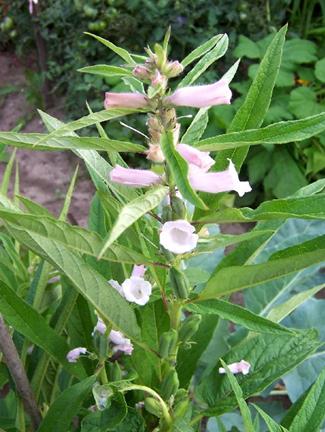
Varieties & adulterants – (CV – controversy, AD – adulterants)
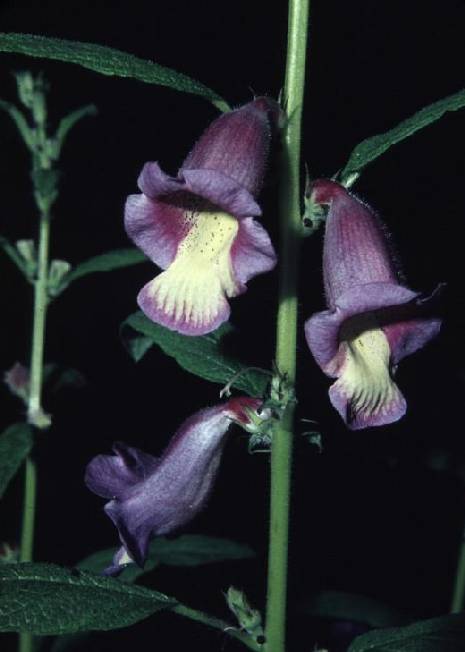
Morphology
Annual herb of 1 m. height. Stalk bears soft, tender hair. Leaves – 7-12 cm. long, flowers – tender, ciliated, bluish, whitish, brown or yellowish. Seeds. small, white, brownish or black. Depending on the colour of the seeds, it is of three varieties. White seeds yield more oil whereas the black variety is considered to be the best for medicinal use.
Distribution & Habitat
Cultivated
Chemical constituents:
Rich in protein, ; lignans, sesamin, nitrolactone, sesamolin.
Properties:
Guna: guru, snigdha;
Rasa : madhur;
Uprasa : kashaya, tikta;
Virya sheeta
Vipaka : madhur;
Dosha vatashamak, kaphapittaprakopak, tridoshaghna (after processing).
Karma –
Yogavahi, Balya, keshya,grahi, vikashi, vyvayi, soshana, balyam, deepana
carminative, digestive, astingent, diuretic, antimicrobial, antifungal, anthelmintic, antiviral, antipyretic, anti-inflammatory, hypoglycaemic
Srotogamitva:
Dosha : Vataghna, kaphapittavardhak.
Dhatu : Mansa, shukrã, meda, majja, asthi, rakta, rasayana.
Mala : Keshya, purisha (increasing the bulk), mutra (antidiuretic).
Indication:
Mutrakrichra, vrana, kusta, sula, vata roga, ruksha
skin disease, cough, piles, leucorrhoea, dysentery, gout, burning sensation, dyspepsia, cephalgia, amenorrhoea , dysmenorrhoea.
Part used:
Whole plant, seed oil
Dosage:
Leaf juice 10-15 ml
Powder 2-4 g
Decoction 50-100 ml
Oil used to prepare medicated taila.
Uses : Sesamum is an excellent snehan and analgesic and is very useful for wound healing, dental health, skin and hair, It is very useful in dry skin and body ache by acting as vatashaman. Its snigdha guna increases the oleation by overcoming dryness (Ch. sutra). In paralysis, oil is used for massaging and also internally. Local application of oil pack in the anal region reduces the pain of piles. Oil massage is used in fractures and wounds. Decoction of the roots and leaves is used for washing the hair which is helpful in hair growth and making them black and soft.
Tila is a brain tonic and is aphrodisiac. It is useful in dysmenorrhoea, diabetes and gum and teeth problems (seeds are given for chewing). It increases meda-mansa (weight). In bleeding piles, it is given along with butter. Also used in pyuria.
Among all the available oils, tila oil is considered to be the best for nourishing all the seven dhatus of the body. Therefore, it is useful as both food as well as medicine.