Botanical Name: Raphanus sativus Linn.
Family: Cruciferae; Brassicaceae
Introduction:
Cruciferaeae (petals make a cross.)
Latin name : Raphanus – radish-like, ra = quickly. phainomai = appear; sativus = cultivated. English name : Garden radish, Turnip.
Scientific classification: Radishes make up the genus Raphanus of the family Brassicaceae (formerly Cruciferae). The common garden radish is classified as Raphanus sativus
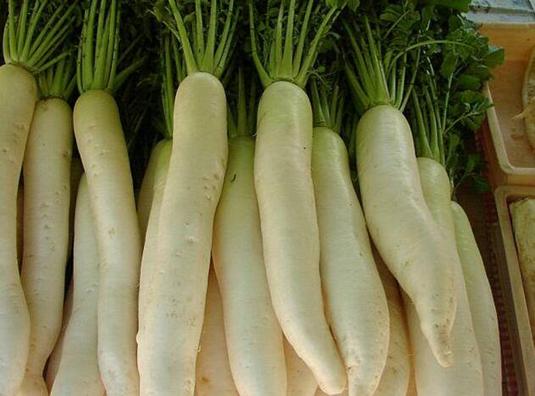
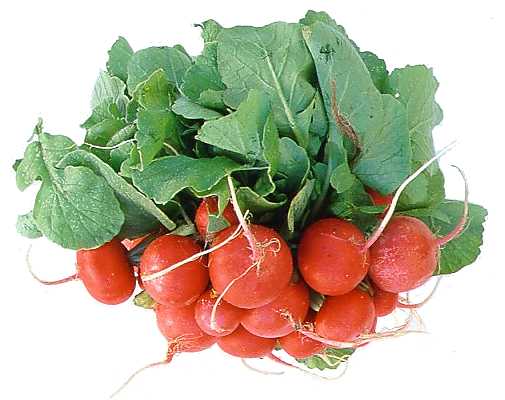
Radish, common name for any member of a genus of annual or biennial herbs of the mustard family, particularly the common garden radish. Radishes apparently originated in China. They are grown throughout the North Temperate Zone for their pungent root, commonly used as a relish. Varieties differ in size and shape, and range from white to red or yellow in color, depending somewhat on the growing season. Thus, spring radishes are small and round, whereas summer varieties are larger and more slender; both are usually eaten raw, but the still larger fall varieties are generally boiled. The Japanese large, white radish, called the daikon, may also be pickled or eaten raw.
Names in different Indian languages
| English | Radish |
|---|---|
| Hindi | Muli |
| Kannada | Mulangi |
| Malayalam | Mullanki |
| Sanskrit | Mulika, muli |
| Tamil | Mullangi |
| Telugu | Mullangi |
| Unani | Muuli, Turb Fajal |
| Folk |
Synonyms
Muulaka, Laghumuulaka, Muulakapotikaa, Visra, Hastidanta, Haritparna, Shaaleya, Marusambhava.
Pods: Sungraa, Singri, Mungraa
Classification according to Charaka, Susrutha & Vagbhata
| Charaka | |
|---|---|
| Susrutha | |
| Vagbhata |
Varieties & adulterants – (CV – controversy, AD – adulterants)
Varieties : 1) Chanakya mulak and 2) Nepal mulak
Morphology
Annual herb, condensed stem, tap root modified for food storage
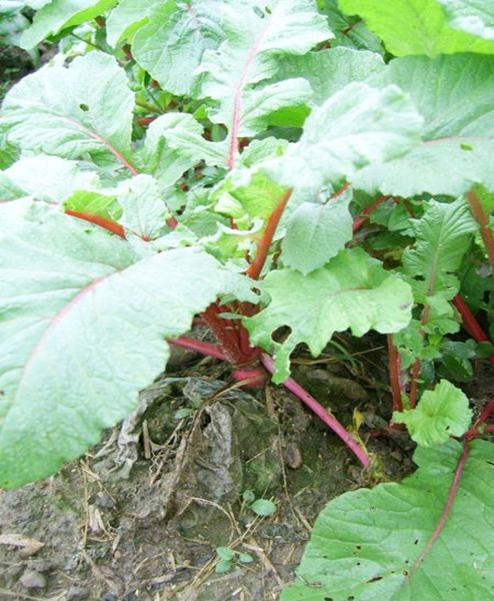
Leaves- long, pinnate, serrate
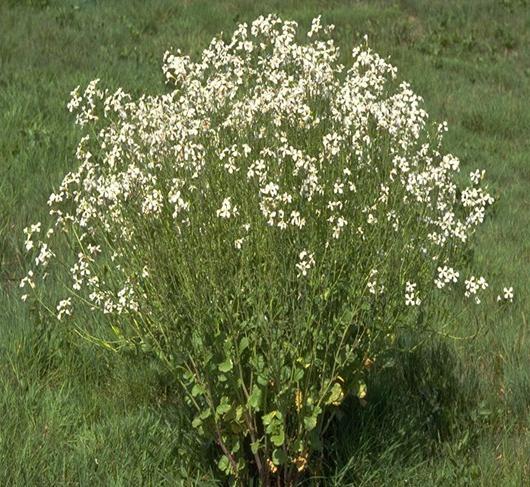
Flower – white
Fruit- pods
Distribution & Habitat
Cultivated
Chemical constituents:
pelargonidin diglycoside, cyaniding, diglycoside, methiin, steroidal sapogenins,sulphorophene
Properties:
Rasa : katu:
Guna;ladhu
Vipaka :katu;
Virya: ushna:
Karma –
diuretic, purgative, expectorant, liver tonic
Srotogamitva:
Dosha : Dry tridoshaghna. old – tridoshavardhak.
Dhatu : Rakta (liver, spleen): rasa (amenorrhoea)
Mala : Purishagami (antiflatulent), urine (calculi).
Organ : Liver and genital organs.
Flower
Dosha : Kaphapittaghna
Dhatu : Rakta.
Organs : Nose, larynx, eyes.
Indication:
Skin disease, visarpa, piles, hiccough, influenza, dysentery
Part used:
Tap root
Dosage:
Powder 2-4 g
Decoction 50-100 ml
Important Yogas or Formations:
moolakasava