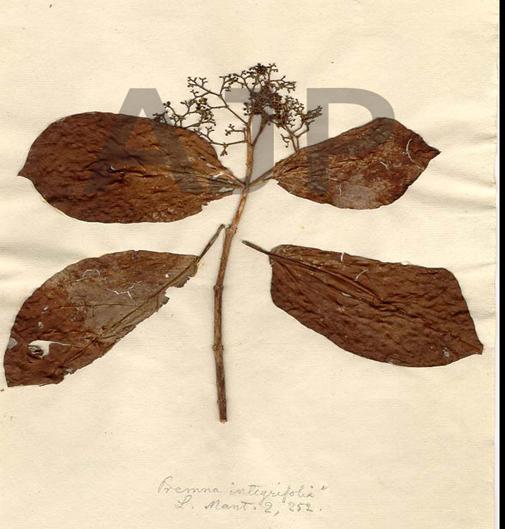
Botanical Name: Premna integrifolia Linn
Family: Verbenaceae
Introduction:
Agnimanta is a very important plant during Vedic period wherein its stem/sticks were used to produce fire. It is a plant considered essential for rituals also.
Names in different Indian languages
| English | Headache tree |
|---|---|
| Hindi | Arni, ageta |
| Kannada | Takkila |
| Malayalam | munjna |
| Sanskrit | Agnimantha (Kerala) |
| Tamil | Munnai |
| Telugu | padmaka |
| Unani | |
| Folk | Agethaa, Ganiyaari |
Synonyms
Shriparni, Jayee, Ganikaarikaa, Vaataghni, Arani, Ganakãrikã, Jaya, Tarkãri, i Vaijayantika
Premna obtusifolia R. Br
Premna corymbosa auct. non Rottl. & Willd.
Classification according to Charaka, Susrutha & Vagbhata
| Charaka | Sothahara, sitaprasamana, Anuväsanopaya |
|---|---|
| Susrutha | Viratarvãdi, Varunadi, Vatasamsamana |
| Vagbhata | Viratarvãdi, Varunadi, |
Varieties & adulterants – (CV – controversy, AD – adulterants)
1. Clerodendrum phiomidis – CV
2. Premna sp. – AD
Morphology
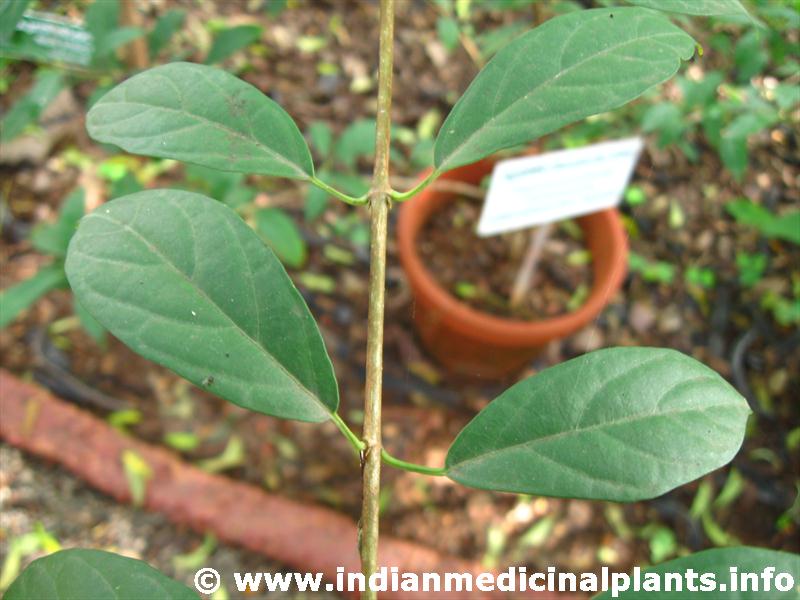
A large shrub or small tree large branches spinous usually.
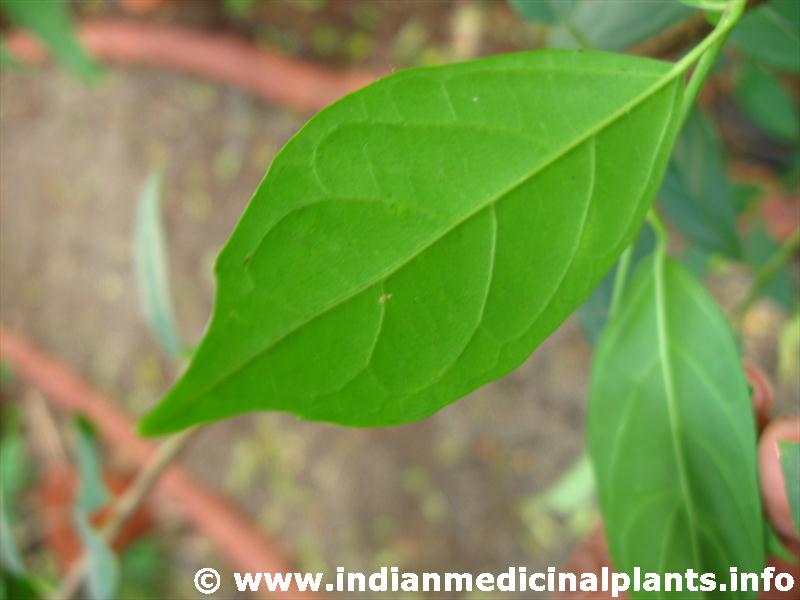
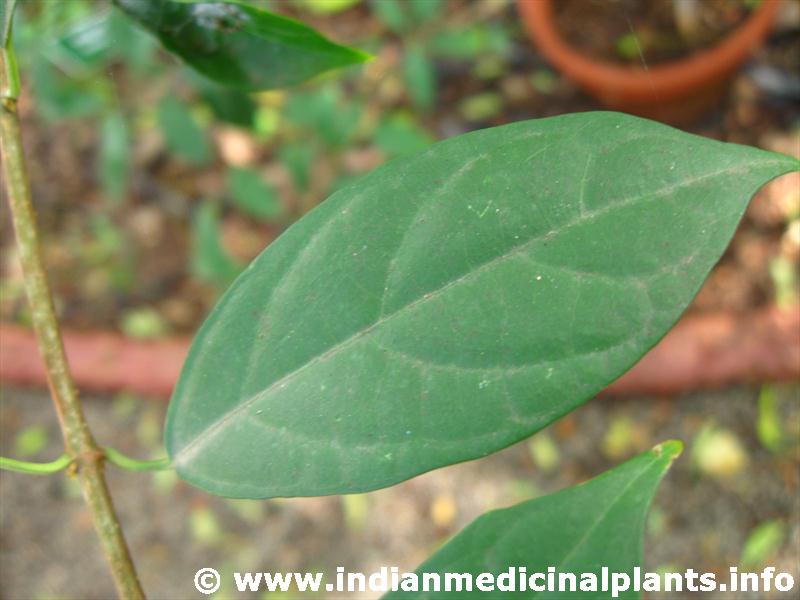
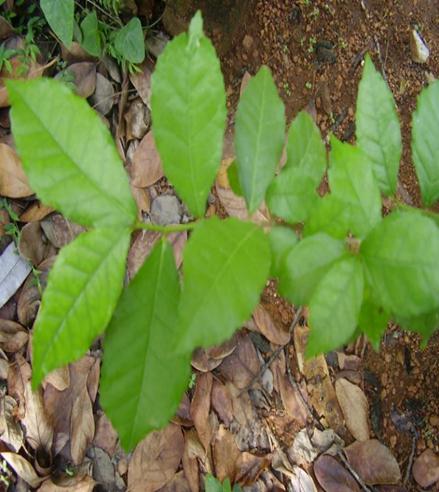
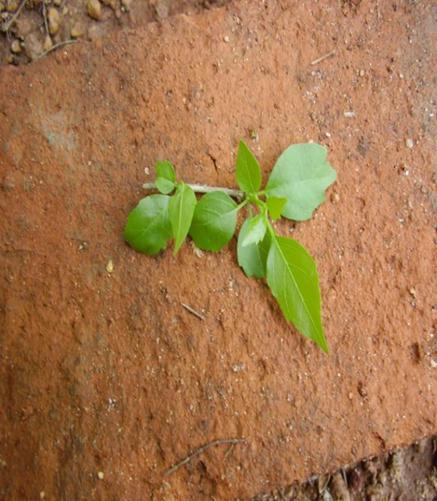
Leaves— simple, opposite, broadly oblong or ovate, entire or dentate.
Flowers— in dense corymbs, greenish white, with unpleasant smell.
Fruit— drupe. black coloured, globose.
Seeds— oblong.
Distribution & Habitat
All over India
Chemical constituents:
Premnazole, beta-sitosterol, luteolin (leaves): aphelandrine, premnine, betulin, ganiarine, ganikarine, caryophellen, premnenol, premnaspirodiene etc.
Properties:
Rasa Tikta, Katu,Kasaya, Madhura
Guna Rüksa, Laghu
Virya Usna
Vipãka Katu
Karma – Kapha-vata hara, sothahara, Dipana, pachana, kustahara, balya
Anti inflammatory, expectorant, digestive, carminative, useful in skin diseases, febrifuge, Carminative, galactagogue
Srotogamitva:
Dosha : Kaphakshayakarak, vatakshayakarak.
Dhatu : Rakta. medo (anaemia).
Mala : Digestive system.
Organs : Lung.
Indication:
Pãndu, meha, sitapitta, Udara, Kustha, Sthoulya
Rheumatism, fever, diabetes, colic, anorexia, asthma, neuralgia, haemorrhoids
Part used:
Bark, root, leaves
Dosage:
Leaf juice 10-15 ml
Powder 2-4 g
Decoction 50-100 ml
Internal uses:
Nervous system
Used in neuralgia , analgesic
Digestive system
Laxative , digestive
Circulatory system
Useful in bleeding disorder, vasodilator , blood purifier
Respiratory system
Alleviates kapha
Urinary system : It has effects on kapha, meda and urinary tract Therefore useful in urinary disorders. The decoction used in pyuria
Skin : Cures skin disorders. Pulp of its root is given orally in the treatment of urticaria. which has potential to check the pathogenesis of urticaria. The juice of leaves in a dose of 15 ml thrice a day is also useful in urticaria.
Satmikaran : Being a bitter tonic, the juice of leaves and decoction of bark are used in post pyrexial debility and is also useful in anaemia to enhance tissue vitality.
Important Yogas or Formations:
Agnimantha kashaya, Dashamoolaristha
Therapeutic Uses:
(1) meha— Agnimantha or simsipa decoction is useful
(S.S.Ci. 11).
(2) Sthoulya— Silajatu is to be given with Agnimantha svarasa
(C.S.Su. 21).
Descriptions on Ayurveda books / Nighandu:
1.
2
3
4
5
6
7