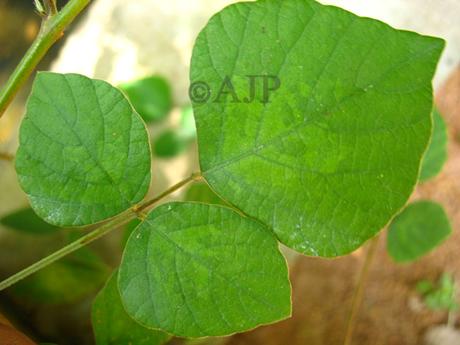
Botanical Name: Pseudarthria viscida Wt. & Arn.
Family: Papilionaceae; Fabaceae
Introduction:
In south India Pseudarthria viscid used as ‘salaparni, but in North Desmodium gangeticum used as salaparni.
Names in different Indian languages
| English | |
|---|---|
| Hindi | |
| Kannada | |
| Malayalam | Moovila |
| Sanskrit | Sanaparni, Shaalaparni |
| Tamil | Neermalli, kodi ottai, muvila |
| Telugu | Muyyakuponna |
| Unani | |
| Folk |
Synonyms
Triparni
Classification according to Charaka, Susrutha & Vagbhata
| Charaka | Angamardaprasamana, sothahara, Balya, Snehopaga, Madhura skandha |
|---|---|
| Susrutha | Vidarigañdhadi, Laghupancamula |
| Vagbhata | Varunadi |
Varieties & adulterants – (CV – controversy, AD – adulterants)
1. sãlaparni – Alakam, Pãlakam
2. Salaparni visea – Vota & Kusumbham – D. pulchellum
3.Desmodium polycarpum DC.,
4. Urarialagopoides DC.,
5.Uraria hamosa wall.,
6.Flemingia paniculata Wall.
7.Flemingia stricta Roxb.
8. In south India Pseudarthia viscida used as sala parni.
9. Guha & Atiguha
10 . Hedysarum gangeticum Linn.
11. Desmodium nudiflorum
Morphology
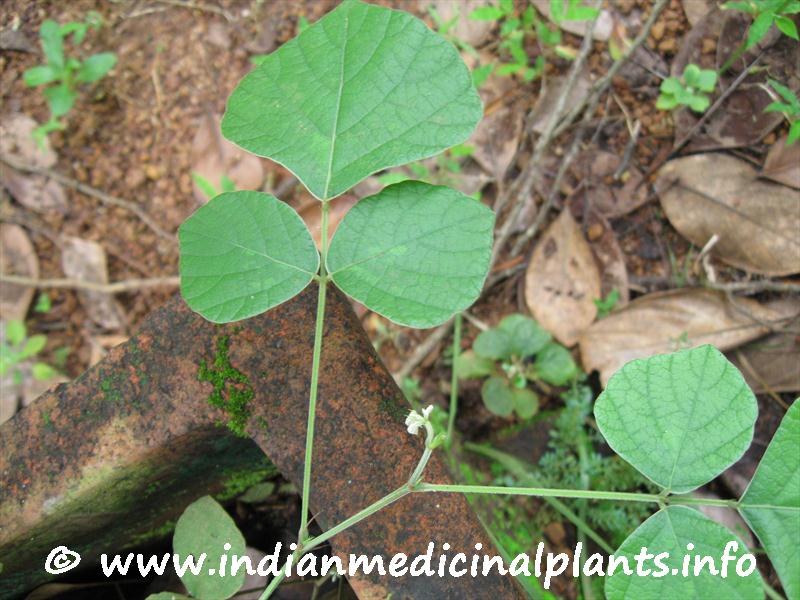
It is a semi erect under shrub, grows 40-60 cm height
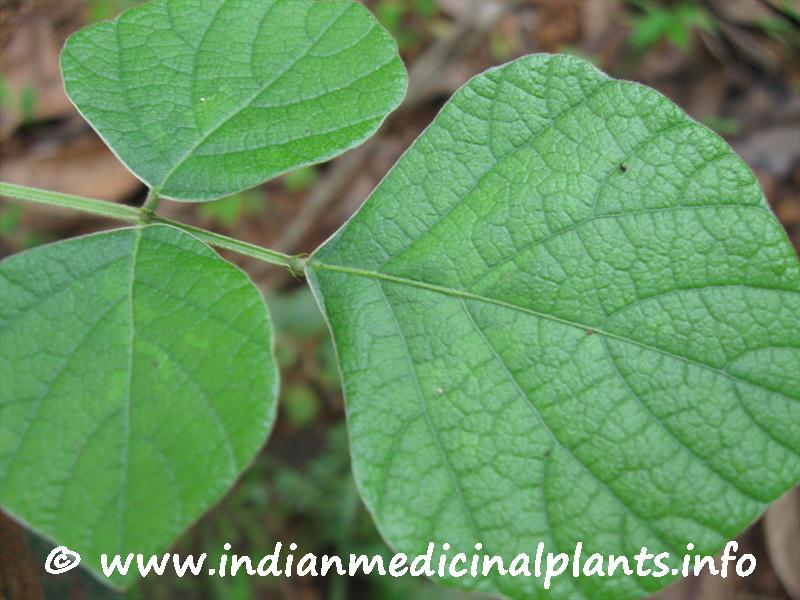
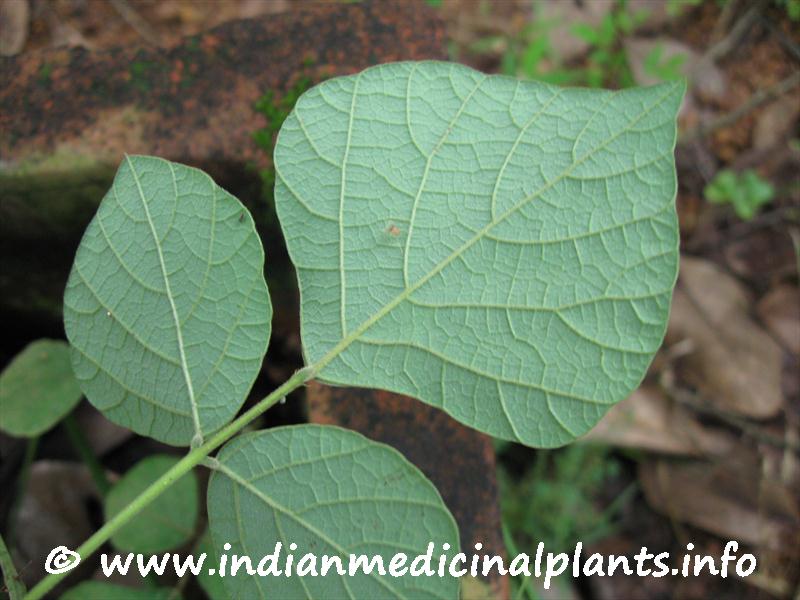
Leaves – compound, trifoliate, leaflets are ovate
Flower – purple
Fruit – pod
Distribution & Habitat
South India
Chemical constituents:
Leucopelargonidin,
Properties:
Rasa Madhura
Guna Laghu
Virya USNA
Vipaka Madhura
Karma – Balya, Vrsya, Rasãyana, swasa, jwara, atisara, rasayana, hridya
astringent, febrifuge, antirheumatic, nervine tonic, diuretic, cardiotonic , Antitoxic, anti-inflammatory
Srotogamitva:
Dosha : Vata, tridoshanashak.
Dhatu : Rasa (bodyache), rasayanee, mansa, meda, shukra .
Mala : Purisha, worms.
Organs : Heail, stomach (diseases originating in stomach, like vomitting).
Indication:
Arsas, Kãsa-svasa, Jvara, Atisãra, Chardi, Krimi, vataraktha
gout, diabetic, fever, vomiting, asthma, cough, inflammations, diarrhoea
Part used:
Whole plant
Dosage:
Leaf juice 10-15 ml
Powder 2-4 g
Decoction 50-100 ml
Internal uses:
Nervous system : nervine tonic, it is used in various vata heart disorders.
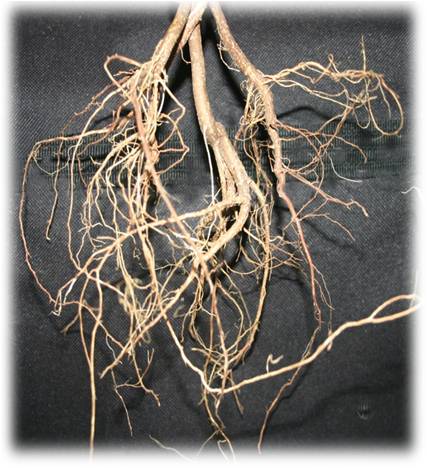
Digestive system : Deepana, pachan. snehan, anuloman, astringent. it is used in loss of appetite, koshthagata vata. haemorrhoids, diarrhoea and vomiting. It is also used as antihelminthiasis. Its root is used in vomiting.
Circulatory system : Useful for heart. anti-inflammatory and raktasthapan.
Respiratory system: Expectorant — so used in cough, urahakshata and rajayakshma (tubercuIosis. Its decoction is given in haemoptysis.
Reproductive system : It is an aphrodisiac. It improves semen quality.
Urinary system : As it is a diuretic, it is used in dysuria but it gives strength to the urinary system. it is used in diabetes
Important Yogas or Formations:
Shalparnyadi kwath, Dashamloolarishtam.
Therapeutic Uses:
(1) Ardkãvabhedaka– salaparni juice should be used for Nasya (G. N.) or applied locally (A.H.Ut.24).
(2) Hridgata vata— sãlaparni boiled with milk is useful
(3) Vãtarakta- alaparni and Prsniparni are pounded with milk and given orally (S.S.Ci.5).
Descriptions on Ayurveda books / Nighandu:
1.
2
3
4
5
6
7
8
9
10
11
12