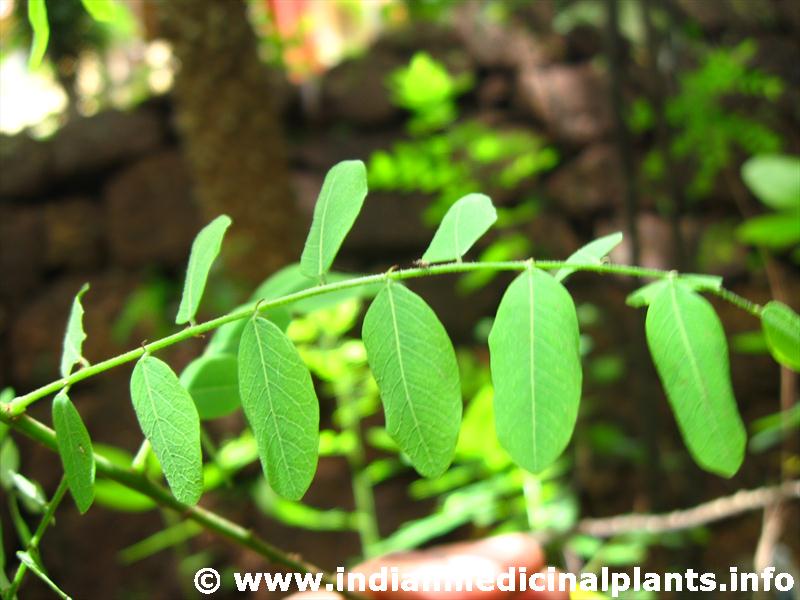
Botanical Name: Phyllanthus reticulates Poir
Family: Euphorbiaceae
Introduction:
In folk, fruit of the plant used for dressing the syphilitic sores. Deep violet –black colored dye in the fruit helps to heal.
Names in different Indian languages
| English | |
|---|---|
| Hindi | Pancoli, makhi |
| Kannada | Pulaveri, puttae |
| Malayalam | Niruri, niroli |
| Sanskrit | Pulika, krsna kamboji, kamboji |
| Tamil | Karinelli, kattukilanelli |
| Telugu | pulaguvva |
| Unani | |
| Folk | Panjuli |
Synonyms
Kirganelia reticulata (Poir) Baill.
Classification according to Charaka, Susrutha & Vagbhata
| Charaka | |
|---|---|
| Susrutha | |
| Vagbhata |
Varieties & adulterants – (CV – controversy, AD – adulterants)
Morphology
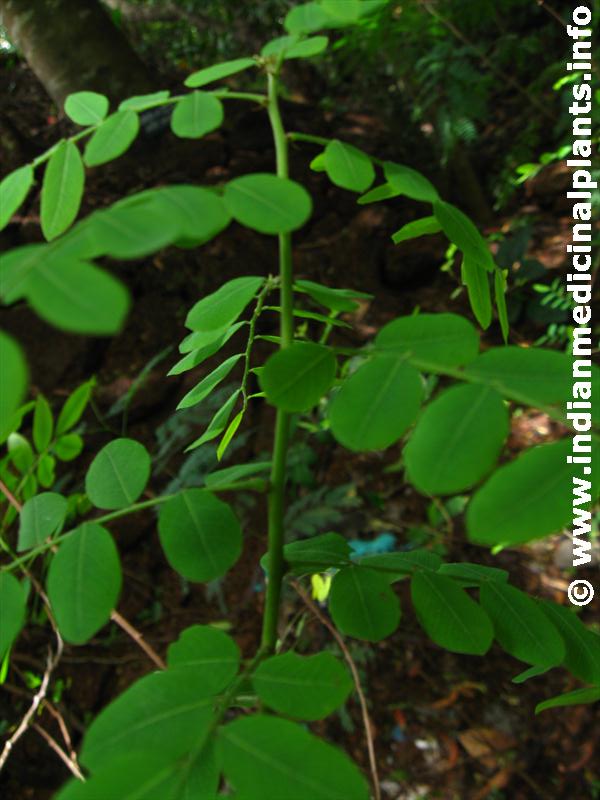
It is shrub grows up to 2-3 m height
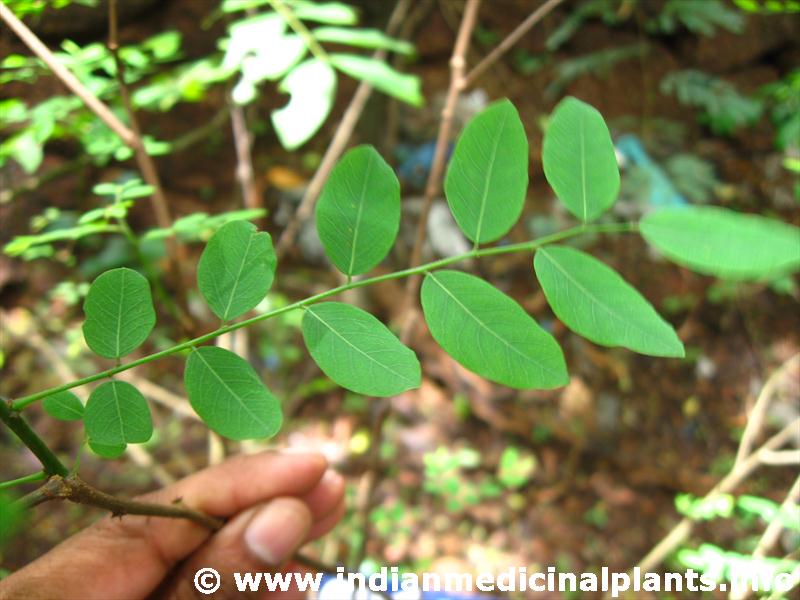
Leaves – compound, leaflets –eliptic
Flower – greenish white
Fruit –globose, berry
Distribution & Habitat
All over India
Chemical constituents:
beta-sitosterol, friedelin, glochidonol, betulinic acid. Betulin, glochidonol, friedelin, octacosanol, taraxeryl acetate, taraxerone
Karma –
spasmolytic, hypotensive, antiviral, astringent, antidiarrhoeal, diuretic, hair tonic
Indication:
Sores, burns, ulcers, obesity, skin disease
Part used:
Whole plant
Dosage:
Leaf juice 10-15 ml
Powder 2-4 g
Decoction 50-100 ml