Botanical Name: Parmelia perlata (Huds.) Ach.
Family: Parmeliaceae
Introduction:
Latin name: Parmelia = shield: perlata = very broad.
Names in different Indian languages
| English | Stone flower |
|---|---|
| Hindi | Cadila, pathar ka phul |
| Kannada | Kalluhuvu |
| Malayalam | Cheleyam, kalpuvu |
| Sanskrit | Shaileya, silapushpa |
| Tamil | Marappasi, kalpasi, kalpu |
| Telugu | Ratipuvvu |
| Unani | Charelaa |
| Folk |
Synonyms
Shaileya, Shaileyaka, Shilaapushpa, Shilaadaaru, Shailaka, Shilodbhava, Shaila, Shailpushpa. Kaalaanu-saarthaka, Bhuri-charilla, Sthavira, Vrddha, Shitashiva.
Classification according to Charaka, Susrutha & Vagbhata
| Charaka | |
|---|---|
| Susrutha | |
| Vagbhata |
Varieties & adulterants – (CV – controversy, AD – adulterants)
Pandanus Canaranus
Morphology
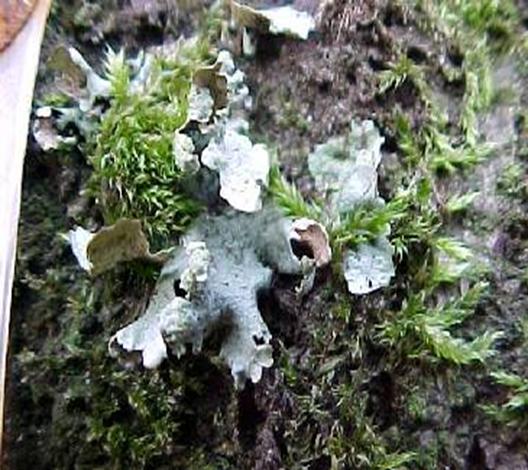
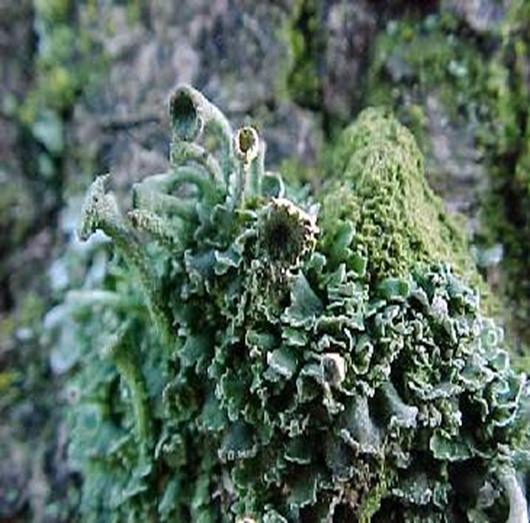
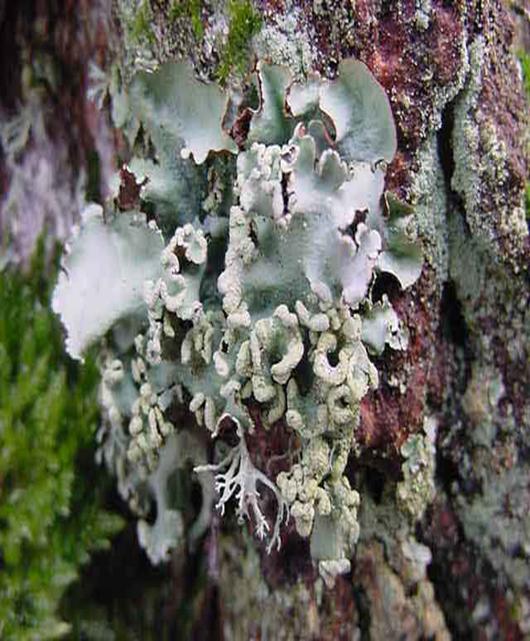
A small lichen growing on old trees, house walls and stone mines. Outer trunk is greenish black but internally it is white. On uprooting the whole plant. it appears like a fruit which emits a typical smell. Only fresh and fragrant flowers are used in medicine.
Distribution & Habitat
Throughout India
Chemical constituents:
lecanoric acid, atranorin, usnic acid
Properties:
Guna: Laghu, snigdha;
Rasa: tikta, kashaya:
Vipaka: katu;
Virya: sheeta:
Karma –
Raktadoshaharam, ruchyam, hridyam
Cardiotonic, Astringent, resolvent, diuretic, improves skin health
Srotogamitva:
Dosha: Kaphaghna, pittahgna.
Dhatu: Meda. rakta (bleeding disorders),
Mala: Mutra
Indication:
Asmiri, vataroga, kusta, daha, visha
gout, burning sensation, dyspepsia, cephalgia
Part used:
Whole plant
Dosage:
Leaf juice 10-15 ml
Powder 2-4 g
Decoction 50-100 ml
uses:
External use: Anti-inflammatory, relieves itching and pain. It is used in wounds, headache, itching’ and skin disorders in the form of paste. Warm paste is applied on the back, hip and lower abdomen region in renal failure to ad as a diuretic.
Internal use: Its action as an appetizer and astringent makes it useful in the conditions like thirst, loss of appetite., diarrhoea and dysentery. Its volatile property acts as an antiflatulent. it is also useful in cardiac debility, blood disorders and bronchitis.