Botanical Name: Michelia champaca Linn.
Family: Magnoliaceae
Introduction:
Latin name: Michelia = after an Italian botanist; champak = from the Indian name.
There is a believe about this plant, when this plant reaches the height of house/ home (planted near to home ), a person dies in that house. So people usually in Kerala will not take risk about that, so they cut the upper part of the tree. ( :P )
Names in different Indian languages
| English | Champak, Golden Champa. |
|---|---|
| Hindi | Champa, Champaka |
| Kannada | sampige |
| Malayalam | Champakam, Chempakam |
| Sanskrit | Champakah |
| Tamil | Sampagi |
| Telugu | Champangi, Champangipuvvu |
| Unani | |
| Folk |
Synonyms
Champaka, Svarna Champaka, Hemapushpa, Chaampeya
Classification according to Charaka, Susrutha & Vagbhata
| Charaka | |
|---|---|
| Susrutha | |
| Vagbhata |
Varieties & adulterants – (CV – controversy, AD – adulterants)
Morphology
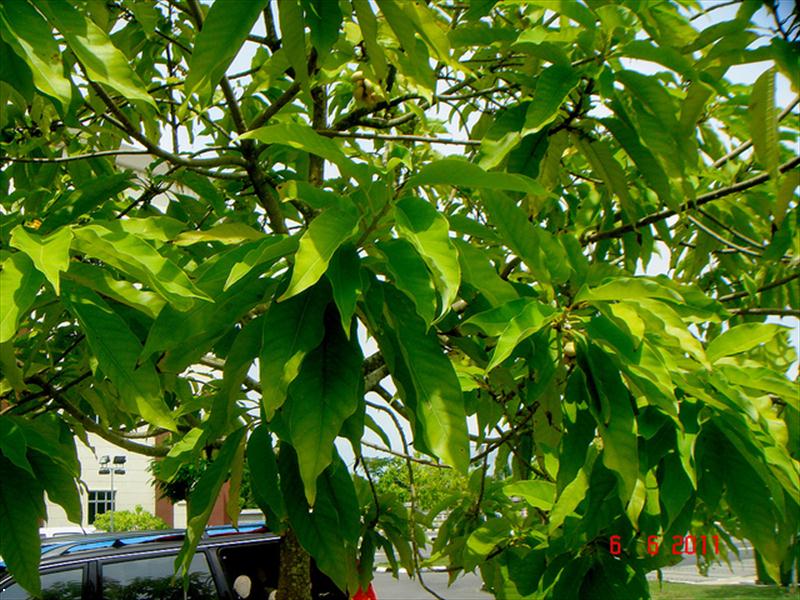
An evergreen tree grows up to 8-12 m height.
Leaves – simple, alternate, lanceolate-oblong, glabrous above
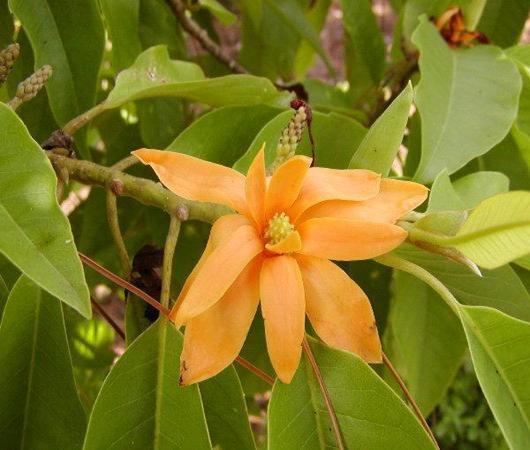
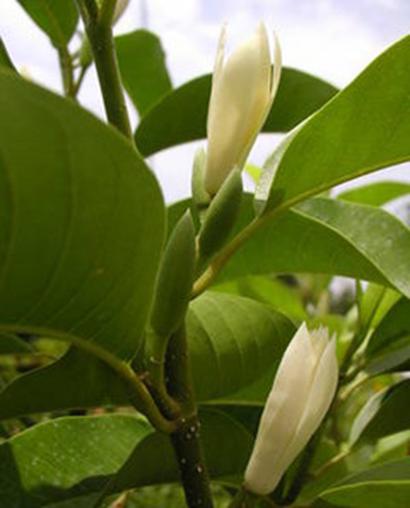
Flower – yellowish orange, white, solitary, axillary, fragrant
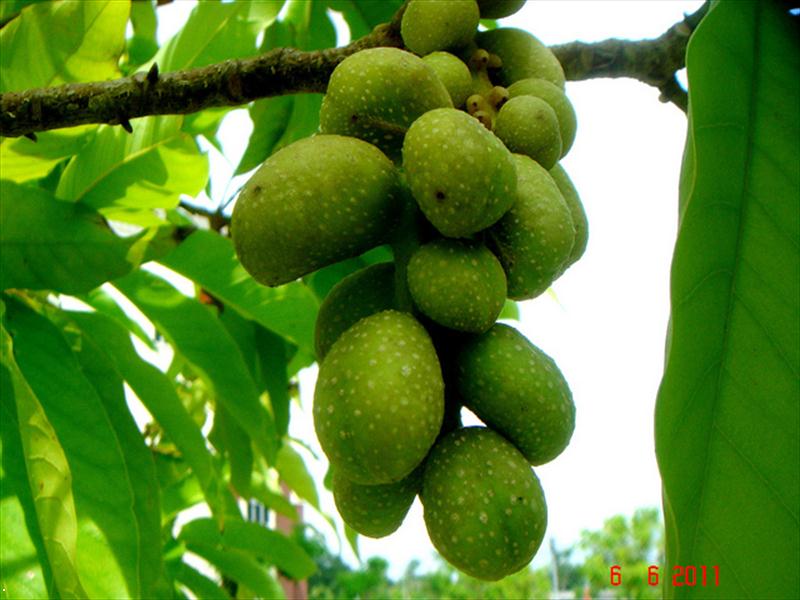
Fruit – achene
Distribution & Habitat
Throughout India
Chemical constituents:
Liriodenine, sesquiterpene lactones, andmicheliolide, polyisoprenoid, beta-sitostero
Properties:
Guna: laghu, ruksha, tikshna;
Rasa: katu, kashaya, madhur;
Vipaka: katu;
Virya: sheeta:
Karma –
Hridya, sugandi vahaka, kushtaghna, vrana hara, rakta pittaghnam, chaksusyam, vrishyam, visadam
bitter, carminative, antispasmodic, demulcent, antiemetic, diuretic , antipyretic, purgative, emmenagogue
Srotogamitva:
Dosha: Kapha pittaghna vataghna
Dhatu: Rakta (bleeding disorders) gout
Mala: Mutra (dysuria) anthelmintic
Organ: Head.
Indication:
Kandu, kusta, visha, rakta dosham, mutra krichram , daha
cephalalgia, gout ,rheumatism, head ache
Part used:
Whole plant
Dosage:
Leaf juice 10-15 ml
Powder 2-4 g
Decoction 50-100 ml
Uses: Local application of flowers is done in headache and burning. Internally it is soothing. hemostatic and antipyretic. The bark is used as a preventive in malarial fever. Flowers are used in dysuria and pyuria.