Botanical Name: Lepidium sativum Linn
Family: Curciferace, Brassicaceae.
Introduction:
It is very much useful in intestinal worm infections.
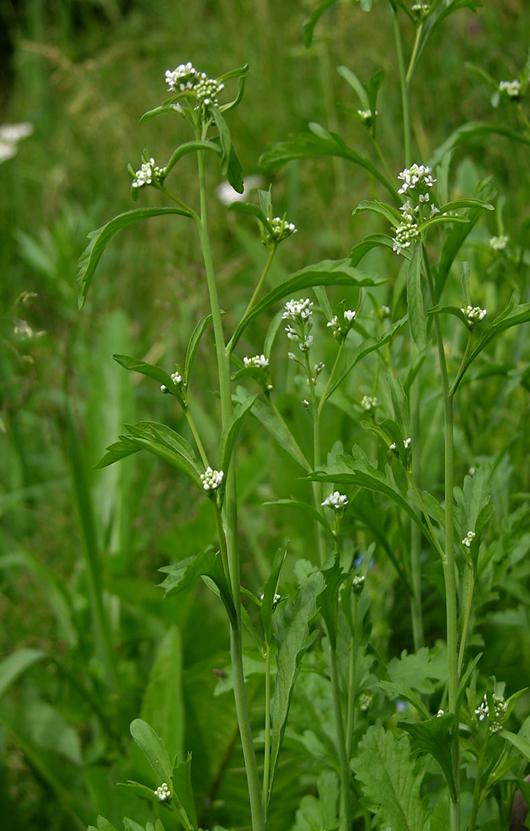
Names in different Indian languages
| English | Garden Cress,Water Cress |
|---|---|
| Hindi | Chandrashuur, halim |
| Kannada | Alavibija |
| Malayalam | Asali |
| Sanskrit | Chandrashuura , Asalika |
| Tamil | Alivirai |
| Telugu | Aditya |
| Unani | Habb-ul-rashaad, Tukh-e- Taratezak, Haalim, Sipandaan. |
| Folk |
Synonyms
Chandrashuura, Chandrikaa, Vaas-pushpaa, Pashumehankaarikaa, Nandini, Suvaasaraa, Aashaalim.
Classification according to Charaka, Susrutha & Vagbhata
| Charaka | |
|---|---|
| Susrutha | |
| Vagbhata |
Varieties & adulterants – (CV – controversy, AD – adulterants)
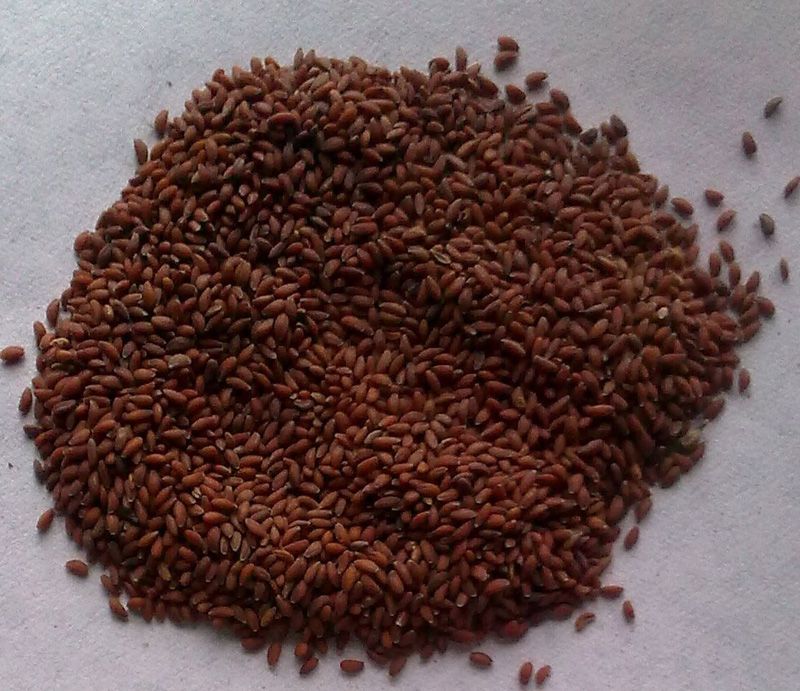
The plant belongs to rajika kula. It bears thorns and small legumes which contain minute seeds. The seeds, when dipped in water, form a viscous gel.
Varities : There are three varieties depending on the colour of the seeds – 1) white 2) red and3) yellow. The last variety is considered to be the best.
Morphology
An annual her grows 30-40 cm height
Leaves – entire, pinnatisect
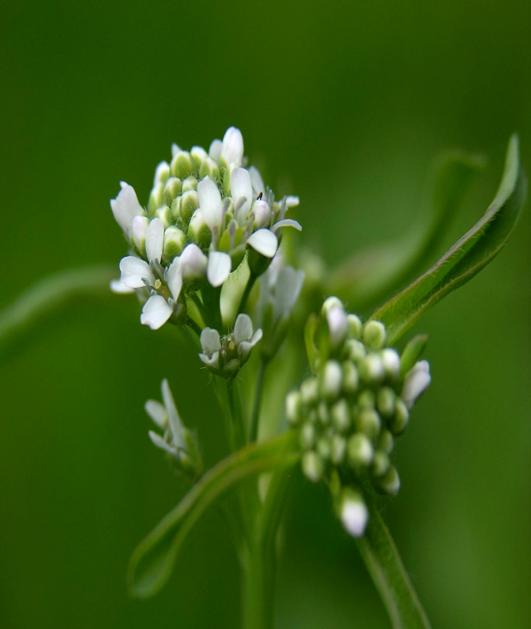
Flower – white, racemes.
Fruit – small pod
Distribution & Habitat
Native to West Asia; cultivated throughout India as a salad plant.
Chemical constituents:
glucotropaeolin, sinapin ,sinapic acid
Properties:
Guna : guru, snigdha, picchila;
Rasa : madhur, tikta;
Vipaka : madhur;
Virya : ushn
Karma –
Balyam, stanya pushti, vajikaranam
lactagogue, diuretic, emmenagogue
Srotogamitva:
Dosha : Tridoshaghni.
Dhatu : Shukra, mansa, medogami.
Organ : Reproductive system.
Indication:
Vata gulmam, netraroga, krimi, abigata ruja,
ever, skin disease, cough, piles, leucorrhoea,vomiting, dysentery, gout, burning sensation
Part used:
Seed, leaves
Dosage:
Leaf juice 10-15 ml
Powder 2-4 g
Decoction 50-100 ml
uses:
External uses : Seeds are irritant to the skin. They reduce swelling.
Internal uses : It is useful-as an aphrodisiac, rejuvenating agent and a rasayana.
Important Yogas or Formations:
Chandrasuradi kashya and churna