Botanical Name: Linum usitatissimum Linn.
Family: Linaceae
Introduction:
Latin name : Linum Gk. – linon flax (for weaving, oil for painting); usitaitissimum = common customary.
Names in different Indian languages
| English | Linseed, Flax |
|---|---|
| Hindi | Alsi, tisi |
| Kannada | Alasibija |
| Malayalam | Akasi, ceruchana, kayavu |
| Sanskrit | Atasi |
| Tamil | Ali, Virai, Sirrali |
| Telugu | Avisi |
| Unani | Kattan |
| Folk |
Synonyms
Atasi, Pichchita, Devi, Medagandha, Madothata, Uma, Hshuma. Hemavati, Rudraneela, Masruna, Suvalkala
Classification according to Charaka, Susrutha & Vagbhata
| Charaka | |
|---|---|
| Susrutha | |
| Vagbhata |
Varieties & adulterants – (CV – controversy, AD – adulterants)
Morphology
This is a herb attaining height of 1 to 1.25 meter.
Leaves —long, narrow.
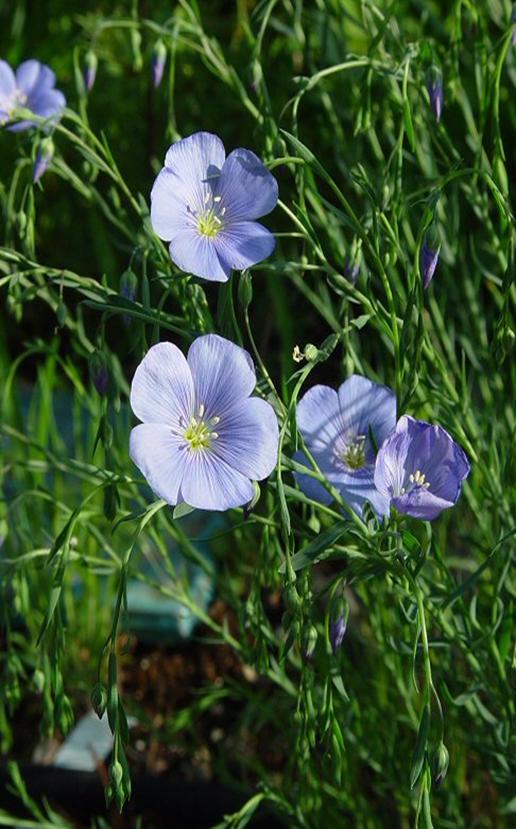
Flowers — blue.
Fruits — circular in shape with shallow seeds. Depending on the colour of seeds
it is subdivided into 4 types, (1) white (2) yellow (3) red and (4) black.
Distribution & Habitat
Cultivated
Chemical constituents:
chlorogenic acid, palmitic, stearic, oleic, linoleic acids, amino acids, sugars, mucilage
Properties:
Guna guru, snigdha
Rasa madhur, tikta:
Vipaka katu,
Veerya ushna;
Karma –
Vrana hara, sophaghna, kapha pitta prakopani
demulcent, emollient,laxative, antilipidemic, nervine
Srotogamitva:
Dosha Vataghna. pittavardhak, kaphavardhak.
Dhatu Rakta (asthma, cough etc diseases of the lungs), shukra (seeds — avirilizing)
Organs Eyes — oil not useful for eyes, intestines.
Indication:
Kasa, vrana, vata roga, sukla dosha
chronic constipation, irritable bowel syndrome, diverticular disease
Part used:
Whole plant , seed oil
Dosage:
Leaf juice 10-15 ml
Powder 2-4 g
Decoction 50-100 ml
uses:
External uses The poultice of the flour of atasi is used to assimilate inflammation. This external application of atasi is used in deeper inflammation also. The external application of its oil i.e. abhyanga is vatanashak, A mixture of lime water and oil of atasi 1s very useful in burns.
Internal uses
Digestive system Fried atasi seeds are astringent
and reduce intestinal motility. Oil is a purgative. Flowers are cardio tonic.
Respiratory system The decoction of the seeds of atasi is useful in cough, pleuritis, pneumonia and whooping cough in children. It works as an expectorant.
Urinary system Hot infusion is useful in cystitis.Seeds are not virilizing