Botanical Name: Ichnocarpus frutescens R. Br.
Family: Apocynaceae.
Introduction:
This plant considered as Krishna sariva, ayurvedic properties are similar. Two varieties of Sãriva are known white (sveta) and black (Krsna) varieties. Root possessing wonderful aroma.
Names in different Indian languages
| English | Black Creeper |
|---|---|
| Hindi | Kalidudhi, dudhi |
| Kannada | Kappunamaadaberu |
| Malayalam | Parvalli, palvalli |
| Sanskrit | Krishna sariva, palindi |
| Tamil | Udarkkoti, parvali |
| Telugu | Nallatiga , Karunannari, Makalikilanzhu. |
| Unani | |
| Folk | Kaalisar, Karantaa |
Synonyms
Gopavalli, Krishna-muuli, Shyaamalataa.
Classification according to Charaka, Susrutha & Vagbhata
| Charaka | |
|---|---|
| Susrutha | Sãrivadi, |
| Vagbhata | Sãrivadi, |
Varieties & adulterants – (CV – controversy, AD – adulterants)
1.Sveta Sãrivã— Hemedismus indicus R. Br.
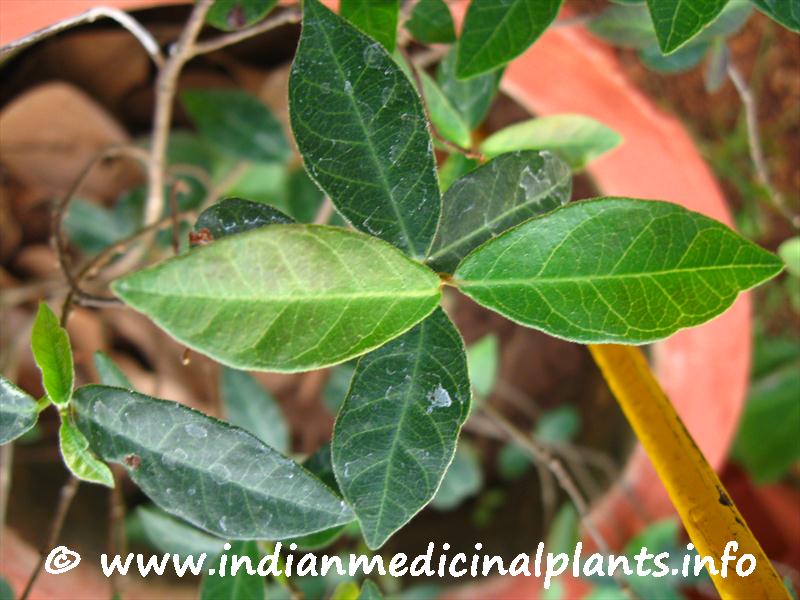
2.Krsna Särivã— Ichnocarpus frutescens R. Br.
3. Cryptolepis buchanani
4. Decalepis hamiltonii
5.gopa
6.Gopavalli
Morphology
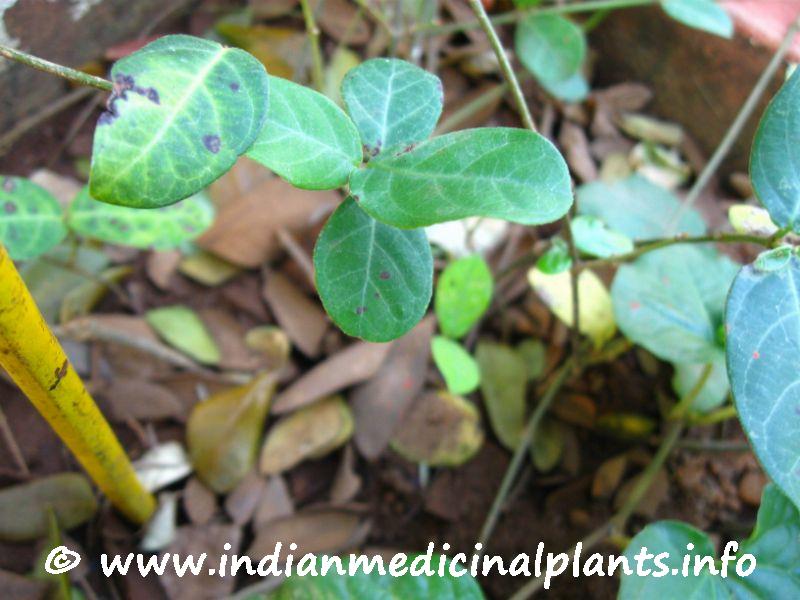
A climbing shrub with rusty-tomentose branches.
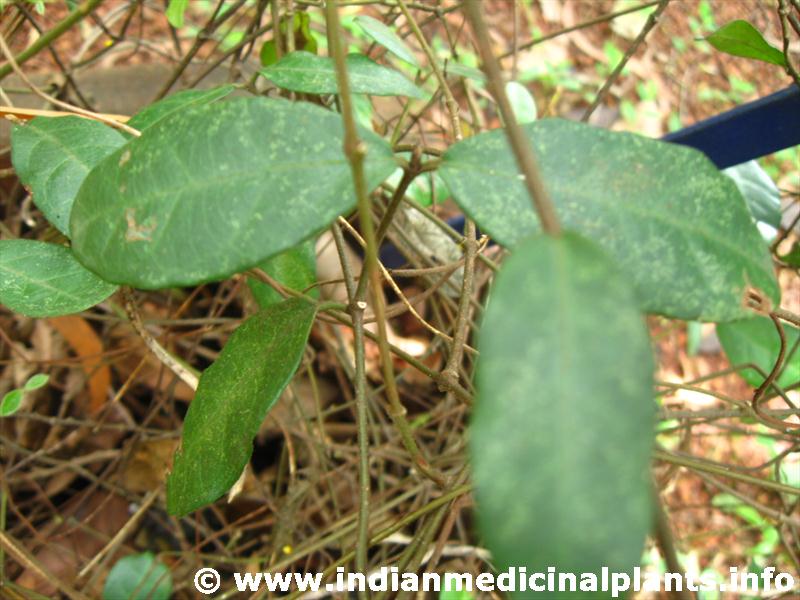
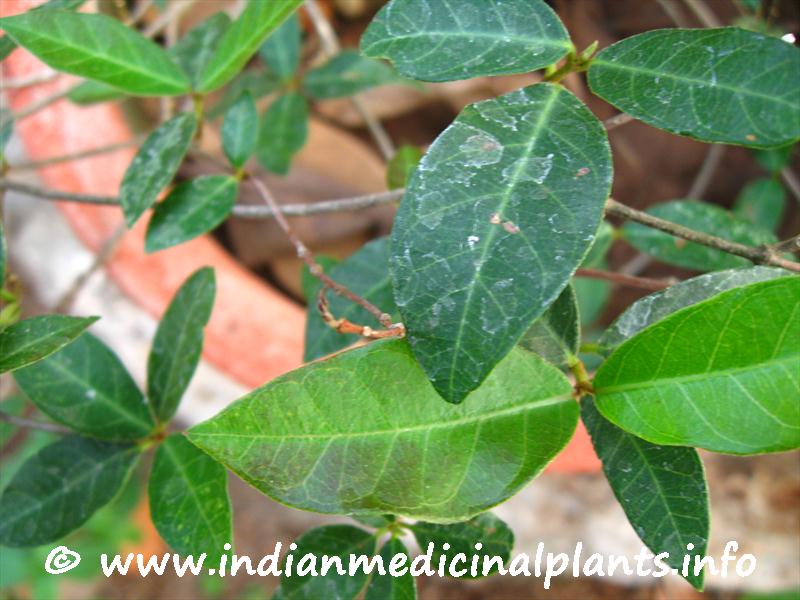
Leaves— variable, opposite, elliptic-oblong or lanceolate, tomentose beneath, glabrous above.
Flowers— Purple, minute, in long terminal and axillary paciculate cymes.
Fruits— follicles, slender, cylindrical, curved.
Distribution & Habitat
All over India, mainly Bengal, Bihar, Maharashtra, Kerala and Sri lanka.
Chemical constituents:
n-butyl sorboside, kaempferol and its glucoside.
Properties:
Rasa Madhura, Tikta
Guna Guru, Snigdha
Virya Sita
Vipãka Madhura
Karma – Tridosahara, Grãhi, kustaghna
Srotogamitva:
Dosha : Tridoshaghni.
Dhatu : Shukra (aphrodisiac), rakta (skin disorders), rasa (fever), meda (meha), rasayani – rasa, purifies lactation.
Mala: Purisha (diarrhoea), mutra (diuretic), sweda (diaphoretic).
Indication:
Jvara, Kandü, Prameha, Kãsa, svãsa, Pradara, Aruci,Agnimandya, Atisãra.
Astringent,emollient, anthelmintic, alterant, demulcent, diaphoretic, burning sensation,skin disease, asthma, bronchitis, diarrhoea, epileptic fits,syphilis, abscess, arthralgia, fever, laxative, hepatopathy, neuropathy, cerebropathy,odontalgia, conjunctivitis etc.
Part used:
root
Dosage:
Infusion 50-100 ml, paste 5-10 g., powder 3-5 g
External uses : Anti-inflammatory, soothing, so used in burning sensation and inflammation. Juice is used in conjunctivitis.
Internal uses: –
Digestive system : Being appetizer, digestive and laxative, it is used in the treatment of loss, of appetite, diarrhea, dysentery and mainly in malena.
Circulatory system : It is a blood purifier and anti-inflammatory. Sariva is the best medicine for blood disorders, gout, soft chancre, secondary stage of syphilis. chronic rheumatoid arthritis, filariasis and cervical lymphadenitis.
Respiratory system : Being kaphaghna it is used in cough and asthma.
Reproductive system : Purifies breast milk, helps in conception. Decoction of sariva roots taken in pregnancy improves the complexion of the new born. It is useful in menorrhagia. leucorrhoea and abortion. It improves mobility of sperm. It cures lactating disorders.
Urinary system : It is a diuretic, increases urination by 2 to 4 times without affecting the kidneys. So used in dysuria and pittaja prameha.
Skin: Used in skin diseases, erysipelas, impetigo etc. and is used in blood and skin related disorders.
Temperature : Antipyretic and refrigerant (used in pittaja jwara and burning sensation) Hot infusion is given in raktagatajwara.
Important Yogas or Formations:
Sarivadi vati, Sarivadyavaleha, Sarivadyasav. Pinda taila, Saribadyasava, Mahatiktakaghrta, Pippalyadi ghrta, Amrta ghrta.
Therapeutic Uses:
(1) Vrana— Sãrivã root is claimed to be useful for cleansing
all types of wound (V.M.).
(2)Visama Jvara— Decoction of Patola, Sãrivã, Mustã, Pathã
and Katuki is useful (C.S.Ci. 3).
(3) Kustha— Brhati, Usira, Patola, Sãrivã and Katuki is to be
given for internal and external use (C.S.Ci. 7/128)
(4). it prevents abortions and miscarriages caused by syphilis and it should be continued during pregnancy to improve the complexion of the new born. (Aushdhi sangràha, Dr. W.G. Desai). It acts better with guduchi.