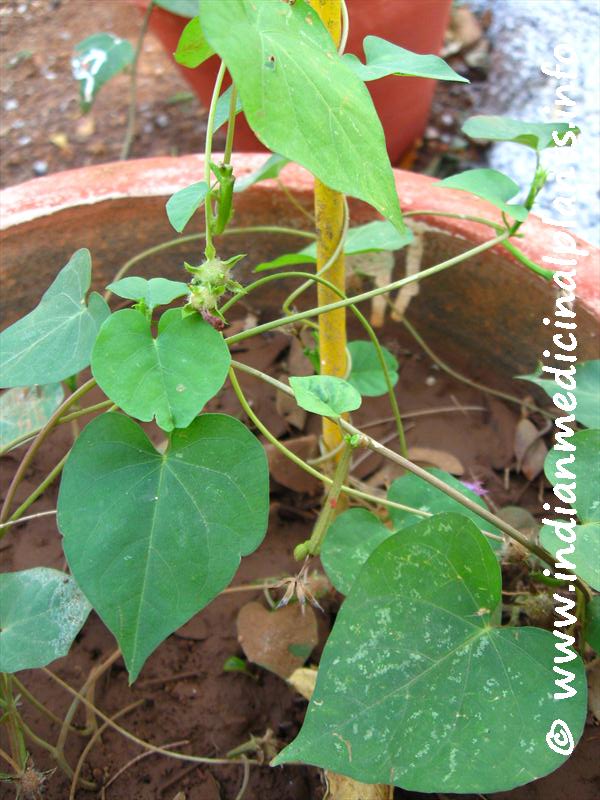
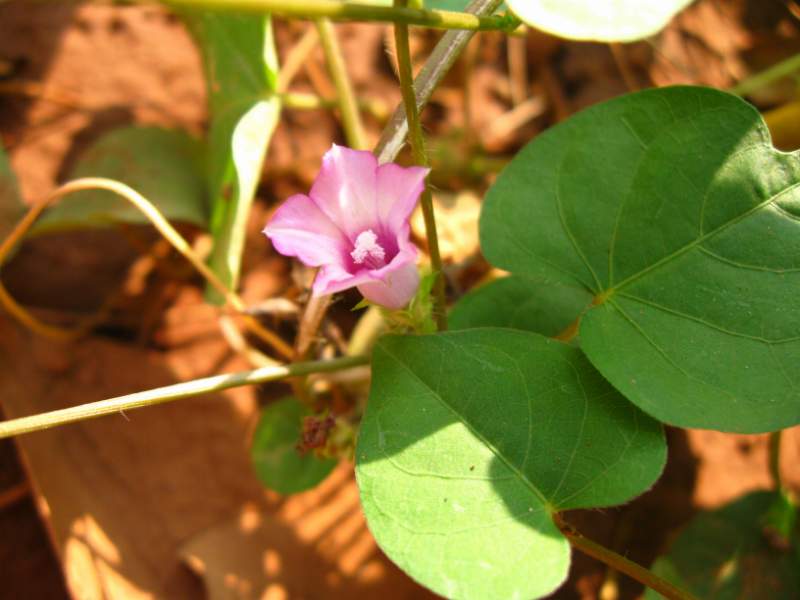
Botanical Name: Ipomoea sepiaria Koen. ex Roxb.
Family: Convolvulaceae
Introduction:
It used to remove excess of oil and dirt from hair.
Names in different Indian languages
| English | |
|---|---|
| Hindi | Bankalmi |
| Kannada | Lakshmana |
| Malayalam | Tirutali |
| Sanskrit | Lakshmanaa |
| Tamil | Thaalikeerai |
| Telugu | lakshmana |
| Unani | |
| Folk |
Synonyms
Ipomoea maxima (Linn. f.) G. Don
Classification according to Charaka, Susrutha & Vagbhata
| Charaka | |
|---|---|
| Susrutha | |
| Vagbhata |
Varieties & adulterants – (CV – controversy, AD – adulterants)
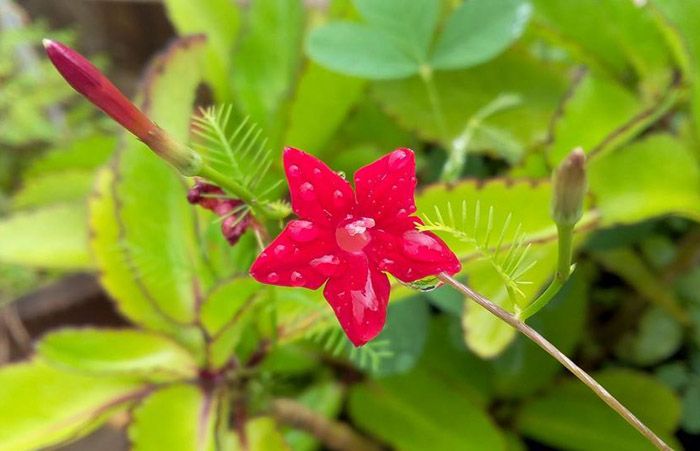
Ipomoea quamocliti
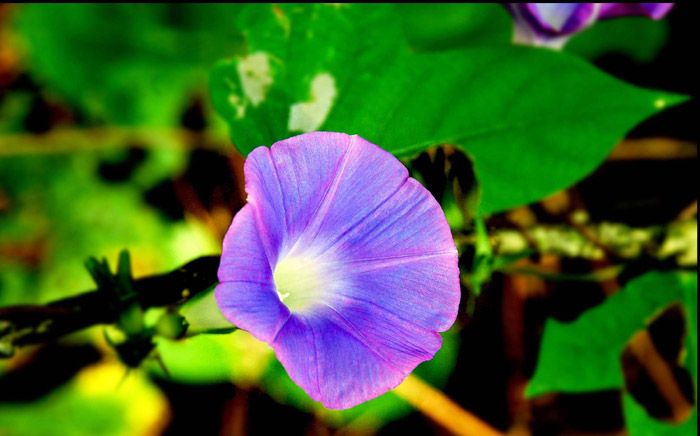
Ipomoea nil
Ipomoea alba
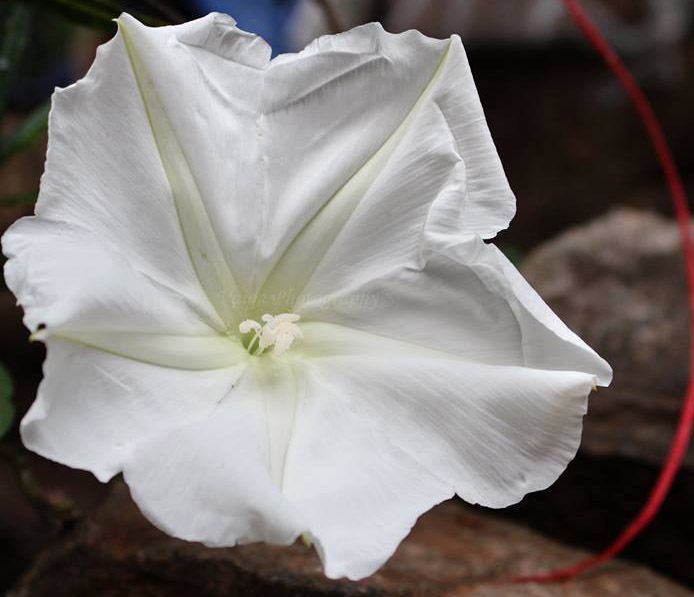
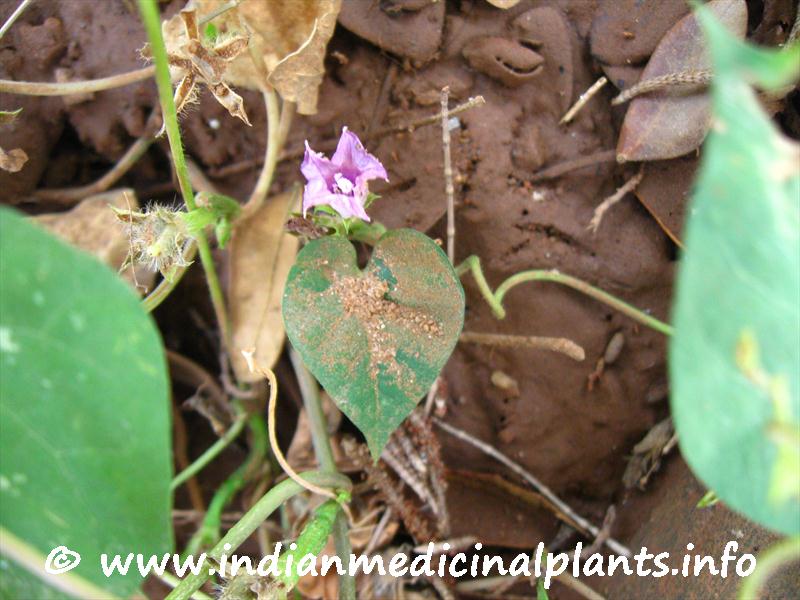
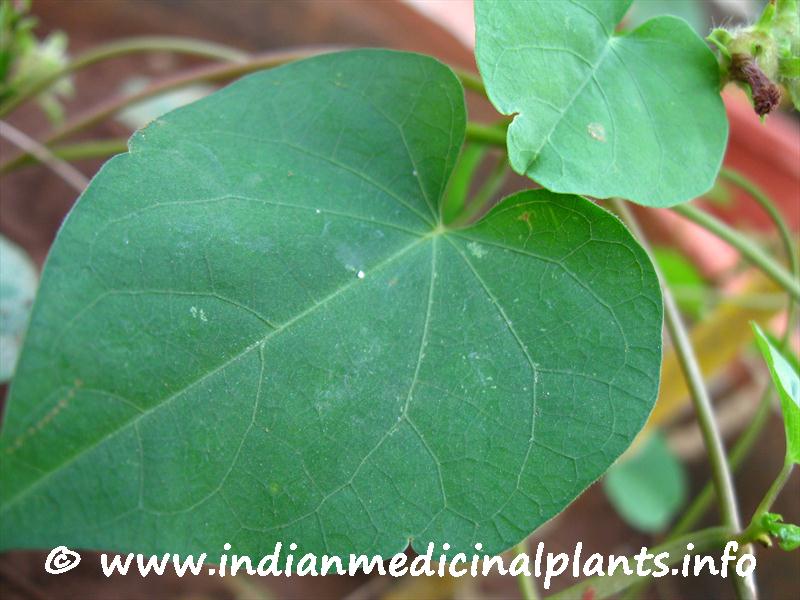
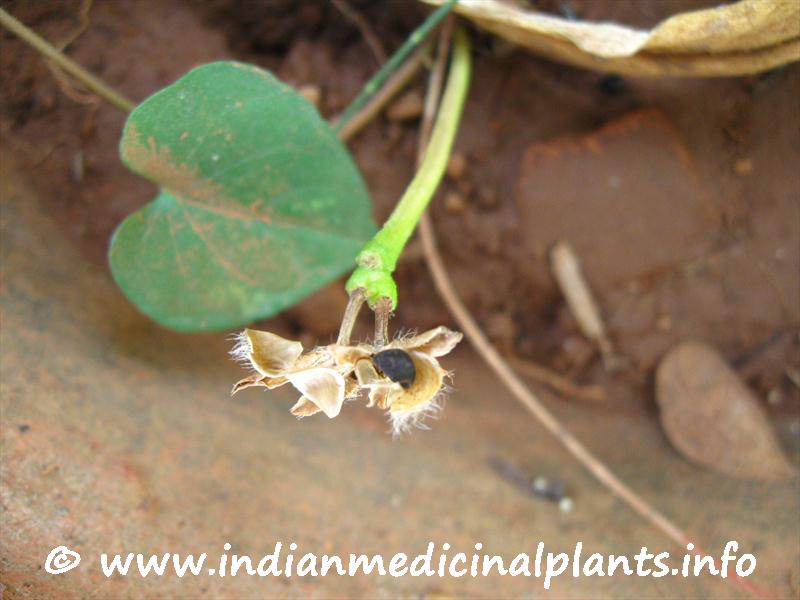
Morphology
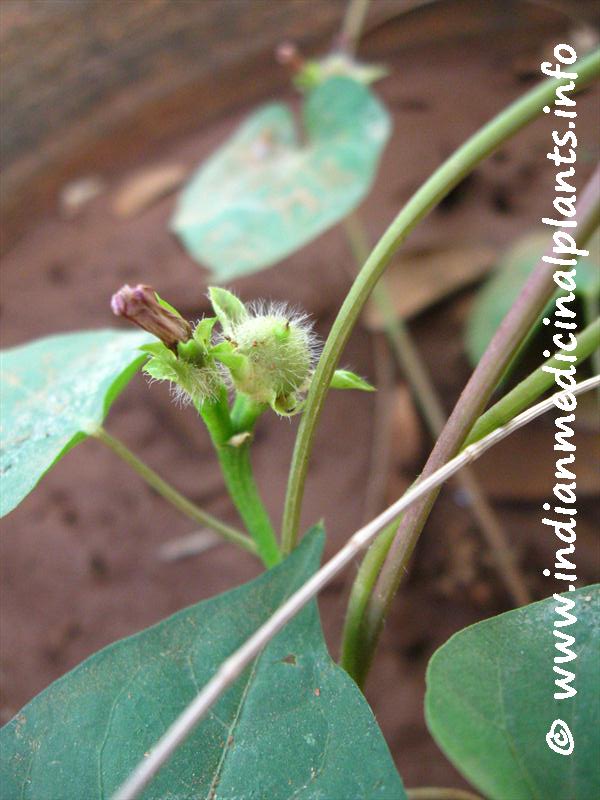
A creeping perennial plant
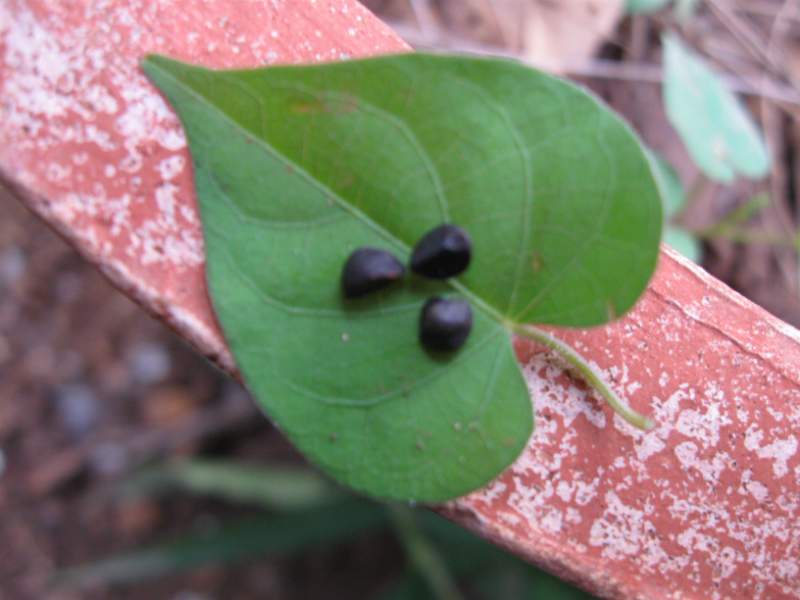
Leaves – simple,alternate, ovate
Flower – pinkish
Fruit – capsule
Distribution & Habitat
All over India mainly as weed
Chemical constituents:
hydrocyanic acid
Properties:
RASA- madhura
GUNA–guru
VIRYA-sita
VIPAKA-madhura
Karma – putrajanani, vrisya, bala, garba prasada, rasayana
deobstruent, diuretic, hypotensive, uterine tonic, antidote to arsenic poisoning, laxative
Srotogamitva:
Dosha : kapha vata haram
Dhatu : rasa, sukra
Mala :purisha
Organ : reproductive organs
Indication:
Constipation, general debility, sterility in women.
Part used:
Tuber
Dosage:
2-4 g
Therapeutic Uses:
Whole plant in milk act as uterine tonic
Descriptions on Ayurveda books / Nighandu:
1.
2
3
4
5