Botanical Name: Ziziphus oenoplia Mill.
Family: Rhamnaceae
Introduction:
Its properties similar to Zizipus jujube Lam.
Names in different Indian languages
| English | Jackal Jujube. |
|---|---|
| Hindi | Makkay |
| Kannada | Pargi, barige, karisurimullu, harasurali |
| Malayalam | Tutali, ceriyalanta, tutari |
| Sanskrit | karkandhuh |
| Tamil | Suraimullu, surai ilantai, Soorai |
| Telugu | Paraki, paragi, paringi |
| Unani | |
| Folk |
Synonyms
Laghu-badara, Shrgaalabadari.
Rhamnus oenoplia L
Classification according to Charaka, Susrutha & Vagbhata
| Charaka | |
|---|---|
| Susrutha | |
| Vagbhata |
Varieties & adulterants – (CV – controversy, AD – adulterants)
Morphology
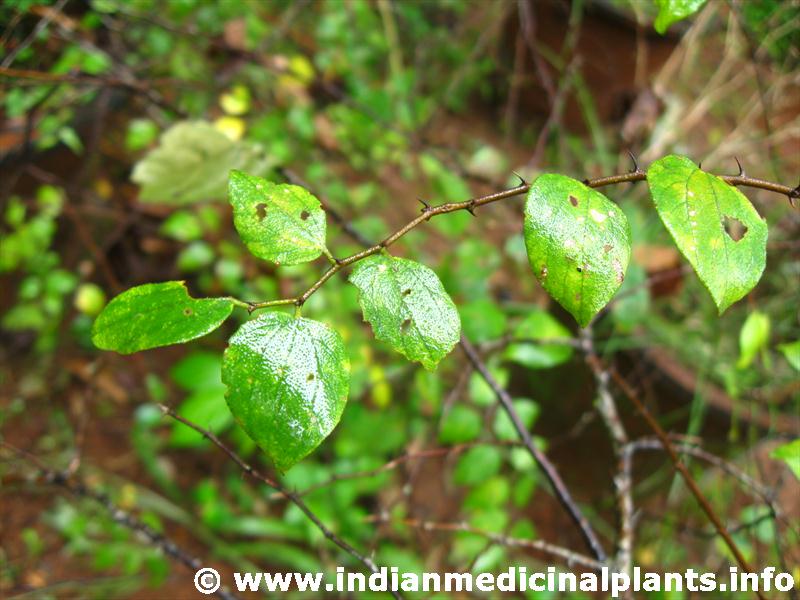
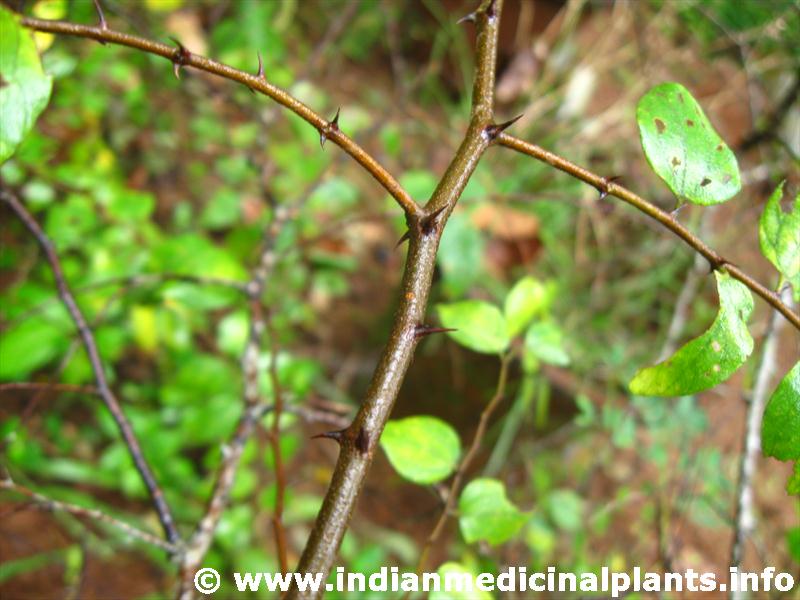
A thorny shrub, with strong heartwood ,
Leaves – simple, alternate, ovate , 3 prominent nerves.
Flower –greenish yellow. Axillary cymes
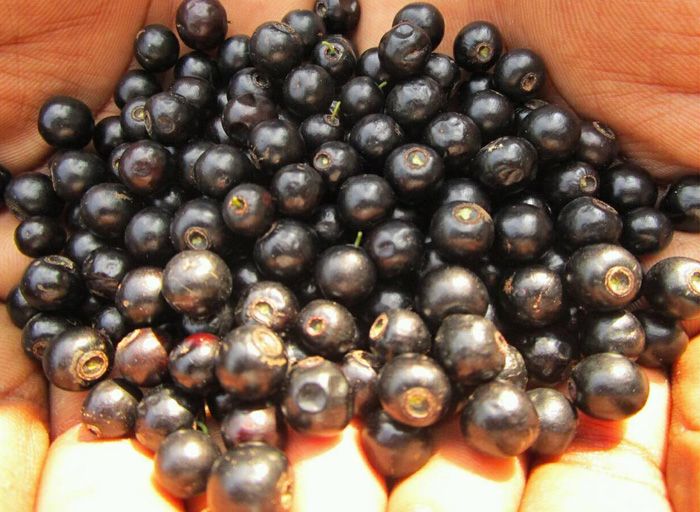
Fruit -drupe
Distribution & Habitat
All over India, waste lands
Chemical constituents:
zizyphines A, B, C, D, E, F and G, and zizyphinine.
Properties:
Rasa : madhur, kashaya (according to Raja nigandu Madura,amla)
Guna : guru, snigdha
Veerya : sheeta;
Vipaka : madhur,
Karma –ptha sleshma prakopana, bramhanam
astringent, cooling, stomachic, mild laxative, expectorant, antidiarrhoeal, , astringent , purgative
Srotogamitva:
Dosha : Vata-pitta-Kaphanissarak.
Dhatu Shukra (aphrodisiac), rasa – rakta (reduces burning sensation in fever ), snayu (hoarseness of voice), meda (ikshumeha).
Mala : Purisha (strong purgative).
Organ : Uterus
Indication:
Pradaram, Kusta, chardi
skin disease, vomiting, ulcers, cough, asthma, diarrhea, leucorrhoea, hyperacidity
Part used:
Whole plant
Dosage:
Leaf juice 10-15 ml
Powder 2-4 g
Decoction 50-100 ml
Therapeutic Uses:
1. Fruits useful in constipation.
Descriptions on Ayurveda books / Nighandu:
1
2
3