Botanical Name: Ziziphus jujube (Lam.) Gaertn. non-Mill.
Family: Rhamnaceae
Introduction:
Jujubes make up the genus Zizyphus, of the family Rhamnaceae. The common jujube, or Chinese date, is classified as Zizyphus jujuba, the Indian jujube as Zizyphus mauritiana, and the lotus tree as Zizyphus lotus.
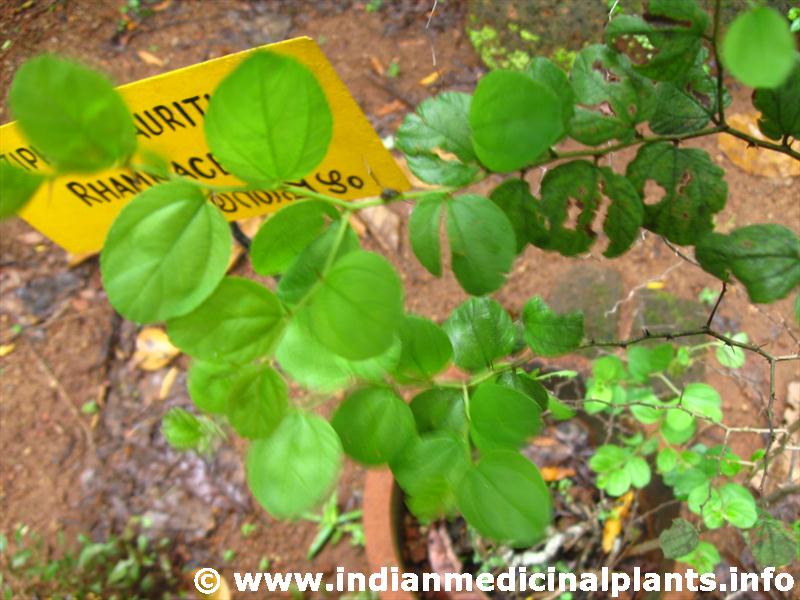
Names in different Indian languages
| English | Indian Jujube, Common Jujube, Chinese date |
|---|---|
| Hindi | Ber, beri |
| Kannada | Bore, yalaci, elanji |
| Malayalam | Ilantha, lantappalam, peruntutali, elantha |
| Sanskrit | Badarah, Kola |
| Tamil | Ilantai, kolah, koli |
| Telugu | Gangaregu, regu |
| Unani | Ber |
| Folk |
Synonyms
Ziziphus mauritiana Lam.
Rhamnus jujuba L.
Classification according to Charaka, Susrutha & Vagbhata
| Charaka | |
|---|---|
| Susrutha | |
| Vagbhata |
Varieties & adulterants – (CV – controversy, AD – adulterants)
It has 3 varieties(1) Raj badar 2) Bader and 3) shudra badar.
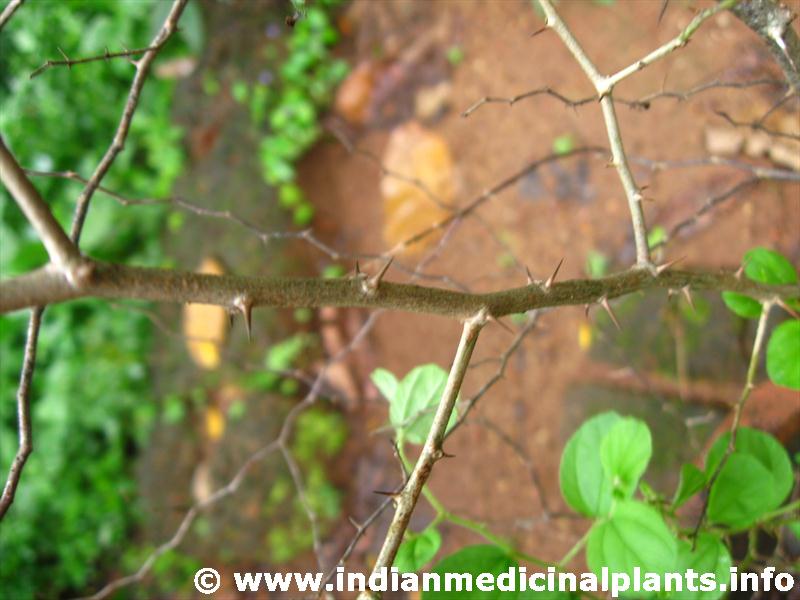
Morphology
A thorny shrub, with strong heartwood ,
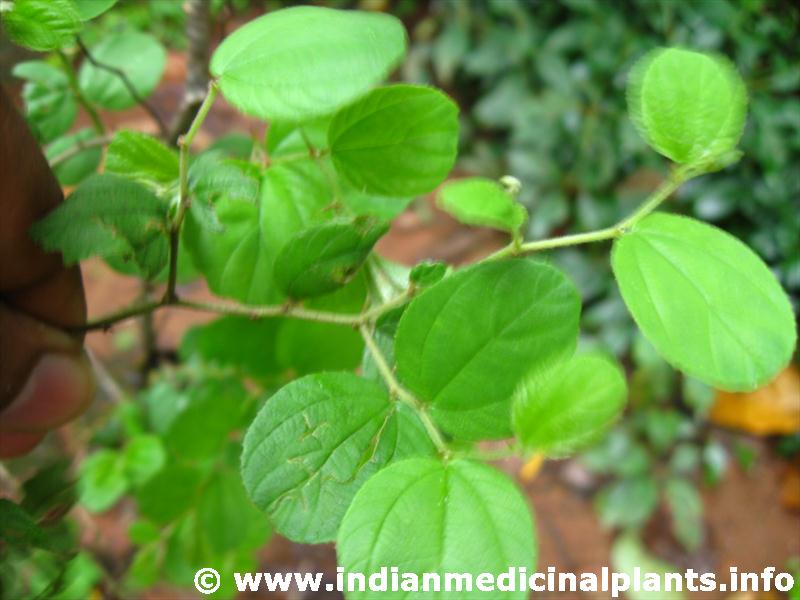
Leaves – simple,alternate, ovate
Flower –greenish yellow.axillary
Fruit -drupe
Distribution & Habitat
All over India, waste lands
Chemical constituents:
protopine , berberine, cyclicAMPandcyclicGMP, Sisyphus saponins I, II and III; jujuboside B and p-coumaroylates of alphitolic acid
Properties:
Guna : guru, snigdha, picchila;
Rasa : amla, madhur, kashaya
Veerya : sheeta;
Vipaka : madhur,
Karma –bramhanam, bhedanam, jwarghnam, vrisya, rasayana, balya
astringent, anodyne, cooling, stomachic, mild laxative, expectorant., antidiarrhoeal, antispasmodic, sedative, antiemetic, astringent , purgative, diaphoretic
Srotogamitva:
Dosha : Vata-pitta-Kaphanissarak.
Dhatu Shukra (aphrodisiac), rasa – rakta (reduces burning sensation in fever ), snayu (hoarseness of voice), meda (ikshumeha).
Mala : Purisha (strong purgative).
Organ : Uterus
Indication:
Kusta, chardi, pitanilam,
Nausea, skin disease, vomiting, ulcers,cough,asthma, diarrhea, leucorrhoea, insomnia
Part used:
Whole plant
Dosage:
Leaf juice 10-15 ml
Powder 2-4 g
Decoction 50-100 ml
Internal uses:
Refrigerant, cleanse and heals the wounds, improves the taste and reduces thirst. Taste sensation vanishes for some time when leaves are chewed. It acts as an expectorant, diuretic and reduces urine sugar. In ikshumeha, powdered leaves in a dose of 3 gms daily thrice a day. In excessive thirst, sharbat of ripe fruit is given.
Therapeutic Uses:
- Fruits useful in constipation.
Descriptions on Ayurveda books / Nighandu:
1.
2
3
4
5
6
7
8
9