Botanical Name: Zanonia indica Linn.
Family: Cucurbitaceae
Introduction:
It is useful in herpes infection.
Names in different Indian languages
| English | |
|---|---|
| Hindi | Chirpoti |
| Kannada | Kuntali |
| Malayalam | Penar-valli |
| Sanskrit | Chirpoti |
| Tamil | Penar-valli |
| Telugu | Dirga patramu |
| Unani | |
| Folk |
Synonyms
Chirpotaa, Kuntali, Tiktaka.
Classification according to Charaka, Susrutha & Vagbhata
| Charaka | |
|---|---|
| Susrutha | |
| Vagbhata |
Varieties & adulterants – (CV – controversy, AD – adulterants)
Morphology
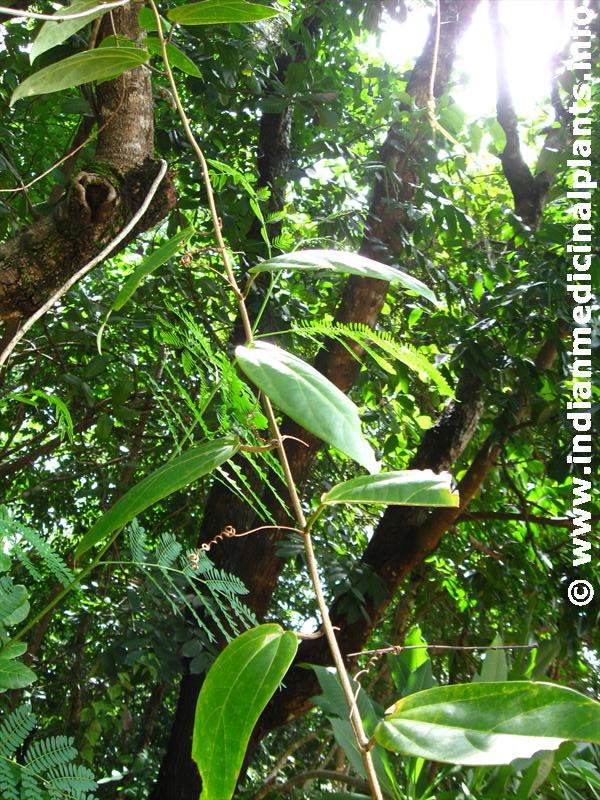
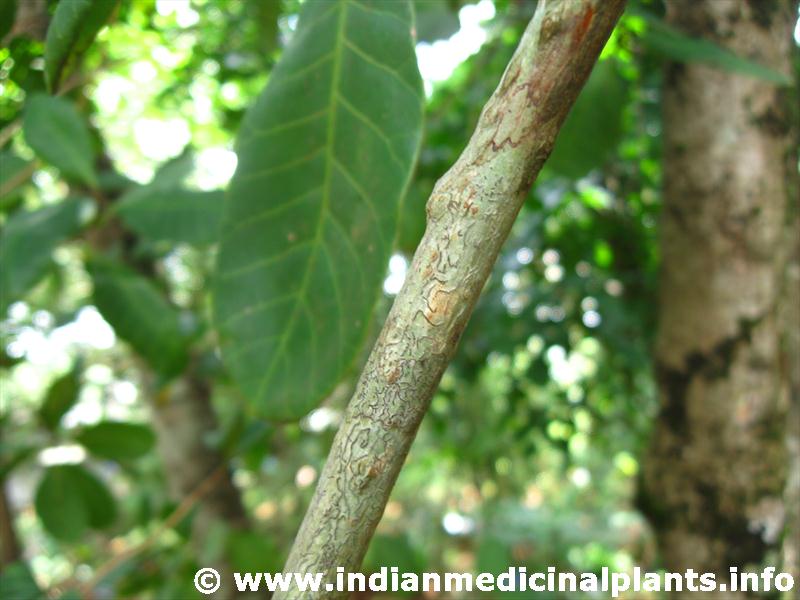
A woody climbing shrub,
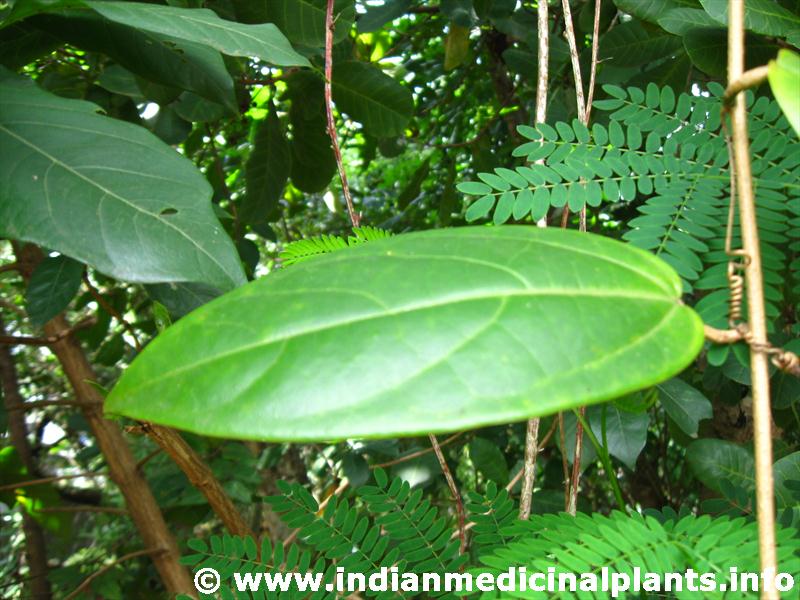
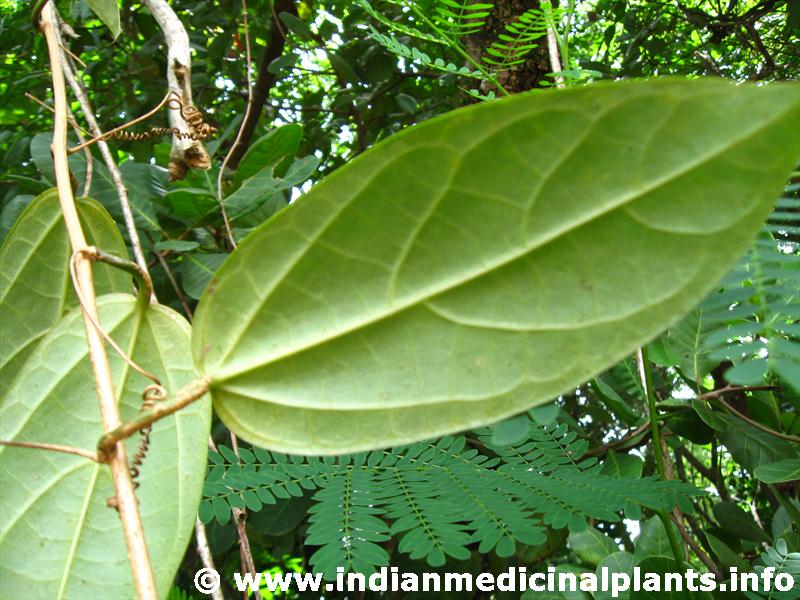
Leaves – simple,alternate, obovate, bright green on upper side, late on lower, long petiole (4-6 cm)
Flower- unisexual
Male –greenish –yellow, raceme
Female – yellowish raceme
Fruit – capsule
Distribution & Habitat
All over India
Properties:
RASA-kashaya, tikta
GUNA-hima
VIRYA-ushna
VIPAKA-katu
Karma –bedhana, jwarakari,
Fruits – pittasleshmalam
Antispasmodic, purgative, anti inflammatory , expectorant
Srotogamitva:
Dosha : pittahara
Dhatu :rasa
Mala :purisha
Organ : intestine
Indication:
Svasa, kasa,
cough , asthma, ulcers
Part used:
Leaves, fruits
Dosage:
Leaf juice 10-15 ml
Powder 2-4 g
Decoction 50-100 ml
Therapeutic Uses:
- Leaf juice useful in constipation.
Descriptions on Ayurveda books / Nighandu:
1
2
3
4