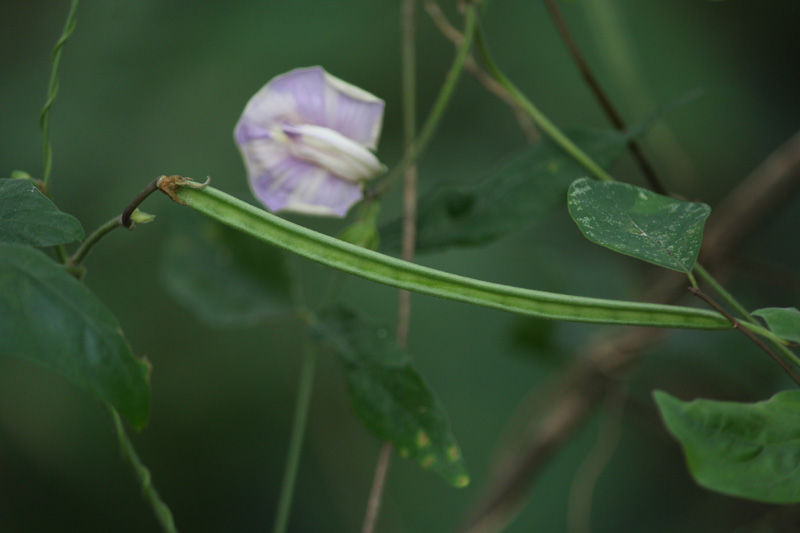
Botanical Name: Vigna Pilosa
Family: Leguminoseae
Subfamily: Papilionoseae.
Latin name : Phaseolous = like a litte boat: trilobus = having
English name : Wild bean.
Vigna Pilosa
Names in different Indian languages
| English | |
|---|---|
| Hindi | Banumung |
| Kannada | Kaduhesaru |
| Malayalam | Kattupayar, kattucherupayar |
| Sanskrit | Mudgaparni |
| Tamil | Kattupayar |
| Telugu | Adavipesalu, pilipesaru |
| Unani | |
| Folk |
Synonyms
Shravani, Tapodhana. Mundi. Bhikshu. Pawani, Shrimati, Tikta, Maharnundi
About Vigna unguiculata (Linn ) Walp. ssp. Cylindrica (Linn) Eselt.
Names in different Indian languages
| English | Cow pea |
|---|---|
| Hindi | Lobiya, santa |
| Kannada | Tadagunni, alasanti |
| Malayalam | Payar, vellapayar, kottapayar |
| Sanskrit | Raja masha, maha mashah |
| Tamil | Karamani |
| Telugu | Boberlu, alusendi |
| Unani | |
| Folk |
Scientific classification: Most beans belong to the subfamily Papilionoideae of the family Fabaceae (formerly Leguminosae). The Indian bean is classified in the genus Catalpa. The broad bean is classified as Vicia faba. Vetch is classified in the genus Vicia. Most beans of the United States and the frijoles of Mexico are classified in the genus Phaseolus. Cowpeas and asparagus beans are classified in the genus Vigna. The hyacinth bean is classified as Lablab purpureus, the soybean as Glycine max, the wild bean of the United States asPhaseolus polystachios, and the common garden bean of the United States as Phaseolus vulgaris. The lima, or sugar, bean is generally classified as Phaseolus limensis, although it is regarded by some as a variety of the civet bean, classified as Phaseolus lunatus. The tepary is classified as Phaseolus acutifolius variety latifolius and the scarlet runner as Phaseolus coccineus.
Varieties
Dolichos trilobus
(This plant is using in folk medicine as diuretic)
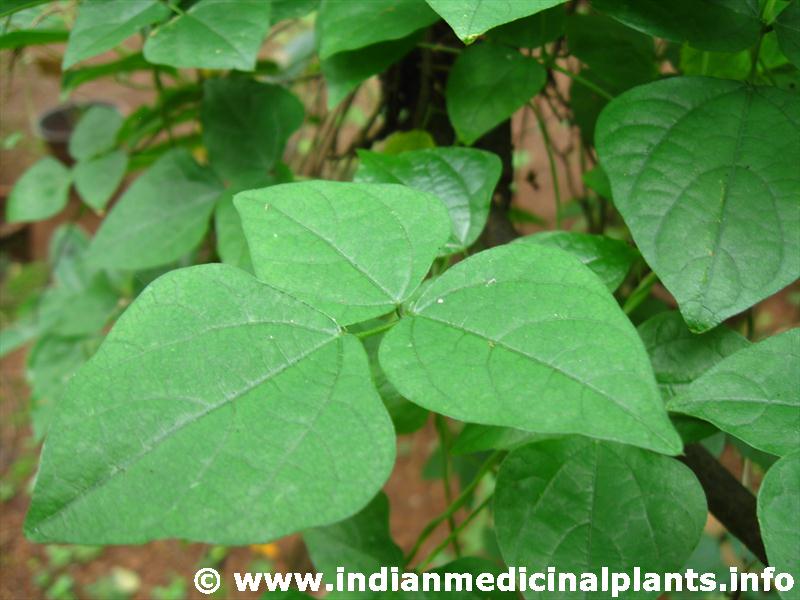
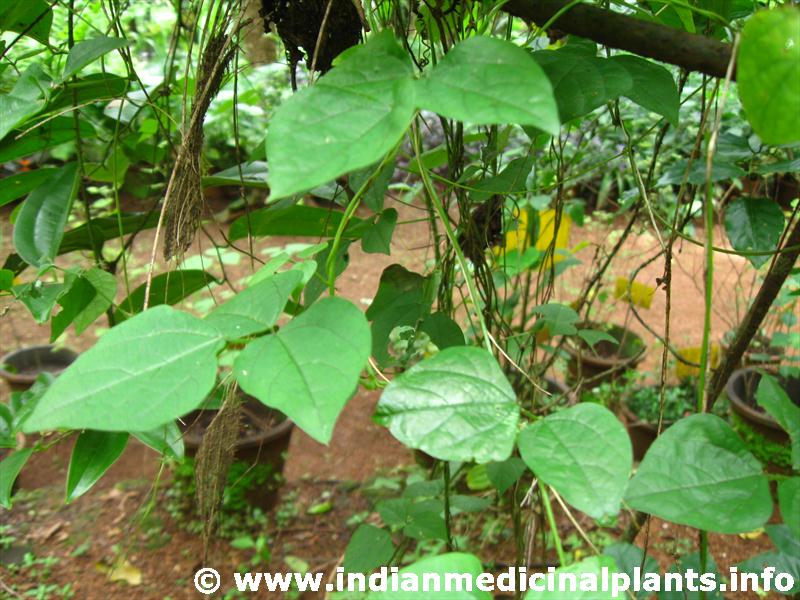
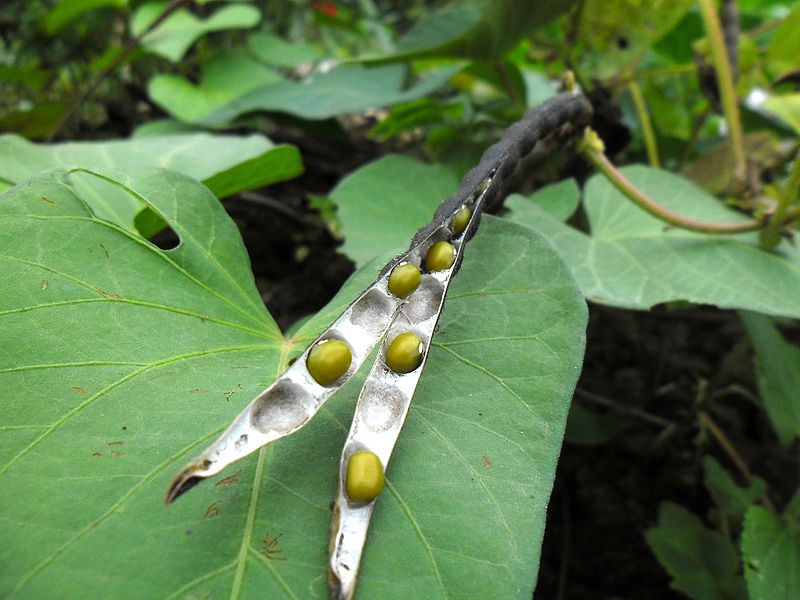
Vigna radiata
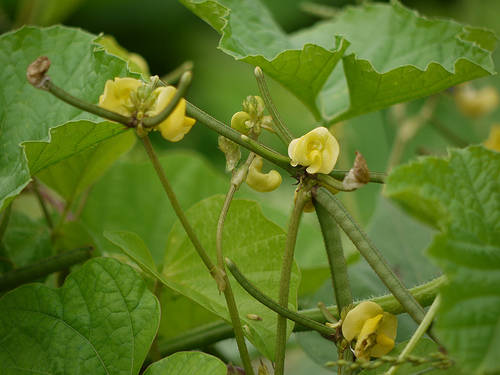
Vigna radiate
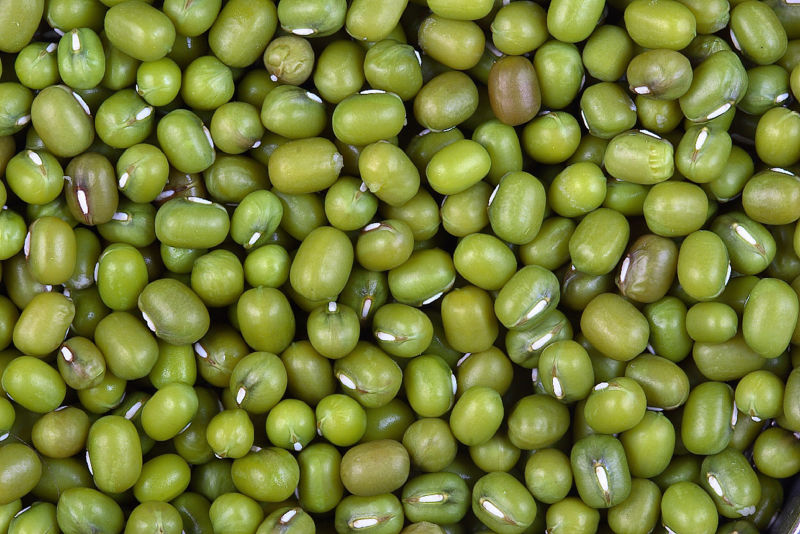
Vigna radiate
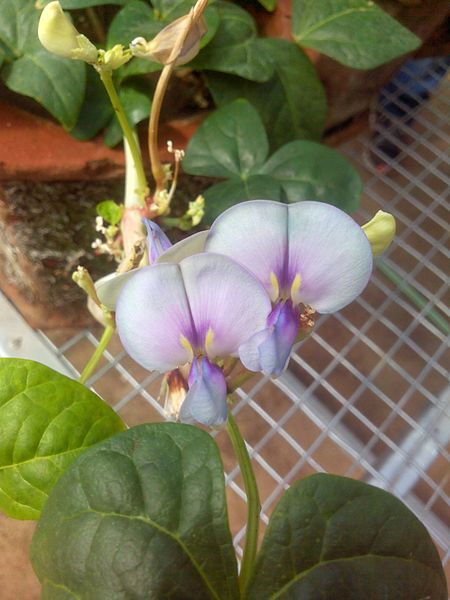
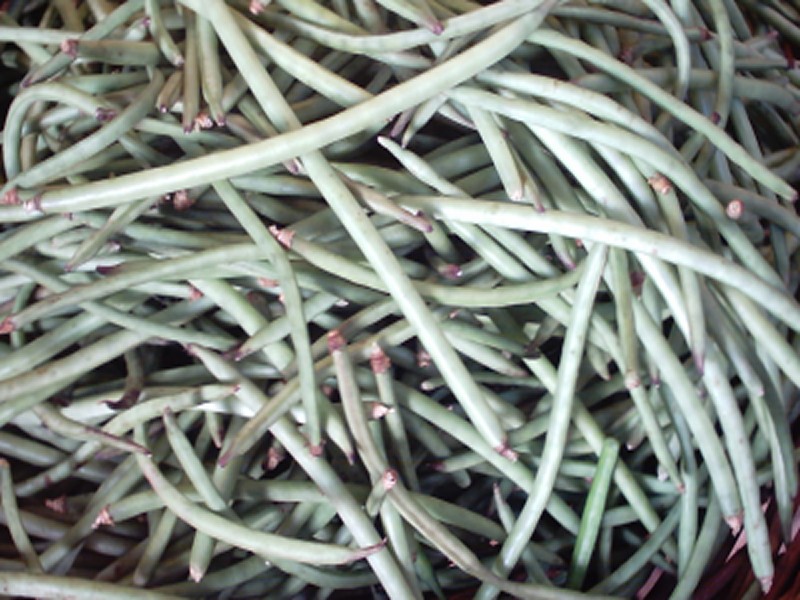
Vigna unguiculata (Linn ) Walp. ssp. Cylindrica (Linn) Eselt.
Morphology
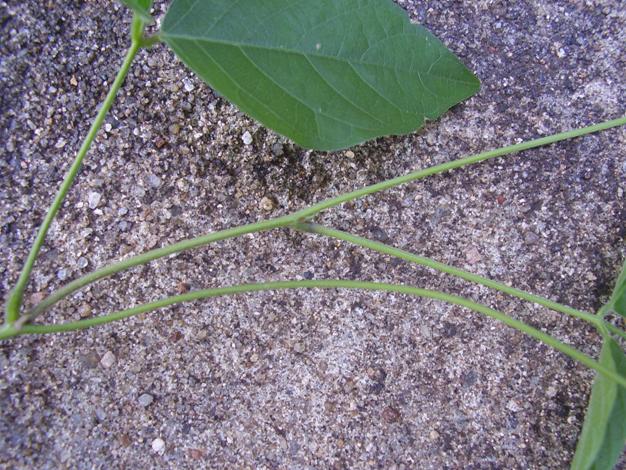
Root arises from each node of the creeper.
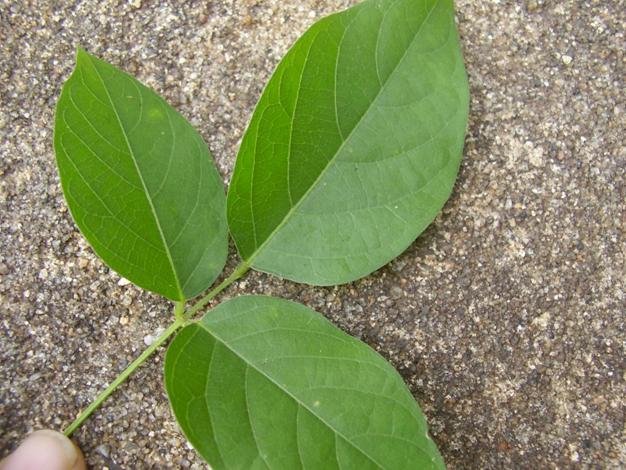
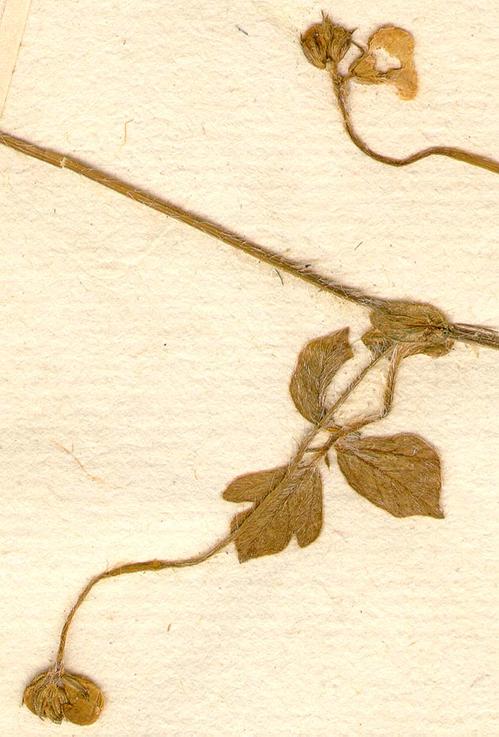
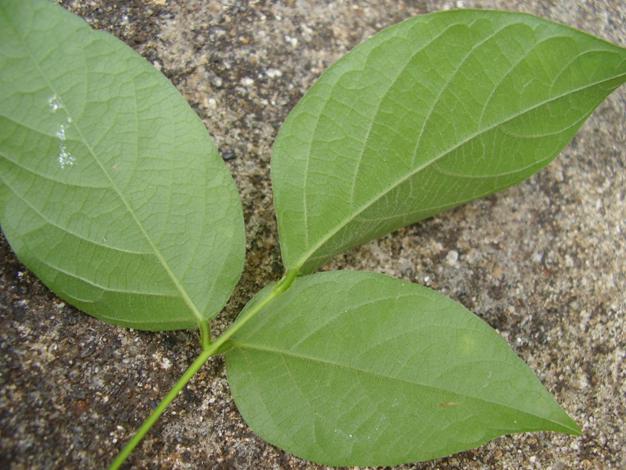
Leaves – trifoliate and hairy. Leaflets – quadrangular or oval. Flowers- yellow. Legume – 3 to 6 cms. long containing 6 .12 seeds. Root
Varieties : Two – (1) Rural and (2) Wild. soft, usually meaning pubescent hairy like velvet.
Vigna Pilosa
Properties:
Guna: laghu. ruksha;
Rasa: tikta. katu. madhur:
Vipaka :madhur:
Virya: sita
Dosha: tridoshahar.
Vigna Pilosa
Uses : It is used locally in inflammation, ulcers and eye diseases. Tampoon made of it is kept invagina in menorrhagia.
Internally it is used in diarrhoea, dysentery, piles and spermatorrhoea. Vatashamak and raktagami are the specific actions of it.
Srotogamitva
Dosha: Tridoshashamak.
Dhatu: Rakta (menorrhagia) (raktagami, vatashamak), shukra (spermatorrhoea).
Mala: Purisha (diarrhoea, dysentery).
Organs: Eyes and uterus
Vigna Pilosa
Descriptions on Ayurveda books / Nighandu:
About Vigna radiata
About
Vigna unguiculata (Linn ) Walp. ssp. Cylindrica (Linn) Eselt.