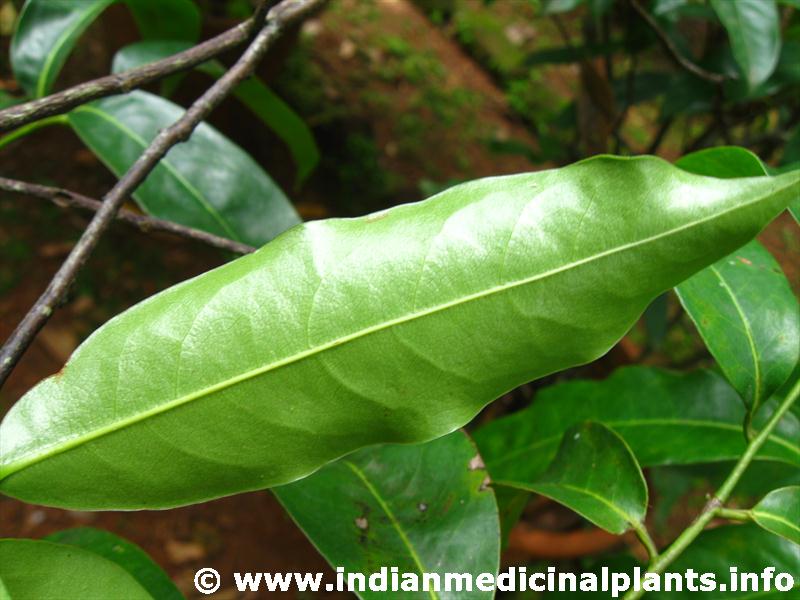
Botanical Name: Uvaria narum Blume
Family: Annonaceae
Introduction:
In kerala tradition, decoction of bark of this plant given to women at tie of delivery to avoid complication, especially epileptic patients.
Names in different Indian languages
| English | |
|---|---|
| Hindi | |
| Kannada | Kariballi |
| Malayalam | Narumpanal, kuril, karivalli, korandapazham, |
| Sanskrit | Nilavalli, vallisakotah |
| Tamil | Pulichan, manikolinjan |
| Telugu | |
| Unani | |
| Folk |
Synonyms
Uvaria hookeri king
Uvaria narum (Dunal) Wall. Ex. Hoof. & Thoms.
Classification according to Charaka, Susrutha & Vagbhata
| Charaka | |
|---|---|
| Susrutha | |
| Vagbhata |
Varieties & adulterants – (CV – controversy, AD – adulterants)
Uvaria gandiflora Roxb.,
Uvaria purpurea Blume
Uvaria micrantha (A. DC.) Hook. f. & Thoms.
Morphology
Medium sized tree
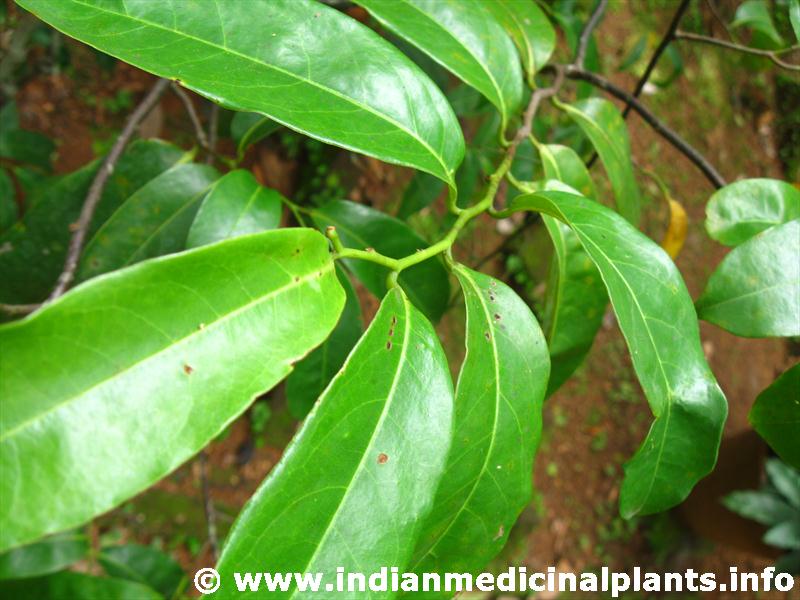
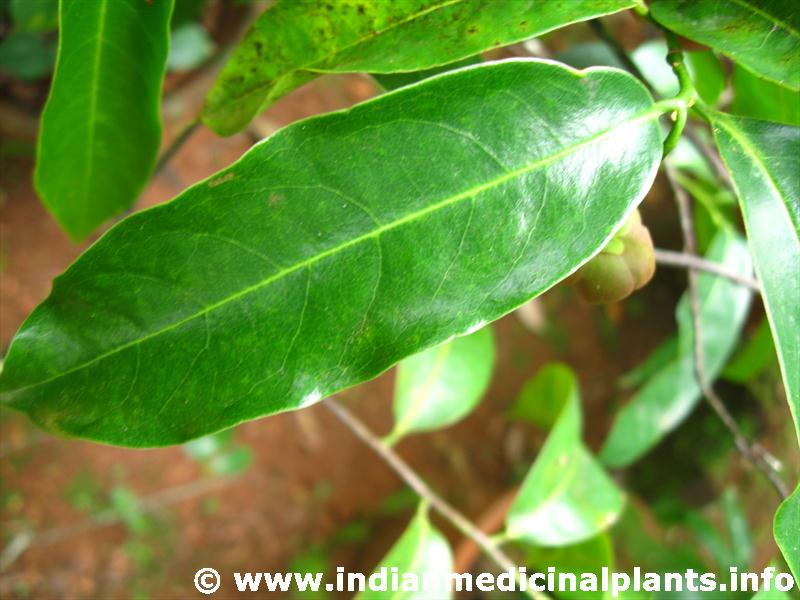
Leaves – simple, alternate, oblong,glbrous
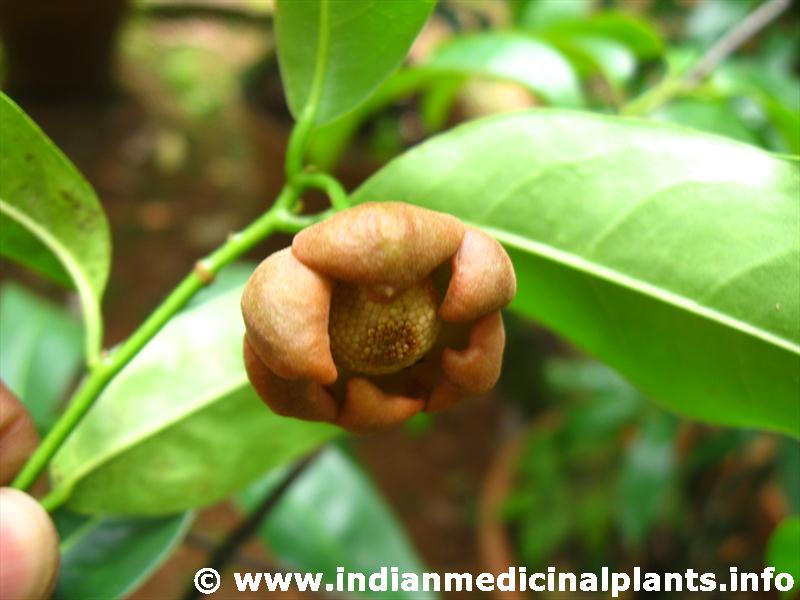
Flower – reddish, solitary, terminal
Distribution & Habitat
Western Ghats
Chemical constituents:
Acetogenins, Glutinone, glutinol, taraxerol, beta-sitosterol , benzyl benzoate, bornyl acetate , patchoulenone
Karma –
Sweet, aromatic, emollient,febrifuge, vata-pitha samana
Indication:
Eclapsia, fits, epilepsy , fevers, biliousness, Jaundice, delivered women, skin disease
Part used:
Root, leaf , bark
Dosage:
Leaf juice 10-15 ml
Powder 2-4 g
Decoction 50-100 ml
Therapeutic Uses:
- Bark / root decoction useful in controlling fits after delivery