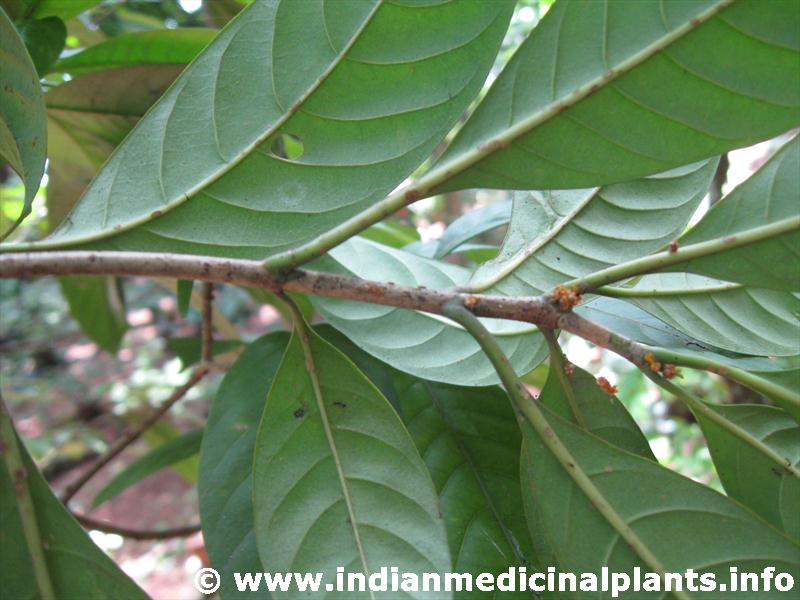
Botanical Name: Tabernaemontana heyneana Wall.
Family: Apocynaceae
Introduction:
Some people calls his plant as ‘kampilaka’ , commonly Mallotus phileppenis uses as kampilaka.
Names in different Indian languages
| English | |
|---|---|
| Hindi | |
| Kannada | |
| Malayalam | Koonampala, kampipala, kuruttupala |
| Sanskrit | |
| Tamil | |
| Telugu | |
| Unani | |
| Folk |
Synonyms
Tabernaemontana alternifolia L.
Classification according to Charaka, Susrutha & Vagbhata
| Charaka | |
|---|---|
| Susrutha | |
| Vagbhata |
Varieties & adulterants – (CV – controversy, AD – adulterants)
Morphology
It is an evergreen shrub, grows 1-2 m height
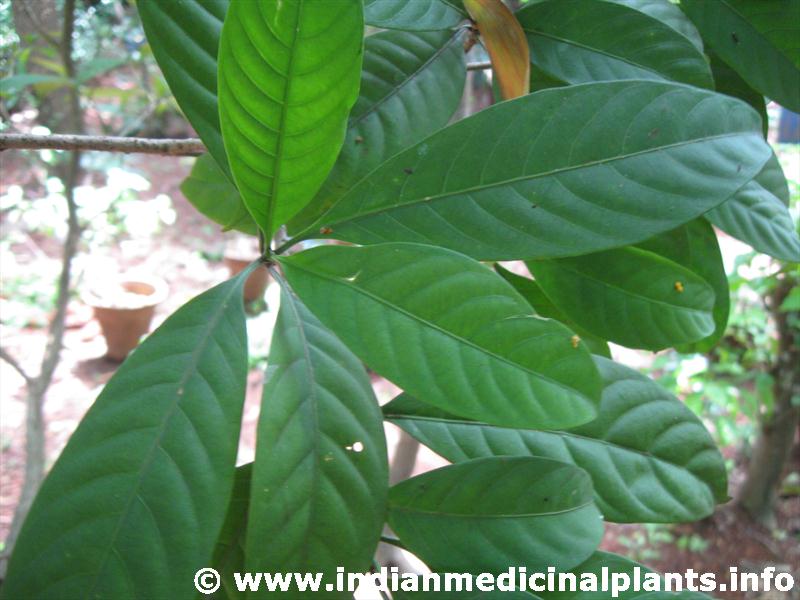
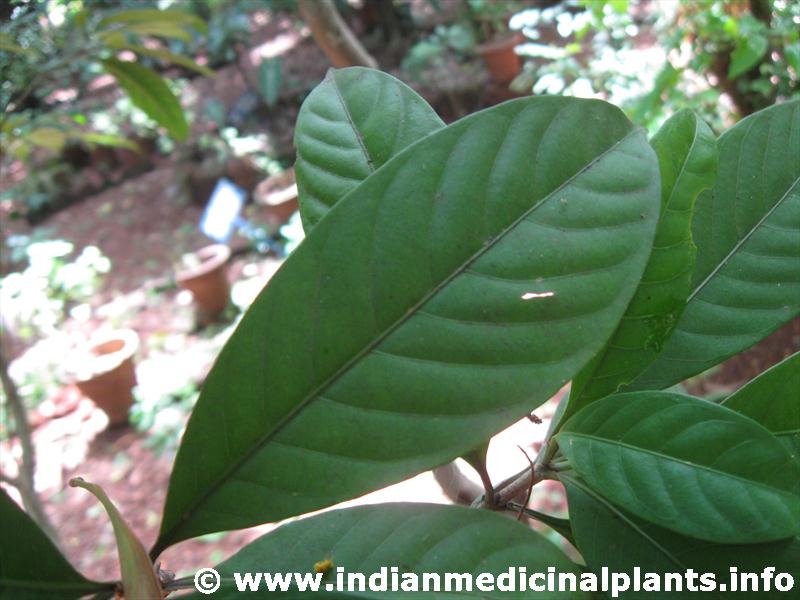
Leaves – simple, opposite, glabrous, elliptic-ovate
Flower –white, cymes
Fruit – globose.
Distribution & Habitat
All over India
Chemical constituents:
voacristine, voacangine, coronaridine, vobasine, tabernaemontanine,dregamine. Isovoacristic hydrochloride
Karma –
Nervine tonic , acrid, anodyne; relieves toothache, anti inflammatory
Indication:
Gout, skin disease, paralysis,ulcers
Part used:
Whole plant
Dosage:
Leaf juice 10-15 ml
Powder 2-4 g
Decoction 50-100 ml
Therapeutic Uses:
- Decoction is useful to wash ulcerative wounds.