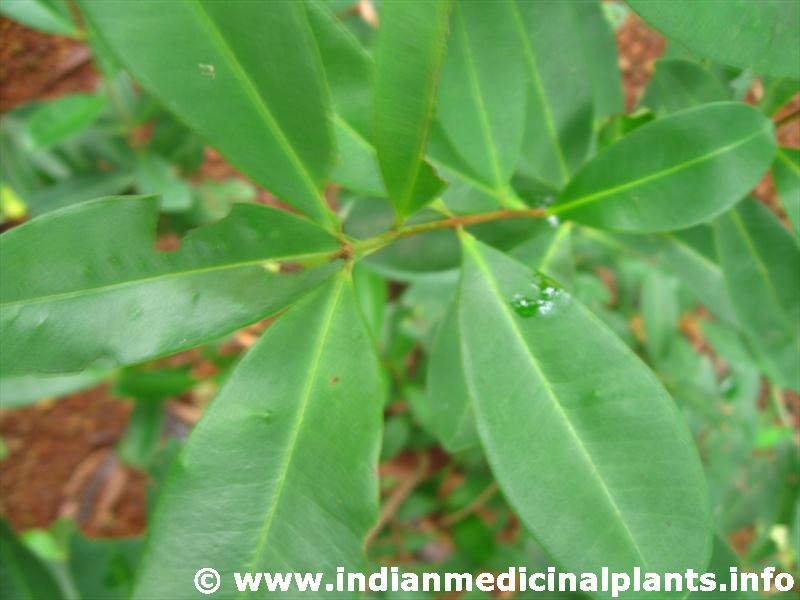
Botanical Name: Syzygium caryophyllaeum
Family: Myrtaceae
Introduction:
Fruit/seed is mainly used in the management of diabetes
Names in different Indian languages
| English | |
|---|---|
| Hindi | |
| Kannada | |
| Malayalam | Njara , karinjara |
| Sanskrit | Hrasvajambu , kaka jambu |
| Tamil | |
| Telugu | |
| Unani | |
| Folk |
Synonyms
Classification according to Charaka, Susrutha & Vagbhata
| Charaka | |
|---|---|
| Susrutha | |
| Vagbhata |
Varieties & adulterants – (CV – controversy, AD – adulterants)
4 types of jambu mentioned in nighandu ratnakaram
Morphology
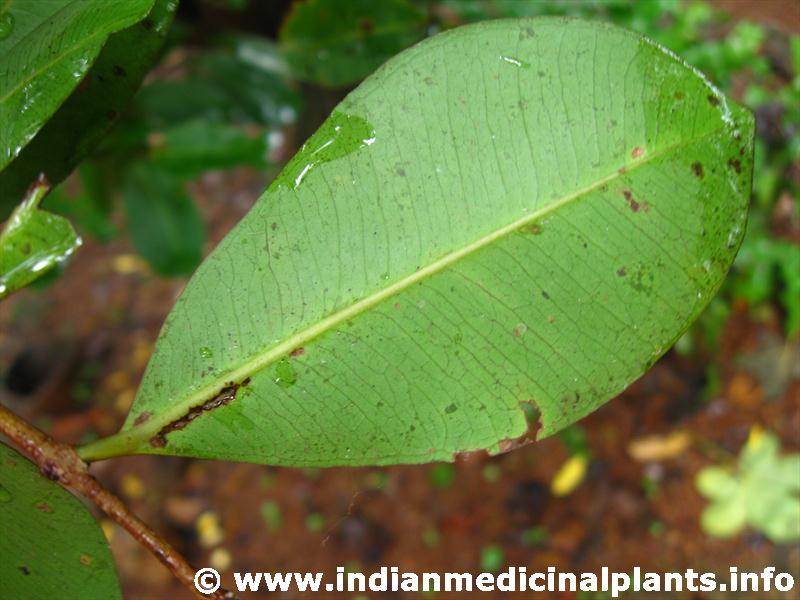
It is a moderate-sized, glabrous tree about 18-20 m. height.
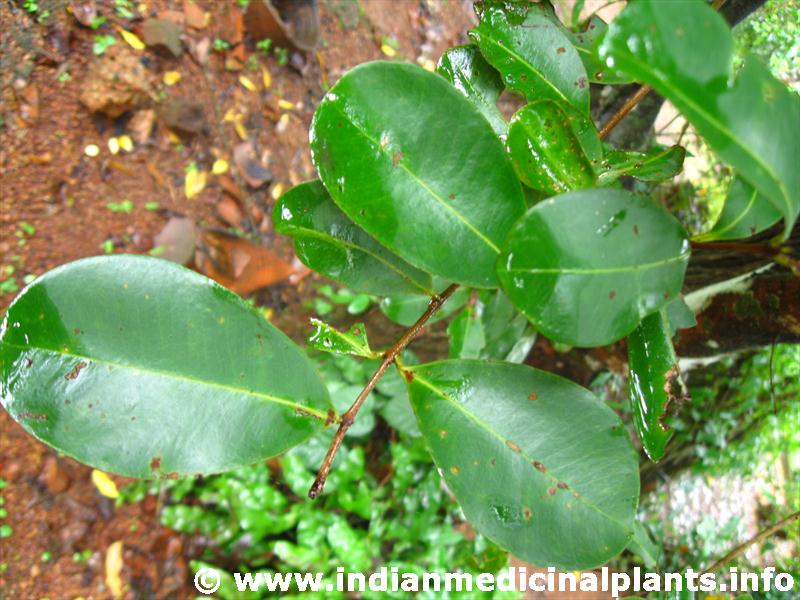
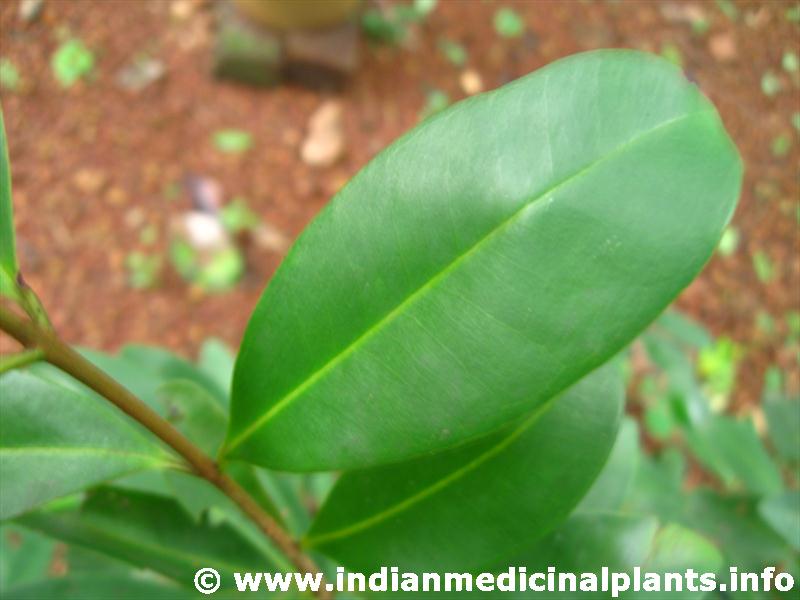
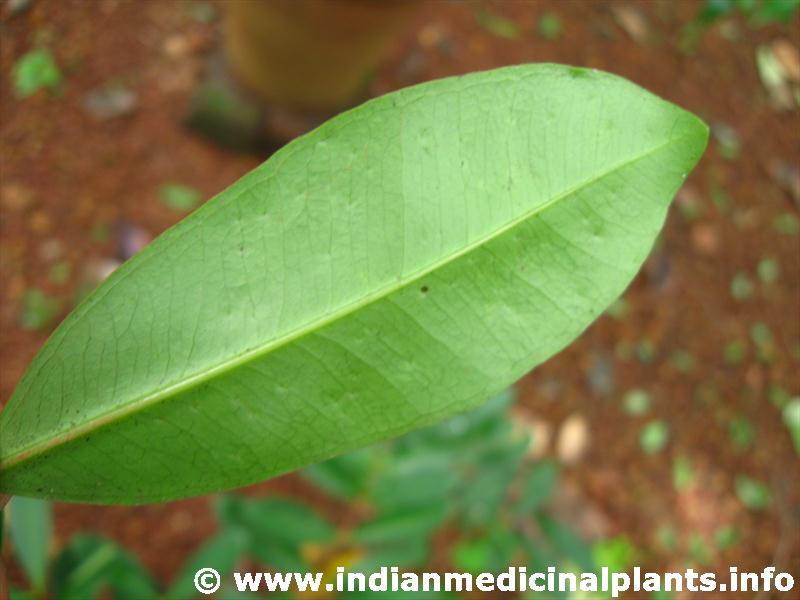
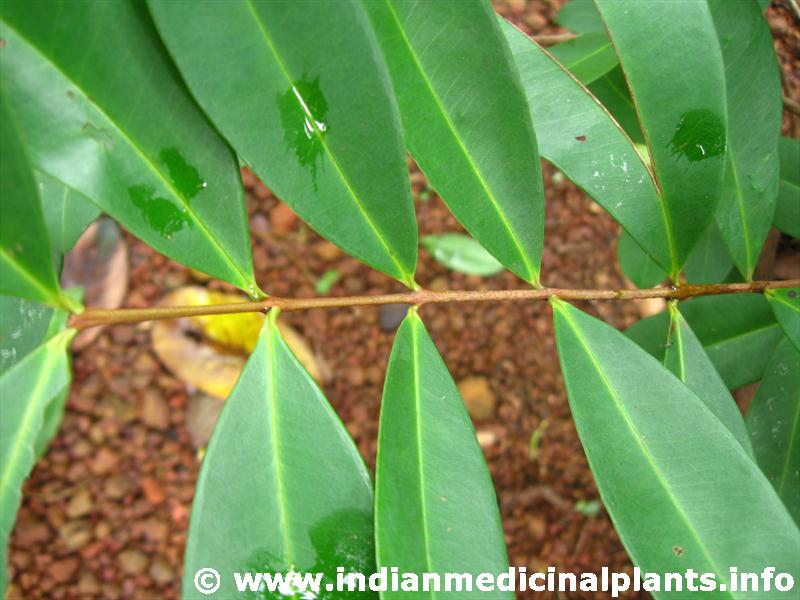
Leaves- simple, opposite. coriaceous, shining, entire, oval, oval-oblong or lanceolate-oblong, long-acuminate, lateral nerves numerous, parallel, confluent near the margin.
Flowers- greenish, tetramerous, in 3-flowered cymes, arranged. in broad trichotomous panicles. Calyx-tube funnel-shaped.
Fruit- berry, oblong or subglobose, purple or black, succulent, smooth when ripe.
Distribution & Habitat
All over India
Chemical constituents:
bergenin, eugenia triterpenoids A & B , gallic acid and ethyl gallate.
Properties:
Similar to jambu