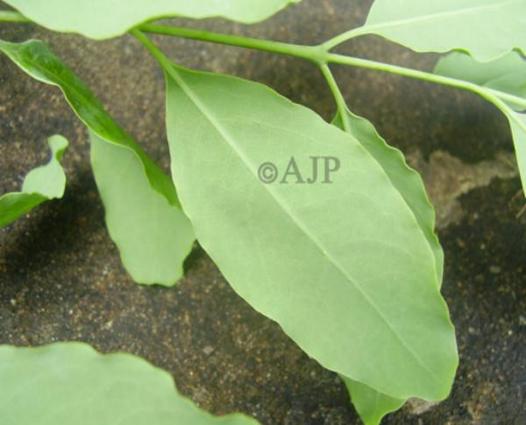
Botanical Name: Santalum album Linn.
Family: Santalaceae
Introduction:
Chandana is considered as an aromatic substance which is utilized for external application along with other drugs.
Scientific classification: Sandalwoods make up the family Santalaceae in the order Santalales. The largest family in the order Santalales is Loranthaceae. The representative genus is Santalum. True sandalwood is classified as Santalum album.
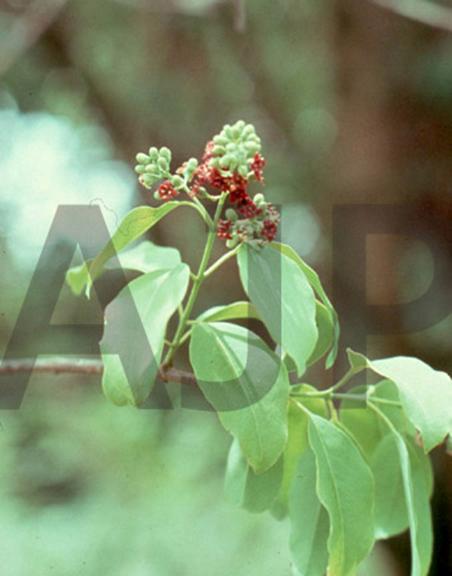
Names in different Indian languages
| English | White Sandalwood tree, sandal tree |
|---|---|
| Hindi | Safed chandan, santal |
| Kannada | Bavanna , agarugandha |
| Malayalam | Chandanam |
| Sanskrit | Chandanah, srikhandam |
| Tamil | Chandanam |
| Telugu | Chandanamu, sringandapumanu, gandhapucekka |
| Unani | Sandal Safed, Sandal-e- Abyaz. |
| Folk |
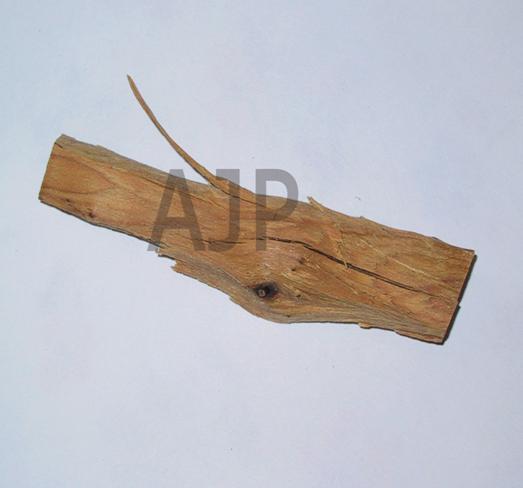
Synonyms
Shvetachandana, Shrikhanda, Bhadra-Shree, Gandhsaara, Malayaja, Hima, Ekaangi
Classification according to Charaka, Susrutha & Vagbhata
| Charaka | Dãhaprasamana, Añgamardaprasamana, Trsnãnigrahana, Varnya, Viaghna, Kandughna |
|---|---|
| Susrutha | Salasäridi, Sãrivadi, Patölãdi, Priyañgvadi, Gudücyadi |
| Vagbhata | Asanadi, Patolãdi, Sãrivãdi, Priyangvadi; Guducyãdi |
Varieties & adulterants – (CV – controversy, AD – adulterants)
1. Candana
2. Rakta candana
3. Kucandana (Patranga)
4. Kaliyaka
5. Barbarikã.
6. Goira
7. ripriya
8. Sambhräna
9. Kakubha
10. Barbarikã
11. Patanga
12. Haricandana.
1.sveta (white) 2.Krsna (black) 3.Rakta (red).
13. Pita candana
14. Kairata candana
15. Sukvadi.
Generally, sveta Candana is used for the preparation of Curna, taila, kashaya, Asava and Lehyas while Rakta Candana is used for Lepas.
Morphology
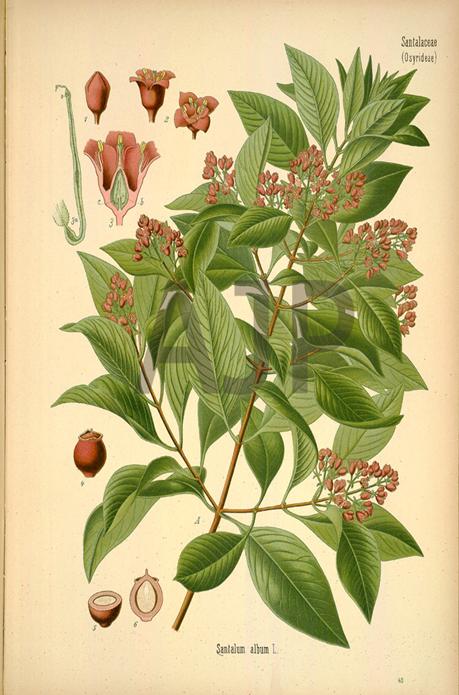
A small or medium-sized tree, with slender branches, 18 m high
Bark— dark grey or nearly black or red-dish.
Sapwood— unscented and whitish yellow, but heartwood scented and light yellowish brown (fresh one) or dark brown or reddish brown (dried).
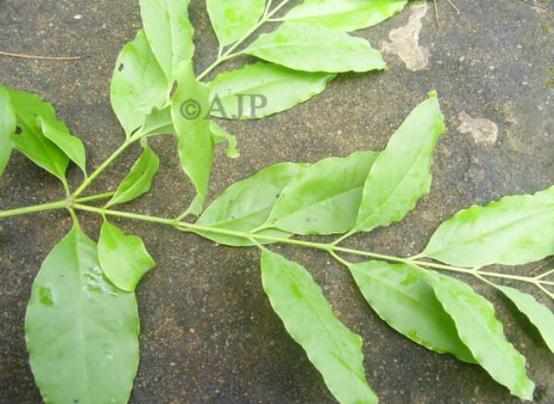
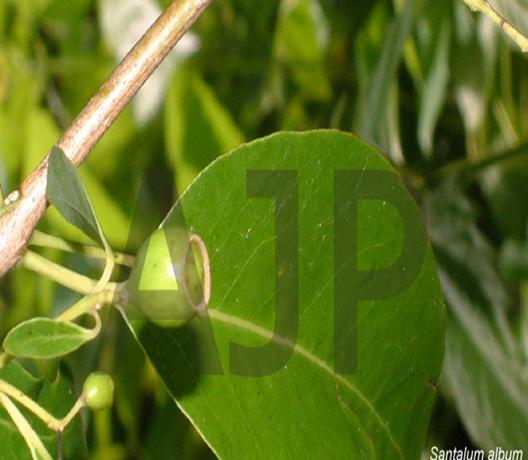
Leaves— elliptic- ovate of ovate-lanceolate, glabrous, 2-9.0 cm x 1.5-3.5 cm size.
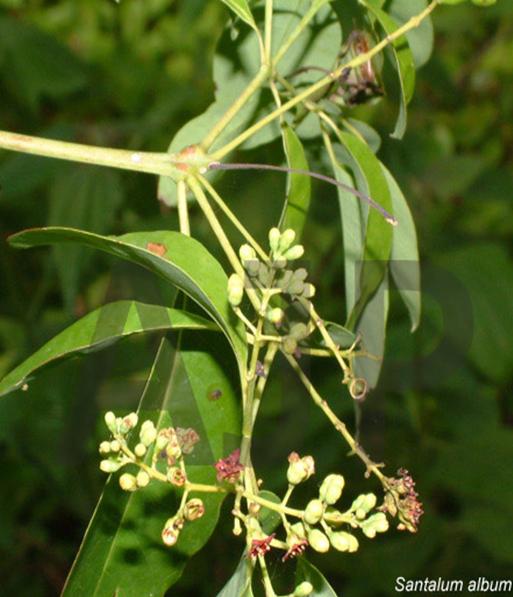
Flowers— maxillary and terminal paniculate brownish purple, violet or straw-coloured.
Fruit— drupe, purple-black, globose.
Seeds— globose or ovoid.
Habitat & Distribution
Found in dry-scrub forests, Vindhya mountains, mainly in Karnataka and Tamil Nadu.
Chemical composition: 3 to 6% volatile oil is derived from the heartwood and roots. Roots contain comparatively more oil, 125 gin of oil can be derived from 20 kgs. ,of sandalwood. This oil is yellow, thick, having fragrance, bitter and pungent. Sandalwood oil contains 90% santalol.
Sandalwood oil— ct—santalol, —santene, and santalenes, santenol, teresantalol, nor-tricycloekasantalal, 1 -santenone, santanone, teresantalic acid, a—and —santanta1ic acids.
Other parts— Santalic acid, n-ocacosanol, plamitone etc.
Properties—
Rasa Tikta, Madhura
Guna Laghu, Ruksa
Virya sita
Vipaka Katu
Karma Kapha -pittahara, Dähaprasamana, varnya, vranahara, kasaghna, kushtaghna
Cooling, diaphoretic, diuretic, expectorant, antiseptic
Indications— Dãha, Jvara, Kustha, Visarpa, Kandü, Trsnä, Raktapitta
Fever, urinary track infections, cough, asthma, skin disease, menprrhagia, jaundice
Part Used— Heart wood, Volatile oil
Dosage— Powder 3-5g, decoction 50-100 ml
Important Yogas or Formations
Chandanadi churna, Chandanadi vati, Chandanasava, Chandanabala-Iakshadi taila. Cañdanãdi ghrta, Candanãditaila, Candanäsava, Candanadi Kvãtha,
Important research work going on
1. bleeding diseases
2. action on skin
Therapeutic Uses—
(1) Parmeha— In sukrameha— the decoction of Arjuna & Candana is recommended and in Mañjisthã meha, the decoction of Mañjisthã & Candana is recommended (S.S.Ci. 11).
(2) Chardi— Candana is given along with the juice of Amalaki
(C.S.Ci. 20).
(3) Pradara— Candana is given with milk, ghee, sugar and honey (G.N.)