Botanical Name: Sida alnifolia L.
Family: Malvaceae
Introduction:
Its properties and usage similar to Sida cordifolia Linn. Industry in Kerala used this plant as ‘bala’ very much.
Names in different Indian languages
| English | |
|---|---|
| Hindi | Jangali Methi |
| Kannada | |
| Malayalam | kuruthotti |
| Sanskrit | Balla (variety ) |
| Tamil | kuruthotti |
| Telugu | |
| Unani | |
| Folk | Jangali Methi |
Synonyms
Sida rhombifolia L. var retusa(L) Mast
Classification according to Charaka, Susrutha & Vagbhata
| Charaka | |
|---|---|
| Susrutha | |
| Vagbhata |
Varieties & adulterants – (CV – controversy, AD – adulterants)
Bala – CV
Morphology
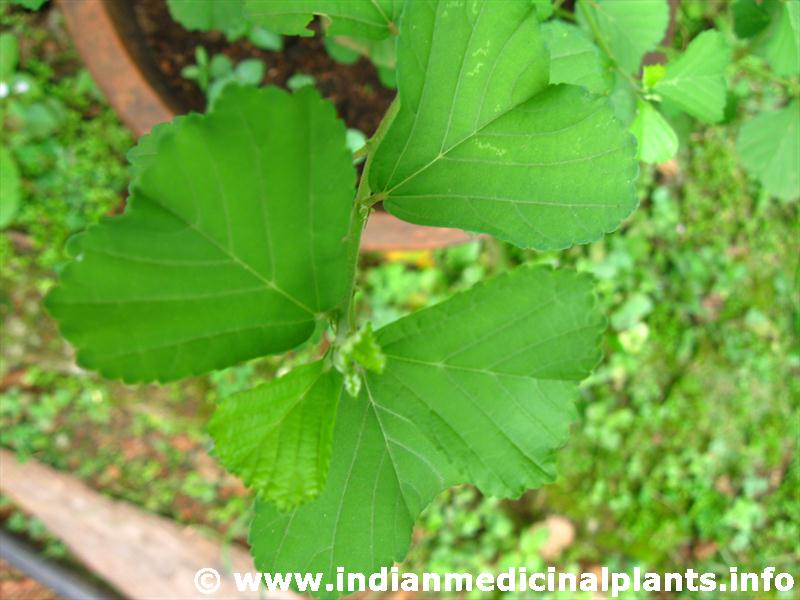
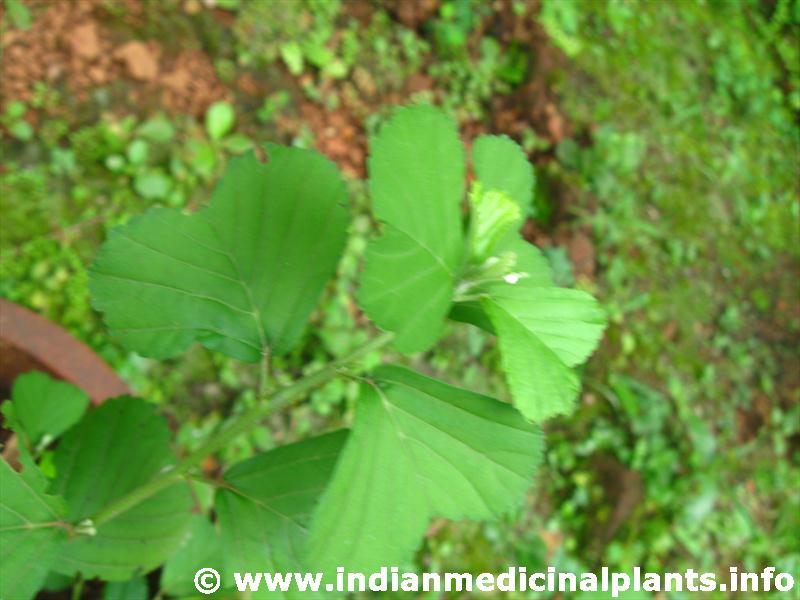
It is a hairy herb, frequently procumbent and sometimes rooting at nodes.
Leaves- simple, alternate, cordate-ovate, sparingly hispid.
Flowers- axillary, solitary, or borne in pairs or in small cymes, yellow.
Seeds- brown. (Flowers and fruits throughout the year)
Distribution & Habitat
All over India
Chemical constituents:
phenethylamine, ephedrine (major), siephedrine, vasicinol, vasicinone, vasicine, choline, hypaphorine and betaine
Properties:
Similar to Bala
Karma –
astringent, cooling, stomachic, febrifuge, diuretic
Indication:
used for nervous and sexual debility, haemorrhoids, biliary disorders, gout, tuberculosis, uterine disorder, general debility
Part used:
Root
Dosage:
Powder 2-4 g
Decoction 50-100 ml