Botanical Name: Saussurea lappa (Decne) Sch.-Bip.
Family: Compositae; Asteraceae
Introduction:
There have controversy to identify Kustha and Puskaramula. It was mostly available together with ‘Soma’.
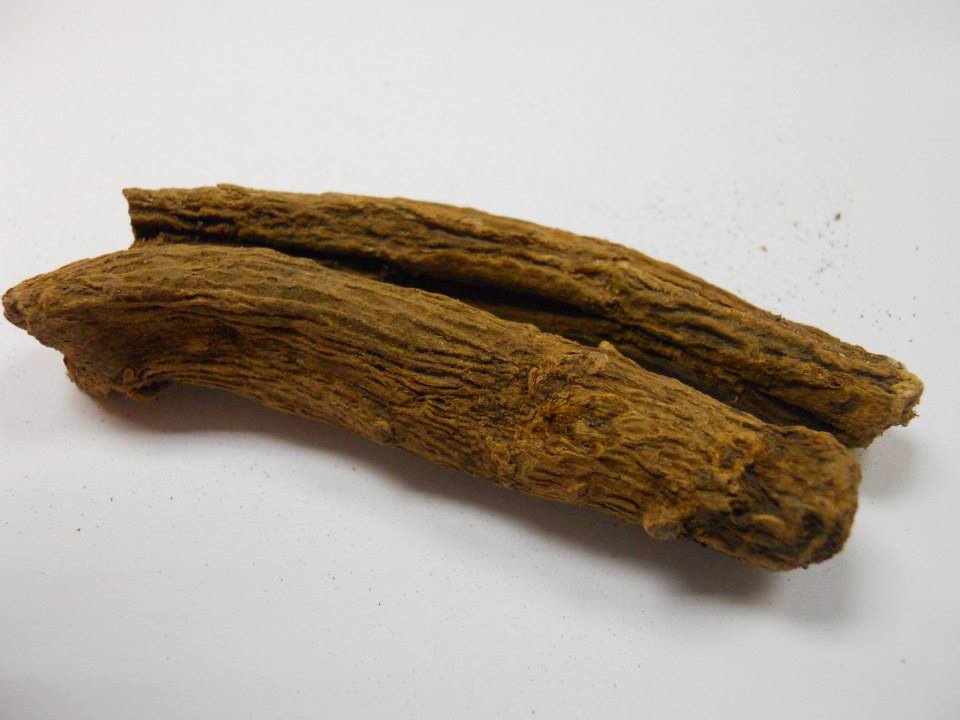
Names in different Indian languages
| Hindi | Kuth |
|---|---|
| Telugu | Changala, kostamu |
| Tamil | Kotam, goshtam |
| English | Kuth, costus |
| Kanada | Kostam, gostham |
| Malayalam | Kottam,simakKottam |
| Sanskrit | Kushtha, Kusht |
| Unani | Qust |
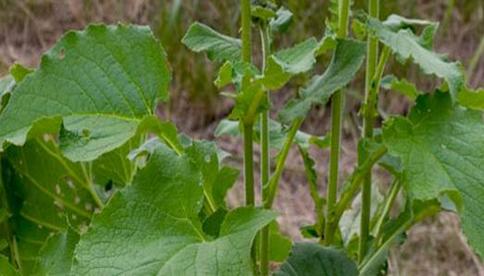
Synonyms
Utapala, Kasmirà, Vapya, Gada, Agada, Ama, Amaya, Kapãlam, Kouberam, Japyam, Tvakdosa, Divya, Durnãma, Padmaka, Paribhavya, Pãkala, Pãribhadraka, Manusañ jnaka Rãmam, Ruk, Rogahvã
Classification according to Charaka, Susrutha & Vagbhata
| Charaka | Sukraodhana, Lekhaniya, Asthapanopaga |
|---|---|
| Susrutha | Elädi gana |
| Vagbhata | Elädi gana |
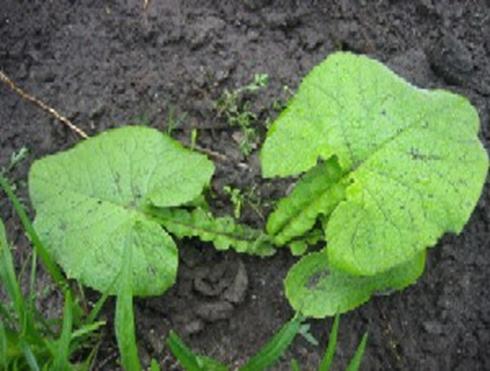
Varieties & adulterants – (CV – controversy, AD – adulterants)
1. adulterants of Tagara as well as Puskaramüla.
2. Inula royleana [CV]
3. Aplotaxis auriculata
4. Iris germanica [CV]
5. Salvia lanata [CV]
6. Arctium lappa [CV]
7. Inula racemosa [CV]
8. Costus speciosa [CV]
Saussurea obvallata
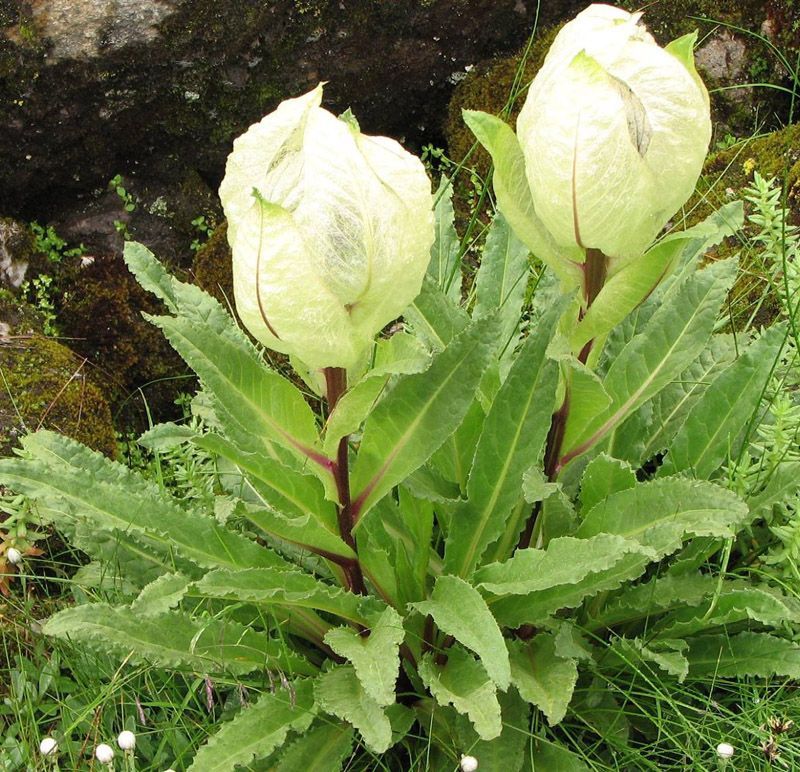
Morphology
A robust perennial herb. Stem- erect, about 1 -2 m high.
Leaves- membranous, irregularly toothed; basal one very large, 0.6-1.2 m long, triangular, with a long lobately winged stalk. Stem leaves smaller.
Flowers- bluish purple, heads, stalk less, hard, rounded, 2.5-4 cm. diameter, 2-5 forming axillary and terminal clusters. Corolla about 1.5 -2 cm long, tubular, dark blue-purple or almost black. Stamens free. Anther-tails fringed.
Fruit- achenes, up to 10 mm long, compressed, curved.
Root: stout, 40-60 cm long, brown, longitudinal ridges present.
Cut surface shows dirty white colour.
Distribution & Habitat
Kashmir and alpine Himalayan ranges at 8,000- 13,500 ft.
Chemical composition Roots contain 1.5 % aromatic oil. glucoside, saussurin salt, resin. , inulin 18 %, stable oil, nitrate, glucose etc. Leaves do not contain aromatic oil. On incinerating, roots yield 3.5 % ash- It contains a large quantity of manganese. Essential oil, costol, taraxas-terol, costunolide, dehydro costuhactone, alpha- cyclocostunolide, sitosterol, sesquiterpenes, Ar-curcumene, isodihydrocostuslactone, costus-lactone etc.
Properties
Rasa Tikta, Katu, Madhura
Guna Laghu, Rüksa, Tiksna
Virya Usna
Vipãka Katu
Karma – Vãta-kapha hara, Lekhaniya, Vrsya,
Digestive, carminative, expectorant, rejuvenating, antispasmodic, astringent,antiseptic
Part Used— Root
Dosage— Powder 1-2 g.
Indications— Kustha, Hikkã, Kãsa, svãsa, Pãrsvsaula, Hrdroga, Visarpa, Kandü, Vãtarakta.
Cough, ulcers, colic, cephalagia, cholera, erysipelas, pruritis, ringworm, gout, cough, ashma, bronchitis.
Internal uses
Nervous system Used in vata diseases, especially in epilepsy since it is vatahara and antiepileptic
Digestive system Appetizer, digestive and carminative. It is used in loss of appetite, indigestion, ascites, colicky pain, diarrhoea and cholera.
Circulatory system Raktashodhan, shothaghna, stimulant, therefore used in vatarakta, visarpa, rheumatism, oedema and weakness of the heart. In rheumatoid arthritis, caster oil + kushtha’ is given orally.
Respiratory system Kaphaghna, expectorant and hence used in cough. asthma, pleurisy, hiccups and dyspnoea.
Reproductive system Uterine stimulant. enhances ovulation, breast milk, improves semen quality, aphrodisiac and therefore used in amenorrhoea, dysmenorrhoea and as a uterine tonic, in post partum conditions, It is a galactogogue It acts as an aphrodisiac by improving semen quality. It produces stimulant action on the reproductive organs of both sexes when given along with turmeric, honey and ghee
Urinary system It is mutravahasrotogami and therefore used as a diuretic in renal diseases, Skin Increases sweating. kushthaghna. therefore used in skin diseases, It improves blood circulation and complexion of the skin.
Temperature It is a febrifuge and therefore useful in vata kapha fevers, Satmikaran Used as rasayan in debility
Srotogamitva –
Dosha Vatakaphaghna.
Dhatu Shukra (stimulant), rakta (visapra. vatarakta, kushtha)
Mala Diuretic.
Organ Pranavahasrotas.
Important Yogas or Formations
Kusthãdi tailam, Kustharasayana.Kushthadi churna, kwatha and taila
Important research work going on
(1) antiseptic and disinfectant properties
(2) hypotensive spasmolytic and brochodilatory effects
(3) Anthelmintic activity
(4) cardio-vascular diseases
(5) Effect of its root on gastrointestinal motility
Therapeutic Uses—
(1) Unmãda & Apasmara – Old ghee processed with Brãhmisvarasa, Vasa, Kustha and sañkhapuspi is useful (C.S.Ci.l0/25)
(2) Medhya rasãyana. Kustha, Vasã, Brãhmi and Suvarna bhasma are administered after mixing with honey and ghee to the children