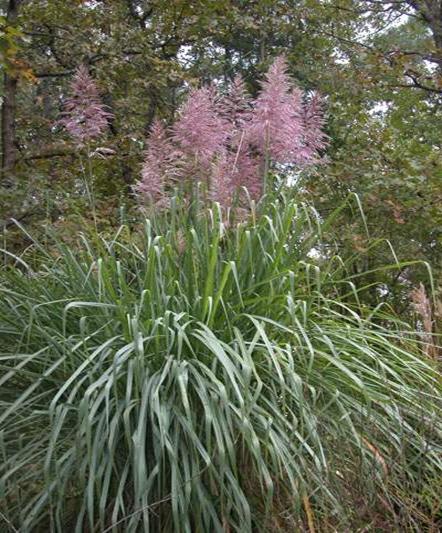
Botanical Name: Saccharum officinarum Linn.
Family: Gramineae (grass like).
Latin name : Sacchrum = sugar producing; munja = Indian name.
Names in different Indian languages
| English | Sugarcane |
|---|---|
| Hindi | Ganna, pundiya |
| Kannada | Kabu, isku |
| Malayalam | Karimpu |
| Sanskrit | Iksuh, pundirak |
| Tamil | Pundaram, karimpu |
| Telugu | Ceruku |
| Unani | |
| Folk |
Synonyms
Bann, lkshu, Sayak, Kshur. Another variety – lkshur, Munja, Kanda, Tirkansa.
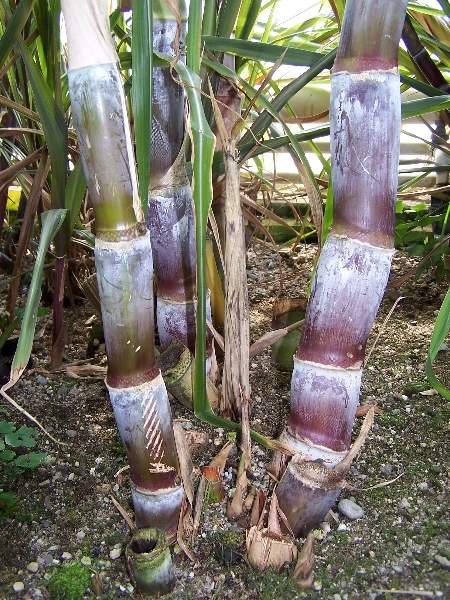
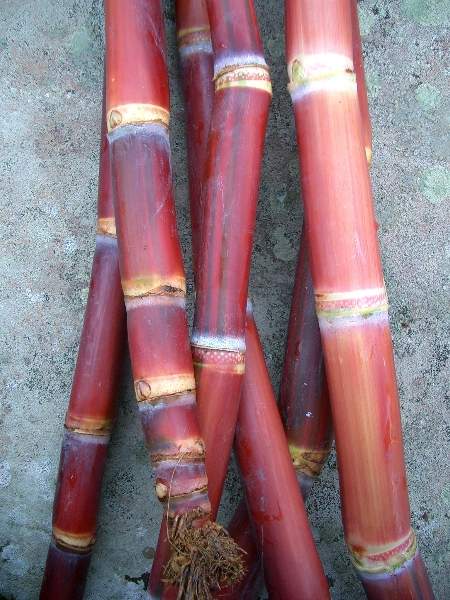
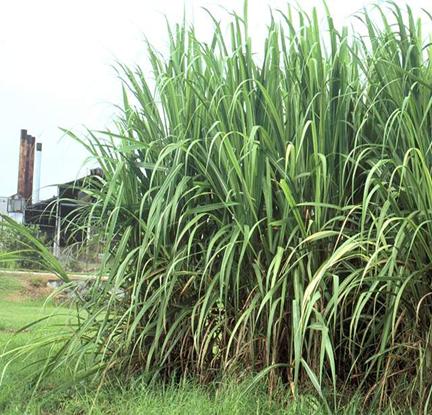
Botanical Description: This is a shrub which usually grows near the banks of rivers and survives for many years. It appears like sugarcane. Stalk – is 3 to 4 mtrs, long and is divided into many segments by small tubers. Each segment is long and slender.
Leaves – thin, flat, Ito 1.5mtrs. long and 6 to 9 cms. broad, f
lowers – slightly brownish but white on drying, flowering occurs in spring. Fibres obtained from the stalk and leaves are uesd in making threads and strings.
Varieties : Two – U Bhadramunja. which is described here and 2) Munja. smaller than the first variety.
Habitat : All over India especially in Bihar and Bengal.
Properties:
Guna: laghu. snigdha.
Rasa: madhur. kashaya;
Vipaka : madur;
Virya : sheeta:
Dosha:tridoshashamak.
Uses : Water boiled with khara is given in excessive thirst. It is also used in bleeding disorders. dysuria, burning sensation, eye disorders. leucorrhoea, erysepelas etc. It is also useful as a galactogogue and aphrodisiac.
Dose : Decoction of root – 50 to 100 ml.
Formulation : Trunapanchamoola.
S. officinarum
Srotogamitva:
Dosha: Tridoshashamak.
Dhatu : Rakta (bleeding disorders, burning sensation, menorrhagia, erysepelas), rasa (galactogogue), shukra.
Mala : Mutra (dysuria).