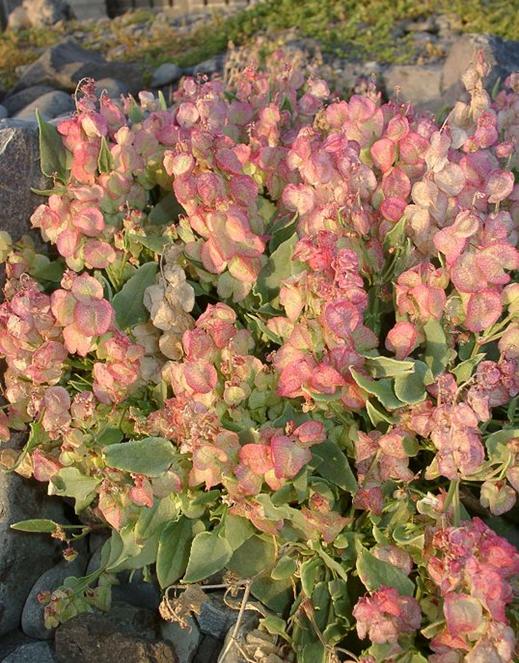
Botanical Name: Rumex vesicarius Linn.
Family: Polygonaceae
Introduction:
This plant mainly using in North India, some authors considered as this plant is ‘amlavetasa’.
Polygonaceae (Poly = many, gona = angle).
Latin name: Rumex Latin name — Duck, sorrel; vesicarius bladdered.
English name: Country sorrel. Scientific classification: Sorrel belongs to the family Polygonaceae. Garden sorrel, or sour dock, is classified asRumex acetosa and sheep sorrel as Rumex acetosella.
Sanskrit names: Chukram, Chukrika, Patramla, Rochani Shatvedhani.
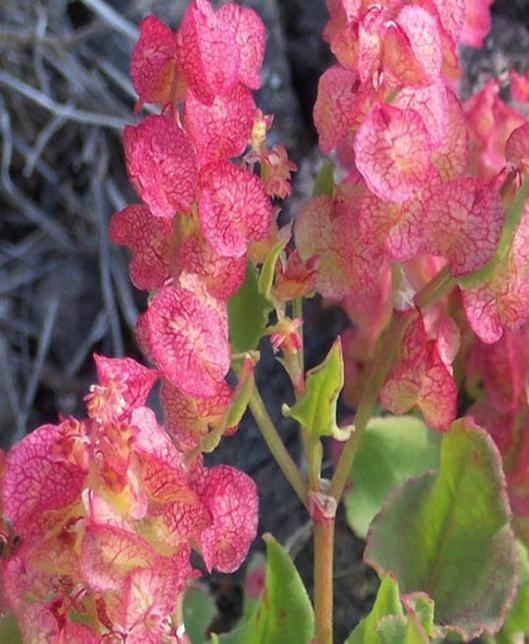
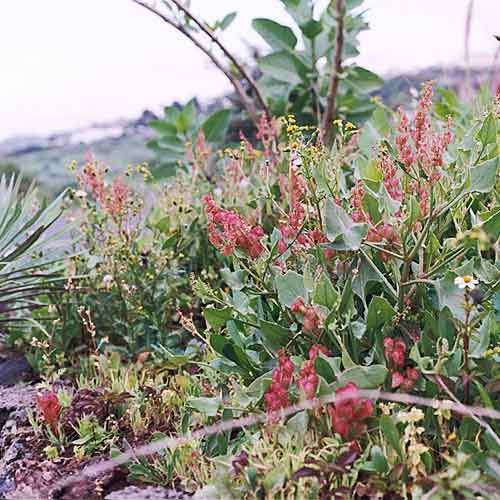
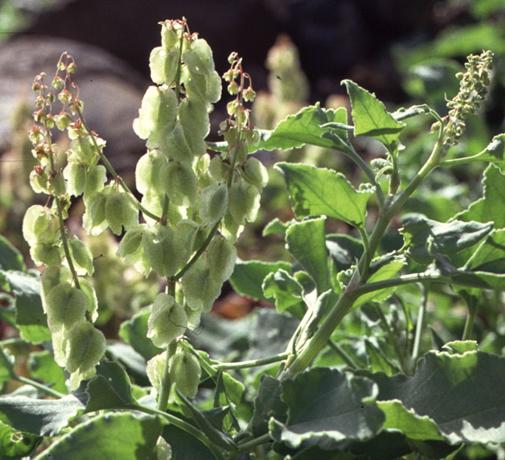
Botanical Description: An annual herb growing 15 – 30 cm. high. Leaves — egg-shaped, 2.5to 7.5 cm in length, showing 3 – 5 veins. Fruits — small, white or brownish containing very small seeds. It is used commonly as a vegetable. Another variety found in -the Himalayas is known as chulmora (Rumex hastet)..
Habitat: In the hilly areas of India.
Properties:
Guna: laghu, ruksha;
Rasa: amla, madhur,
Vipaka: amla;
Virya: ushna;-
Dosha: vatashamak, kaphapittavardhak.
Seed: pittashamak (slimmy and sita).
External uses: Useful as an analgesic, anti-inflammatory and antitoxic (scorpion bite). Leaf juice is used for gargles in toothache.
Internal uses: Leaves are appetizer, digestive, purgative and liver stimulant but seeds are snehana arid cónstipative. Therefore leaves are used for loss of taste, thirst, nausea, loss of appetite, jaundice,
tumour. colic and piles whereas seeds are used in dysentery along with isabgol. Seeds are also very useful in dysuria and burning micturation. Juice of the leaves is used in palpitation.
Dose: Juice of whole plant — 10 to 20 ml.; seed powder — 3 to 5 grns.
Srotogamitva:
Dosha: Vataghna, kaphapittavardhak (seed — pittashamak).
Dhatu: (Leaves) Rakta (jaundice, liver stimulant).
Mala: Mutra (dysuria, purisha -bhedan).
Organ: Heart (palpitations).