Botanical Name: Prosopis spicigera Linn.
Family: Mimosaceae
Introduction:
Latin name: Prosopis = butter burr.; specigera = bearing spikes.
Names in different Indian languages
| English | Sponge tree |
|---|---|
| Hindi | |
| Kannada | |
| Malayalam | Vanni |
| Sanskrit | Shami |
| Tamil | Kalisam, seemaimullu |
| Telugu | |
| Unani | |
| Folk |
Synonyms
Shami, Tungaa, Keshahantri, Shankuphalaa
Prosopis cineraria Druce.
Classification according to Charaka, Susrutha & Vagbhata
| Charaka | |
|---|---|
| Susrutha | |
| Vagbhata |
Varieties & adulterants – (CV – controversy, AD – adulterants)
Morphology
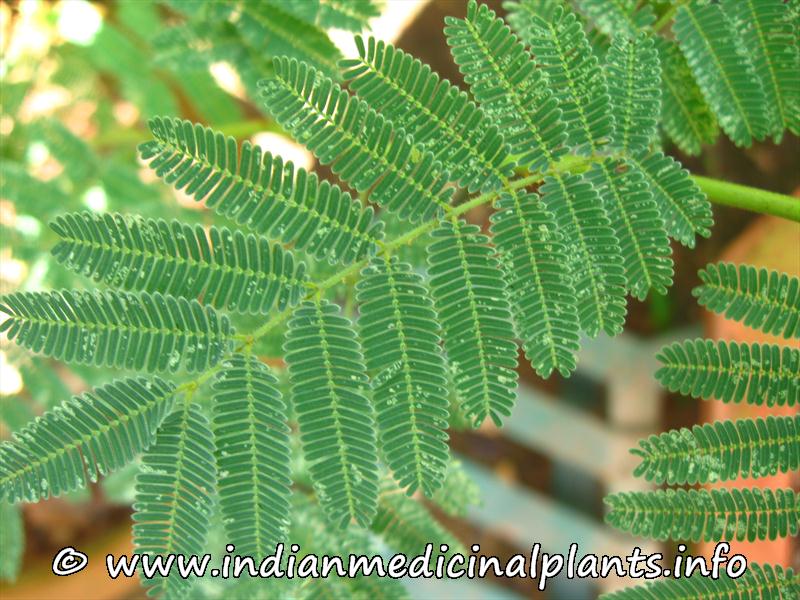
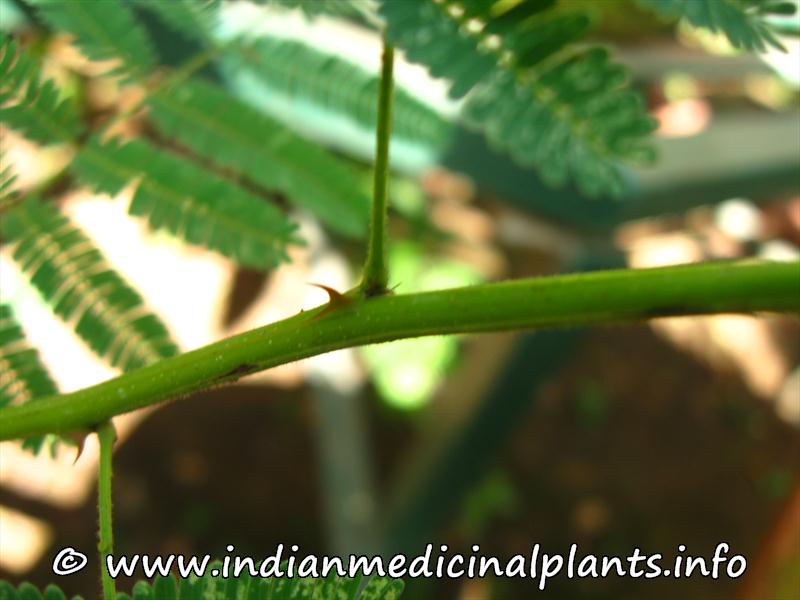
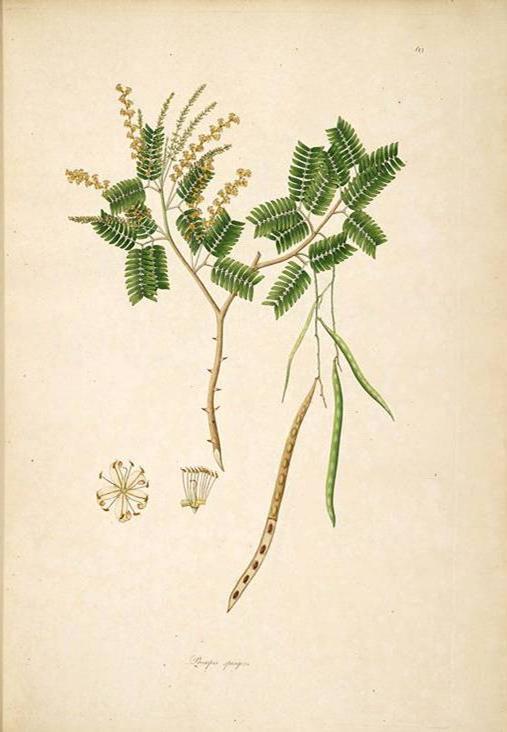
The tree is of medium height and bears spikes. Bark is white externally but yellow inside. Branches slanting downwards.
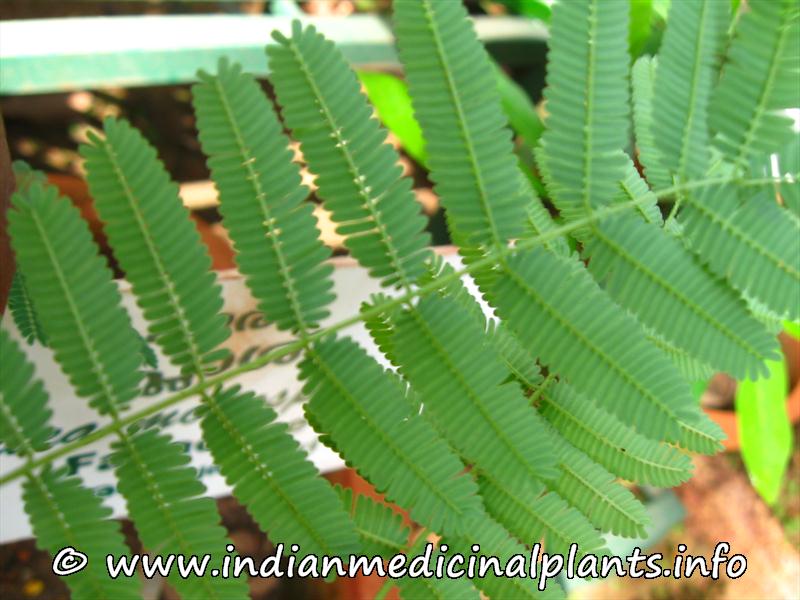
Leaves – bearing 8-10 leaflets.
Flowers – yellow. Legume 10-15 cm. long bearing seeds. Raw legume is used as vegetable in Punjab and Rajasthan
Distribution & Habitat
Dry forests
Chemical constituents:
vitamin K, n-octacosyl acetate, patulibin
Properties:
RASA-
GUNA–
VIRYA–
VIPAKA–
Pravava: vishaghna
Karma –
astringent, pectoral, demulcent, antiinflammatory, antirheumatic.
Srotogamitva:
Dosha: Kaphaghna, pittaghna.
Dhatu: Rakta (haemetemesis, vertigo, dermatitis).
Mala: Stool (astringent), keshaghna .(fruit).
Organ: Respiratory tract (bronchitis), rheumatoid arthritis.
Specific use: Bark is used for application on scorpion bite
Indication:
Miscarriage, insect bite , cough
Part used:
Whole plant
Dosage:
Leaf juice 10-15 ml
Powder 2-4 g
Decoction 50-100 ml
Uses: Bark is used for local application in scorpion bite. It is also useful in conditions like anorexia, diarrhoea, dysentery, piles. haemetemesis, rheumatoid arthritis, bronchitis and skin conditions.