Botanical Name: Plantago ovata Forsk.
Family: Plantaginaceae
Introduction:
Latin name Plantago = having a flat level surface: ovata = egg- shaped as solid as in outlined.
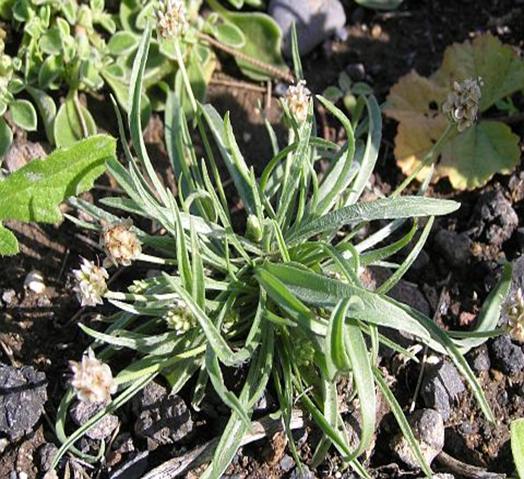
Names in different Indian languages
| English | Ispaghula, Spogel seeds, Blond Psyllium, Isabgol |
|---|---|
| Hindi | Isabgol |
| Kannada | Isabagolu |
| Malayalam | Snigddajirakam, Ispaghal |
| Sanskrit | Ashvagola, snighdabeeja |
| Tamil | Ishogol , iskol |
| Telugu | Isapgaluvittulu |
| Unani | Aspaghol |
| Folk |
Synonyms
Ashvagola. Ashwakarna, snigdha jiraka
Plantago ispaghula Roxb
Classification according to Charaka, Susrutha & Vagbhata
| Charaka | |
|---|---|
| Susrutha | |
| Vagbhata |
Varieties & adulterants – (CV – controversy, AD – adulterants)
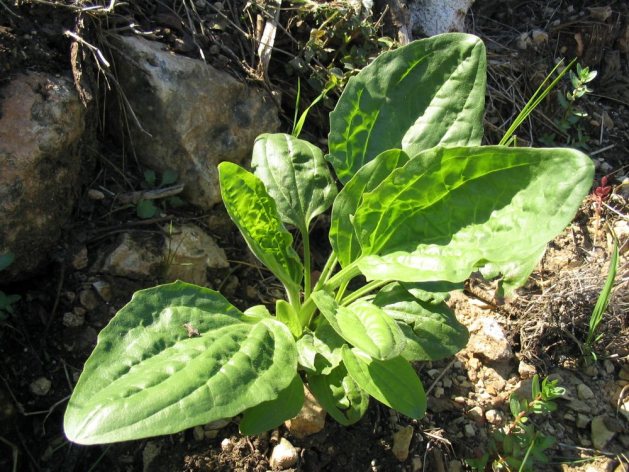
Plantago major
Morphology
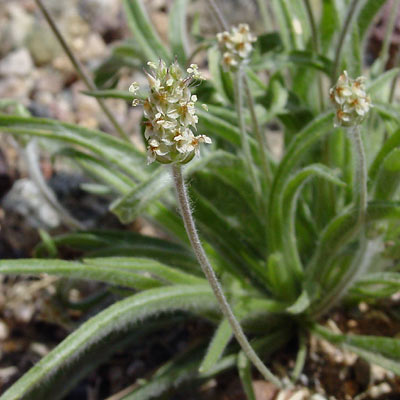
A annual herb
Leaves – simple, narrow, long, slender with three prominent veins-
Flowers – spike each gonad containing single seed.
The seeds are light pink and resemble a boat or the ear of a horse The moment they are immersed in water a gelatinous mucilage is formed.
Varieties : 1. white 2. red and 3. black (black should not be used for medicinal purpose).
Distribution & Habitat
Cultivated in dry region
Chemical constituents:
valine, alanine, glutamic acid, glycine, cystine, lysine, leucine , tyrosine, xylose, arabinose, abundant in sticky mucilage
Properties:
Guna snigdha, guru, picchila;
Rasa madhur;
Veerya sheeta:
Vipaka : madhura
Karma –
laxative,diuretic, demulcent, bechic, cholinergic, hepatotoxic
Srotogamitva:
Dosha Vatapittaghna, kaphavardhak.
Dhatu Raktamansa protects ulcers).
Mala Purisha.
Organ : Digestive system, respiratory system
Indication:
Hypercholesterolemia, constipation
Part used:
seeds
Dosage:
Powder 1-2 g
uses:
External uses Anti-inflammatory, useful in headaches, oedema and boils
Internal uses b mild laxative, anthelmintic; antidote, cures ulcers. Roasted seeds are constipative due to loss of mucilaginous property. Seeds fried with ghee are useful in diarrhoea and dysentery. Also useful in dry cough, uremia, gonorrhea and fever (pitta jvara). Seeds are useful in chronic ‘dysentery while powder in acute dysentery.