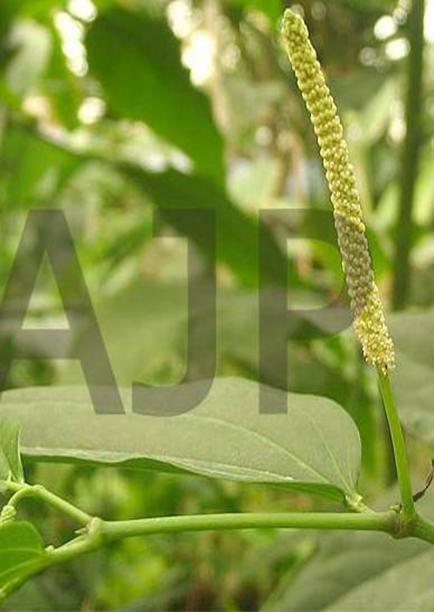
Botanical Name: Piper nigrum Linn.
Family: Piperaceae
Introduction:
Maricha used as appetizer, carminative and anti-microbial also used in kitchens. There have white Varity that describing in Samhitas it may be the seeds of M.pterygosperma.
Scientific classification: Peppers make up the family Piperaceae of the order Piperales. Its representative genus is Piper. Pepper elders constitute the genus Peperomia. The pepper plant is classified as Piper nigrum. Chili and sweet peppers are derived from plants of the genus Capsicum, of the family Solanaceae. The Polynesian beverage kava is produced from the plant classified as Piper methysticum. The lizard's-tail family is Saururaceae. The yerba mansa is classified as Anemopsis californica. The other family in the order Piperales is Chloranthaceae
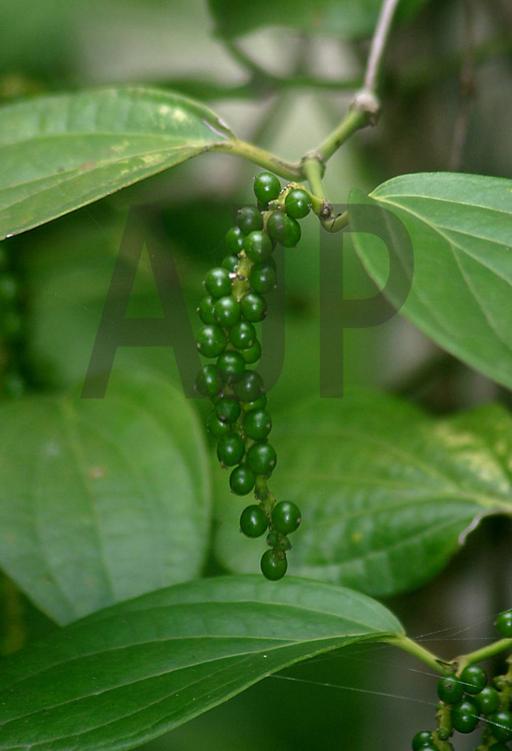
Names in different Indian languages
| Hindi | Kali Mirchi |
|---|---|
| Telugu | Miriyalu |
| Tamil | Milaku, marisam |
| English | Black pepper |
| Marathi | Mirin |
| Gujrati | Kalamari |
| Bengali | Golmarich |
| Kannada | Karemanesu, ollimonasu, miri |
| Malayalam | Kurumulaku |
| Sanskrit | Maricha |
| Unani | Filfil Siyaah, Safed |
Synonyms
Vellaja,
Uushna, Suvrrita, Krishnaa.
Classification according to Charaka, Susrutha & Vagbhata
| Charaka | Dipaniya, sulaprasamana, Krimighna, sirovirecanopaga |
|---|---|
| Susrutha | Pippalyãdi, Tryusana |
| Vagbhata | Pippalyãdi (AS.); Vatsakãdi (A.H.) |
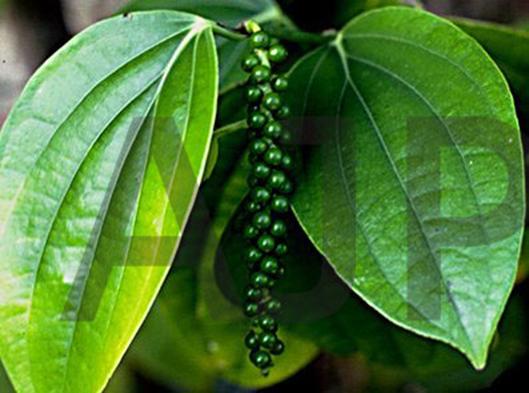
Varieties & adulterants – (CV – controversy, AD – adulterants)
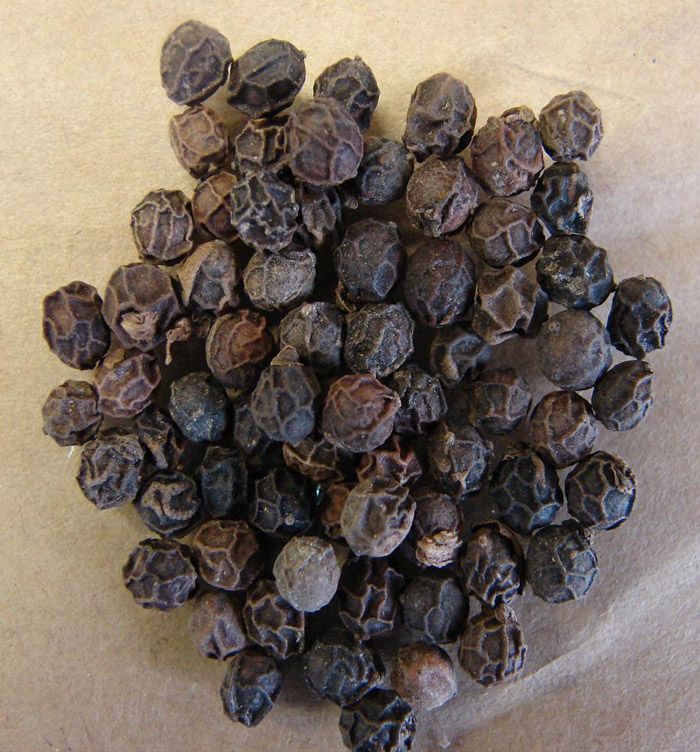
1.black – processed
2. white – un-processed
3.Ksupaja Marica – unknown
4. Sveta(white) seeds of M.pterygosperma. [CV]
Piper alba
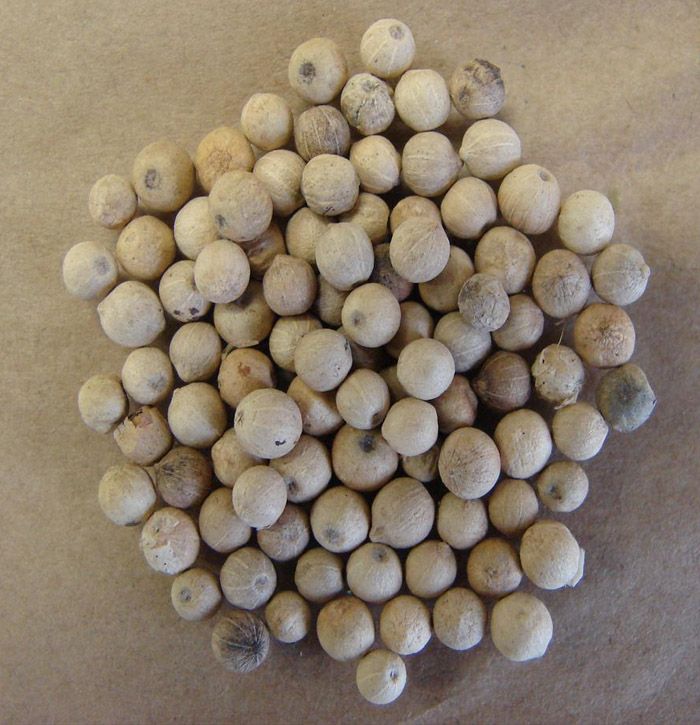
Morphology
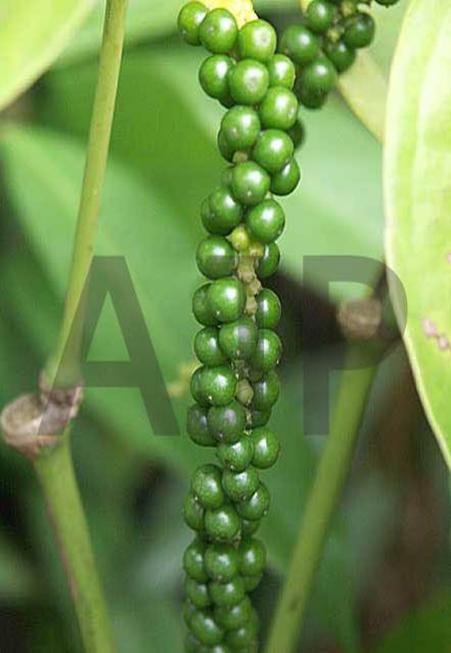
A branching & climbing perennial shrub. Branches stout, trailing and rooting at the nodes.
Leaves— simple, entire, 12.5-17.5 cm x 5.0-12.5 cm. glaucous beneath base acute, cordate.
Flowers— minute, borne in spike, usually dioecious, but the female often bears anthers and the male a pistillode. Fruiting spikes variable in length and rachis glabrous.
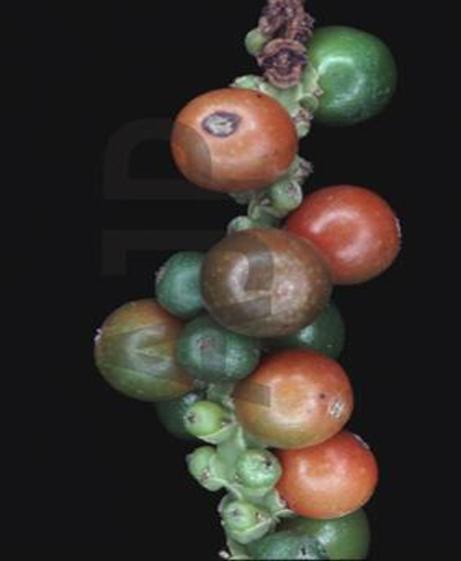
Fruits – globes or avoid, one seeded, bright red when ripe.
Seeds— globose, testa thin, perisperm hard
Flowers in rainy season and fruits in autumn.
Habitat & Distribution
Mainly south-western India. Cultivated in Assam, Karnataka, Maharashtra and Kerala.
Chemical Constituents
Piperene, piperethint, piperolein A & B, feruperine, dihydroferuperine, citronellol, cryptone. dihydrocarveol, beta – pinene, piperonal. camphene, beta-caryophyllene. Beta -alanine, pipecolic acid, carotene, ascorbic acid, pipercide etc.
Properties—
Rasa Katu
Guna Laghu. Tikshna
Virya Usna
Vipäka Katu
Karma Kapha-vatahara, Avrsya. Dipana,pachana,krimighna, kasaghna
Carminative, anti periodic, digestive, anthelmintic, stomachic, diuretic, Stimulant, anticholerin, sialagogue, bechic, antiasthmatic.
Indications— Pinasa, Kãsa, Pravahiak, Hrdroga, Krimi, sväsa, süla.
Useful in arthritis, asthma, fever, cough, catarrh, haemorrhoids, dysentery, dyspepsia, flatulence, indigestion
Part Used— Fruit .
Dosage— Powder 0.5-1 g.
Important Yogas or Formations
Maha Marcyãdi taila, Maricyãdi taila, Teka rãja Marica, Agnitundivati, Maricyãdi cürna
Important research work going on
(1) anti bacterial property
(2) Anti aconitum activity
(3) anti viral activity
(4) antifungal property
(5) insecticidal activity
(6) antitumor action