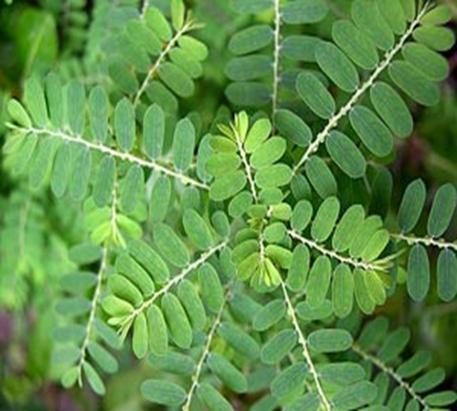
Botanical Name: Phyllanthus amarus Schum. &Thonn.
Family: Euphorbiaceae
Introduction:
Latin name: Phyllanthus phyllus = leaved anthus; urinaria (or niruri).
Bhumyamalaki is very useful in kamala and urinary disorders caused by pitta. it restores the natural colour of the urine in paitik ( diabetes) meha.
Names in different Indian languages
| English | |
|---|---|
| Hindi | Jamgli amli, jaramla |
| Kannada | Kirunelli |
| Malayalam | Kitarnelli, kizhanelli |
| Sanskrit | Bhumyamalaki, tamalaki |
| Tamil | Kilanelli |
| Telugu | Nela usirika |
| Unani | Bhui Aaamalaa |
| Folk |
Synonyms
Bhuumyaamalaki, Bhuudhaatri, Bahuphalaa, Vrushya. Bhudhatri. Vishwaparni. Bindupatri, Bahuveerya, Tamalaki, Uttama, Bahuputra, Shiva
Phyllanthus fraternus Webster.
Classification according to Charaka, Susrutha & Vagbhata
| Charaka | |
|---|---|
| Susrutha | |
| Vagbhata |
Varieties & adulterants – (CV – controversy, AD – adulterants)
Phyllanthus niruri Linn. – related species
Morphology
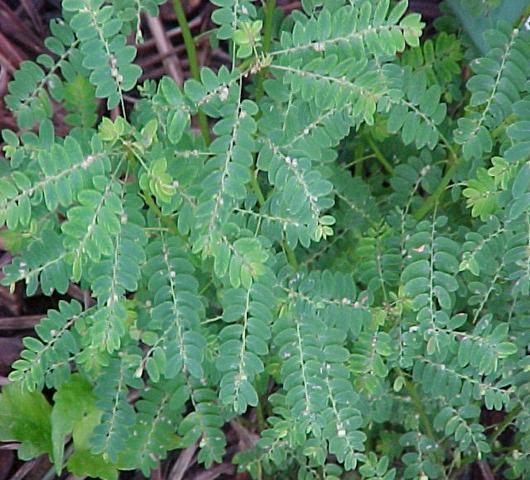
Perennial herb, 18 to 24 cm. in height.
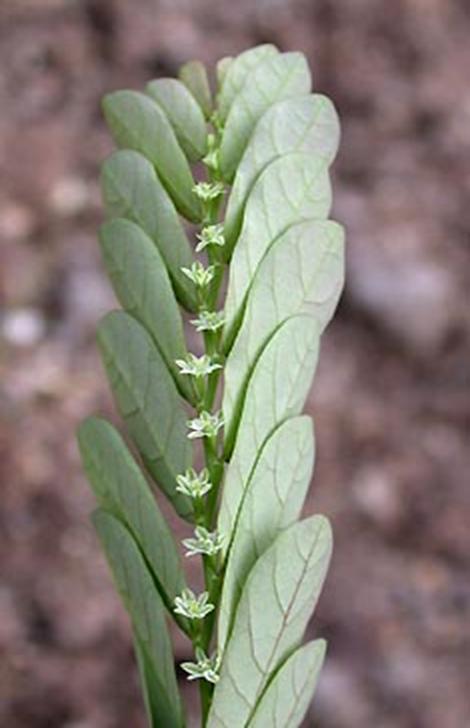
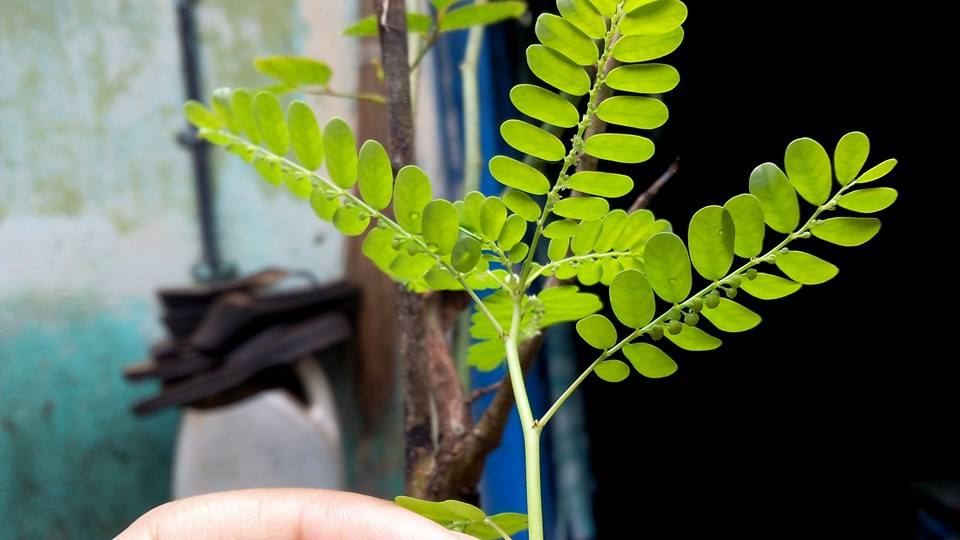
Leaves – small, bearing leaflets.
Flowers – yellow. Fruits – grow on the under surface of the leaves, like Emblica officinalis, and are tripartate.
Seeds – whitish, tender. The shrub grows in rainy season, flowering occurs in autumn followed by fruiting.
Varieties: – 1) white and 2) brown. -The branches of the brown variety are brown in colour.
Distribution & Habitat
Throughout India
Chemical constituents:
quercetin, quercitrin, astragalin, rutin, kaempferol.
Properties:
Guna: laghu, ruksha;
Rasa: tikta, kashaya,
Vipaka: madhur;
Virya: sita ;
Karma –
Rochani, mutrala
diuretic, deobstruent, astringent, anti-inflammatory,
Srotogamitva:
Dosha: Kaphapittaghna.
Dhatu: Asthi (in fractures). rasa (appetizer, digestive). rakta (stimulates liver), useful in menorrhagia. bleeding disorders, cough and asthma.
Mala: Purisha (constipative, urine (dysuria )pyuria.
Indication:
Kamala, mutra dosha, pandu, kusta, kandu
Jaundice, dyspepsia, indigestion, chronic dysentery, urinary tract diseases, diabetes
Part used:
Whole plant
Dosage:
Leaf juice 10-15 ml
Powder 2-4 g
Decoction 50-100 ml
uses:
External uses: Paste of the leaves is applied on wound, oedema and dermatitis, Paste prepared from leaves crushed with salt is used in fractures for external application. An application of bhumyamaláki roots + rice water , it is useful in eye diseases. Nasya of the juice of roots mixed with sugar is used for hiccups.
Internal uses: It is an appetizer. digestive, liver stimulant, laxative. carminative and alleviates thirst. It is therefore useful in diarrhoea and dysentery. It is useful in bleeding disorders since it is raktagulma and kaphapittashamak Seed + rice water is useful in menorrhagia, leucorrhoea. dysuria. diabetes:skin diseases, chronic malarial lever and hepatic splenomegaly.