Botanical Name: Phaseolus sublobatus (Roxb.) Verdc.
Family: Papilionaceae; Fabaceae
Introduction:
It is wild variety of maasha
Names in different Indian languages
| English | Wild black gram |
|---|---|
| Hindi | Banurd |
| Kannada | Kadu uddu |
| Malayalam | Kattuzhunn |
| Sanskrit | Masaparni |
| Tamil | Kattu uzhunnu |
| Telugu | Adavi uddulu |
| Unani | |
| Folk |
Synonyms
Krishnavrinta, Kamboji.Hayapucchika, Mansamasha, Sinhamukhi,Swadumasha, Mahasaha. Ardramasha. Sinhavinna
Vinga radiata
Classification according to Charaka, Susrutha & Vagbhata
| Charaka | |
|---|---|
| Susrutha | |
| Vagbhata |
Varieties & adulterants – (CV – controversy, AD – adulterants)
Morphology
It is a creeper
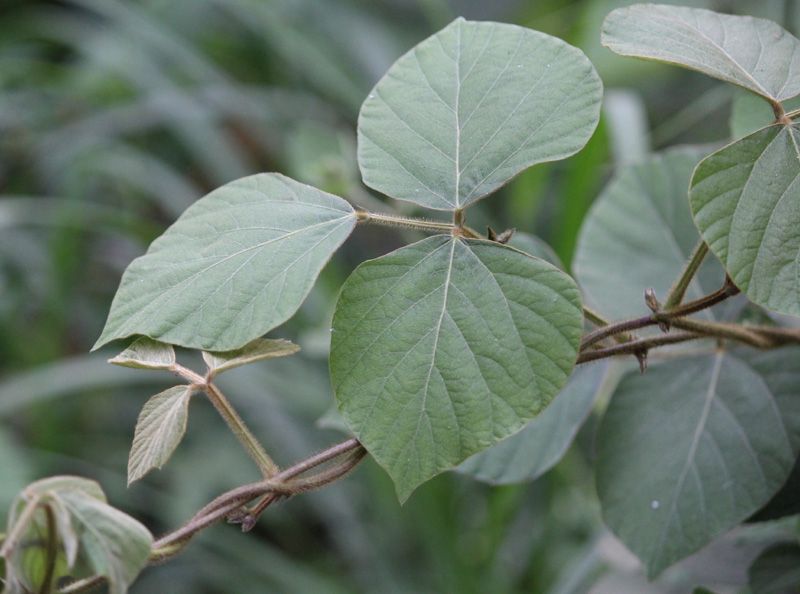
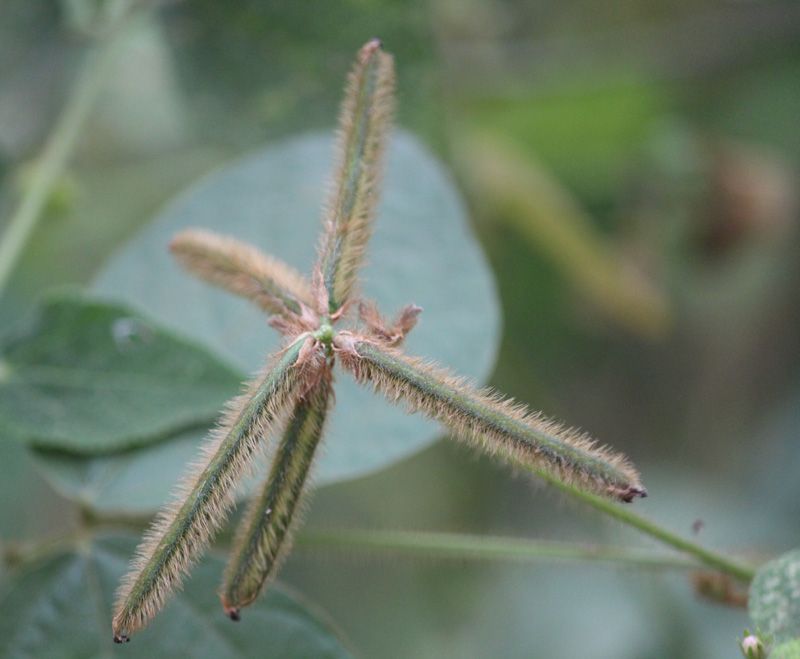
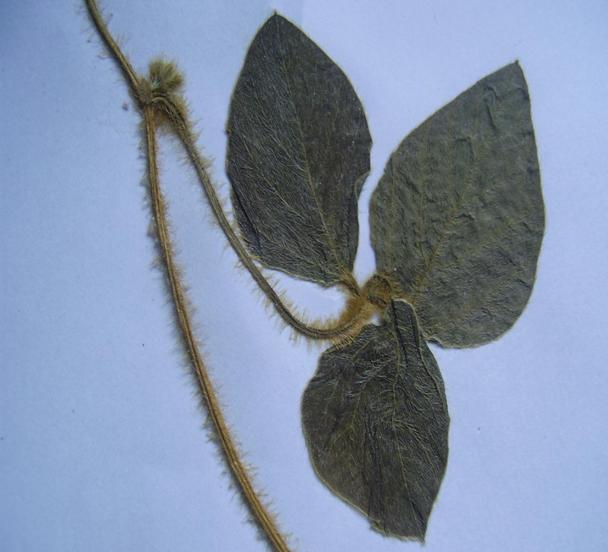
. Leaves – 2 to 4 cms. long, compound and trifoliate. Leaflets – oval shaped. flower stalk – bears yellowish flowers. Legume – 3 to 6 cms. long, slightly crooked containing 8 to 10 seeds.
Distribution & Habitat
Throughout India
Chemical constituents:
friedelin, epifriedelin, stigmasterol , tannins
Properties:
Guna: laghu, snigdha;
Rasa : madhur. tikta;
Vipaka: madhur;
Virya : sheeta:
Karma –
Balyam, vrishyam,
carminative, digestive, astingent,cooling, diuretic,
Srotogamitva:
Dosha : Vatapittaghna, kaphavardhak.
Dhatu : Rakta (bleeding disorders), shukra (spermatorrhoea and aphrodisiac), rasayan.
Mala : Purisha (astringent).
Organs : Joints, brain and intestines.
Indication:
Raktapitta, ksaya, kasa, jwara
fever, skin disease, cough, piles, leucorrhoea,vomiting, dysentery, gout
Part used:
Whole plant
Dosage:
Leaf juice 10-15 ml
Powder 2-4 g
Decoction 50-100 ml
use: It is used in the treatment of Bell’s palsy, hemiplegia, rheumatoid arthritis, bleeding disorders, abdominal colic, spermatorrhoea. burning sensation and pthisis. Charak has advised to feed the cow with leaves of mashaparni and to consume cow’s milk as an aphrodisiac. Parts used : Whole plant and roots. Usually mudgaparni and mashaparni are used in combination.