Botanical Name: Ophiorrhiza mungos Linn.
Family: Rubiaceae
Introduction:
In folk this plant used for snake bite
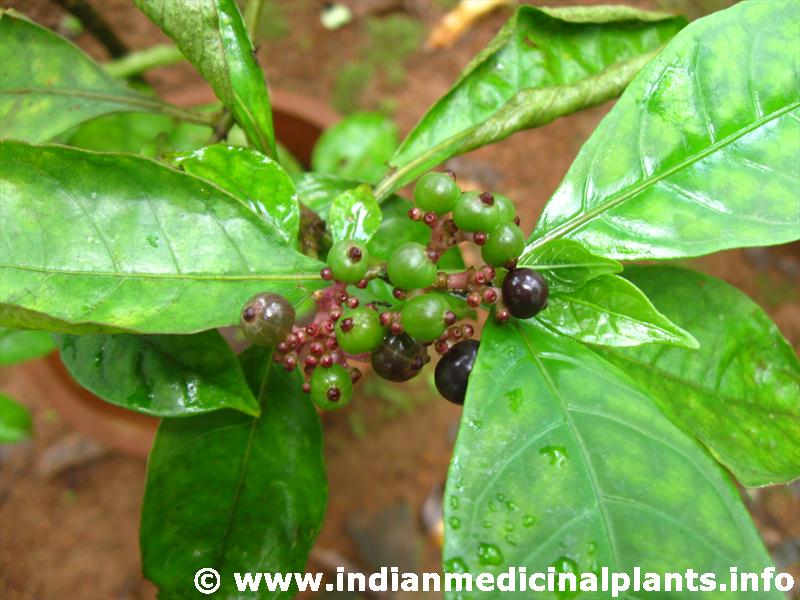
Names in different Indian languages
| English | Mongoose Plant, Indian snake root |
|---|---|
| Hindi | Sarhati |
| Kannada | Patalagaruda |
| Malayalam | Avilpori, katamal pori |
| Sanskrit | Sarpaksi, sarpari |
| Tamil | Keerippundu |
| Telugu | Sarpasicettu |
| Unani | |
| Folk |
Synonyms
Classification according to Charaka, Susrutha & Vagbhata
| Charaka | |
|---|---|
| Susrutha | |
| Vagbhata |
Varieties & adulterants – (CV – controversy, AD – adulterants)
Gandhanaakuli – CV , it considered as Aristolochia indica
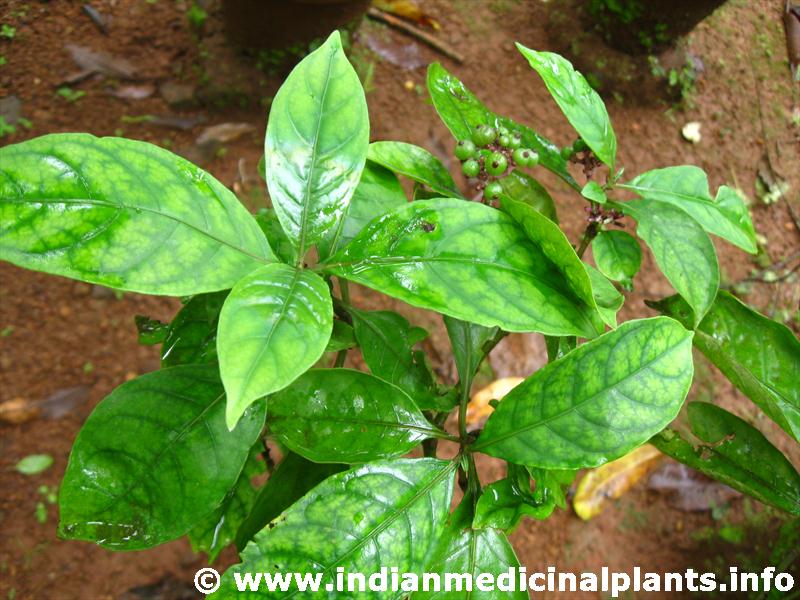
Morphology
It is a shrub, grows 50-80 cm height,
Leaves – simple, opposite, lanceolate
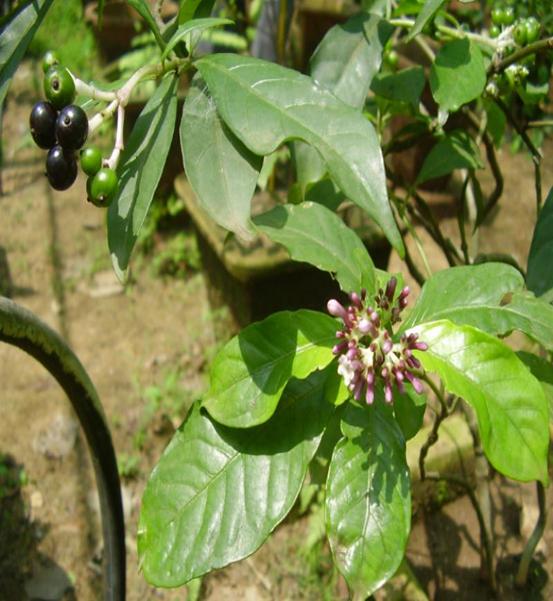
Flower – white-pink, cymes
Fruit – capsule
Distribution & Habitat
All over India mainly Western Ghats and the Andaman Islands
Chemical constituents:
hydrocyanic acid, Beta-sitosterol, alpha-ergost
Properties:
RASA-katu, tikta
GUNA-laghu
VIRYA-ushna
VIPAKA-katu
Karma –krimighna, vranaropana, visaghna
Bitter, laxative, sedative
Srotogamitva:
Dosha : kapha pittaghna
Dhatu :raktha
Mala :purisha
Organ : skin
Indication:
Krimi, vrana, visha,
Ulcer, leprosy, snake poison, worms
Part used:
Root
Dosage:
Powder 2-4 g
Decoction 50-100 ml
Therapeutic Uses:
- Root decoction useful in cleaning ulcerative wounds.
Descriptions on Ayurveda books / Nighandu:
1.
2
3
4
5
6