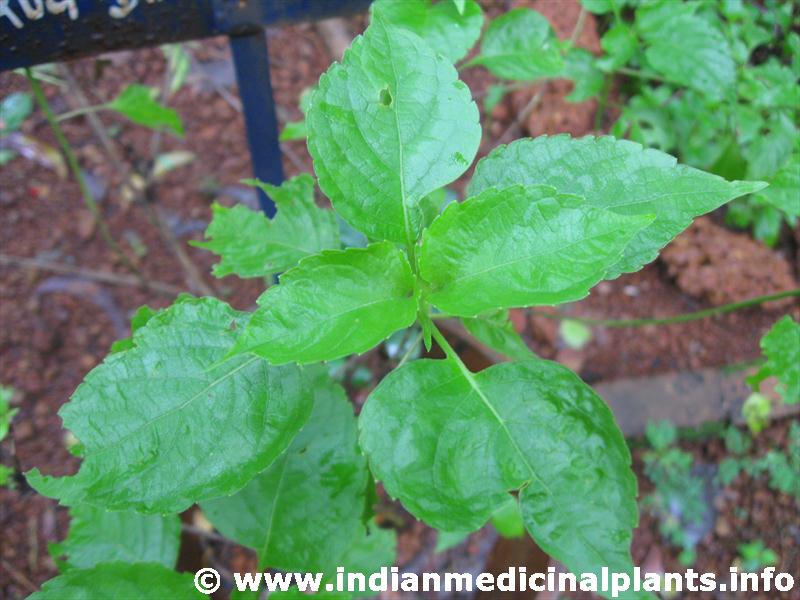
Botanical Name: Ocimum gratissimum Linn.
Family: Labiatae; Lamiaceae
Introduction:
Its properties are similar to Ocimum tenuiiflorum
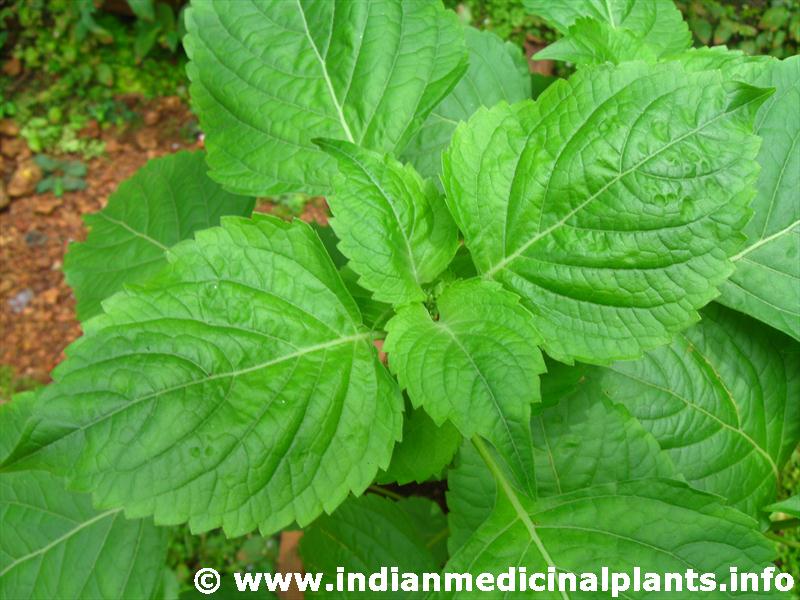
Names in different Indian languages
| English | Lemon basil, tea bush, Shrubby Basil. |
|---|---|
| Hindi | |
| Kannada | |
| Malayalam | Attuthulsi , malatulsi |
| Sanskrit | Vriddha Tulasi |
| Tamil | Elumicha-Tulasi, Peria Tulasi |
| Telugu | |
| Unani | |
| Folk |
Synonyms
Raam-Tulasi, Raan-Tulasi, aranyatulsi ,bhrihatulasi
Classification according to Charaka, Susrutha & Vagbhata
| Charaka | |
|---|---|
| Susrutha | |
| Vagbhata |
Varieties & adulterants – (CV – controversy, AD – adulterants)
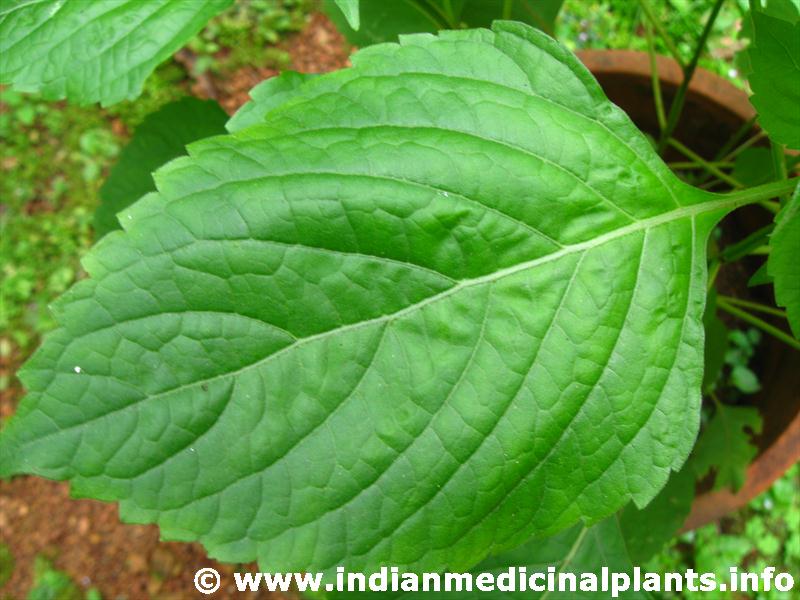
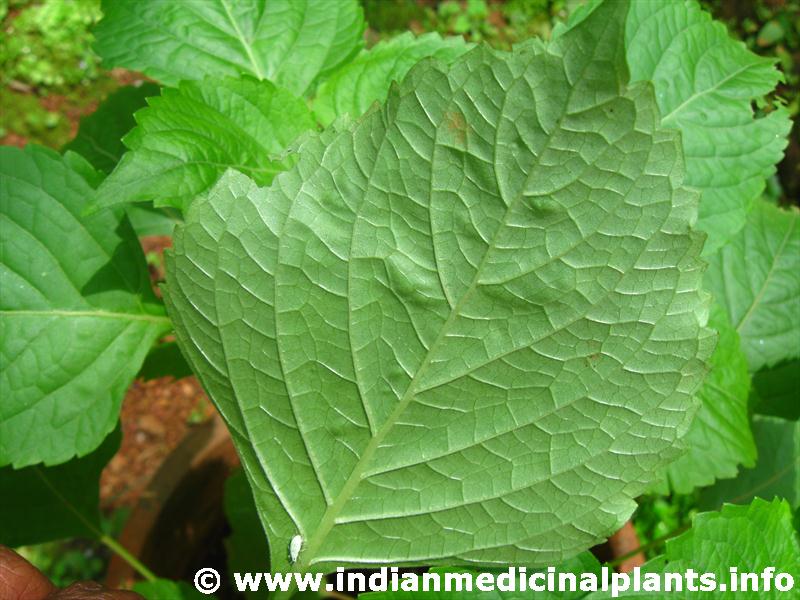
Morphology
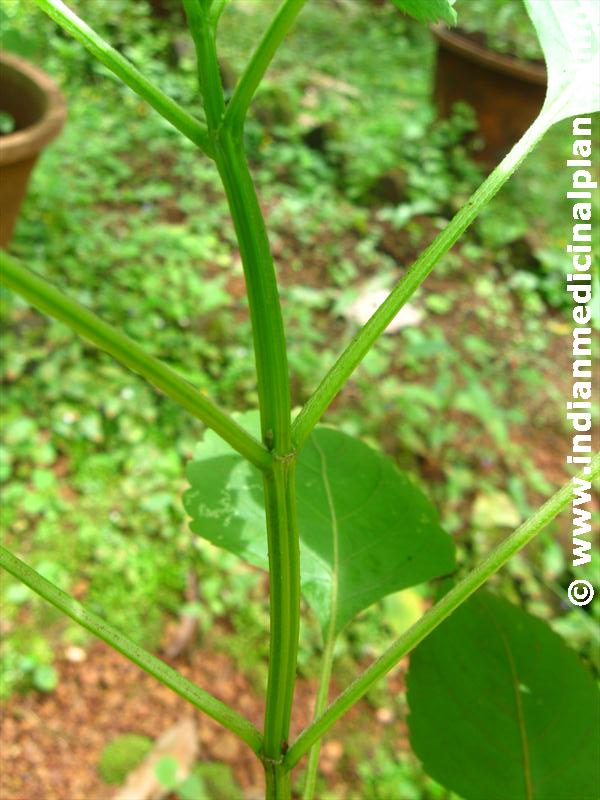
Branched, aromatic under shrub 30-50 cm high, sometimes woody, hairy.
Leaves—simple, opposite, ovate, serrate, obtuse or acute, – entire or subserrate. Petioles slender hairy
Flowers— very small,yellow,borne in terminal and axillary racemes.
Fruits— subglobose or broadly oblong nutlets.
Flowers and fruits almost throughout the year (mainly during September-February).
Distribution & Habitat
All over India
Chemical constituents:
Clocimum, eugenol,methyl eugenol, eugenol acetate
Properties:
Its properties are similar to Ocimum tenuiiflorum
Special indication
constipation, cough, fever,nasal catarrh, gonorrhoea with difficult urination.