Botanical Name: Nelumbo nucifera Gaertn.
Family: Nymphaeaceae
Introduction:
Nymphaceae (bears seven coloured lotuses).
Latin name : Nelumbo = Indian name, This was previously known as nelumbtum – neeram = water, biyam = bean; nucifera – nunci = nut, fern bearing. Kamal seed is a tough shelled seed.
Scientific classification: The genus Lotus belongs to the subfamily Papilionoideae, family Fabaceae (formerly Leguminosae). The jujube suggested to be the legendary lotus tree is classified as Ziziphus lotus of the family Rhamnaceae, the nettle tree as Celtis australis of the family Ulmaceae, and the desert shrub as Nitraria tridentata of the family Zygophyllaceae. The unrelated genus of the water lily family, Nymphaeaceae, is Nelumbo. The sacred lotus of Buddhism is classified as Nelumbo nucifera and the American lotus as Nelumbo lutea. The representative water lily genus is Nymphaea of the family Nymphaeaceae. The Egyptian lotus is classified as Nymphaea caeruleaand the Egyptian water lily as Nymphaea lotus.
Names in different Indian languages
| English | East Indian Lotus, Sacred Lotus |
|---|---|
| Hindi | Kamal |
| Kannada | Kamala, tavare |
| Malayalam | Tamara, ventamara, chentamara |
| Sanskrit | Padmam, pankajam, kamalam |
| Tamil | Thaamarai |
| Telugu | Tamara, damara, erratamara |
| Unani | |
| Folk |
Synonyms
Kamala, Padma, Nalina, Aravinda, Jalaja, Raajeeva, Pushkara, Ambuja, Abja, Pankaja. Pundarika (whitish), kokanada (red), Indivara (Bluish).
Nelumbium speciosum Willd.
Classification according to Charaka, Susrutha & Vagbhata
| Charaka | |
|---|---|
| Susrutha | |
| Vagbhata |
Varieties & adulterants – (CV – controversy, AD – adulterants)
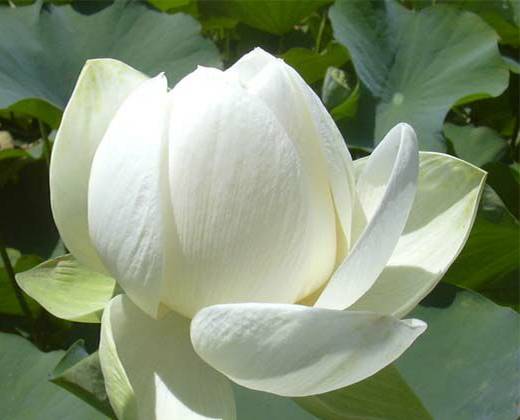
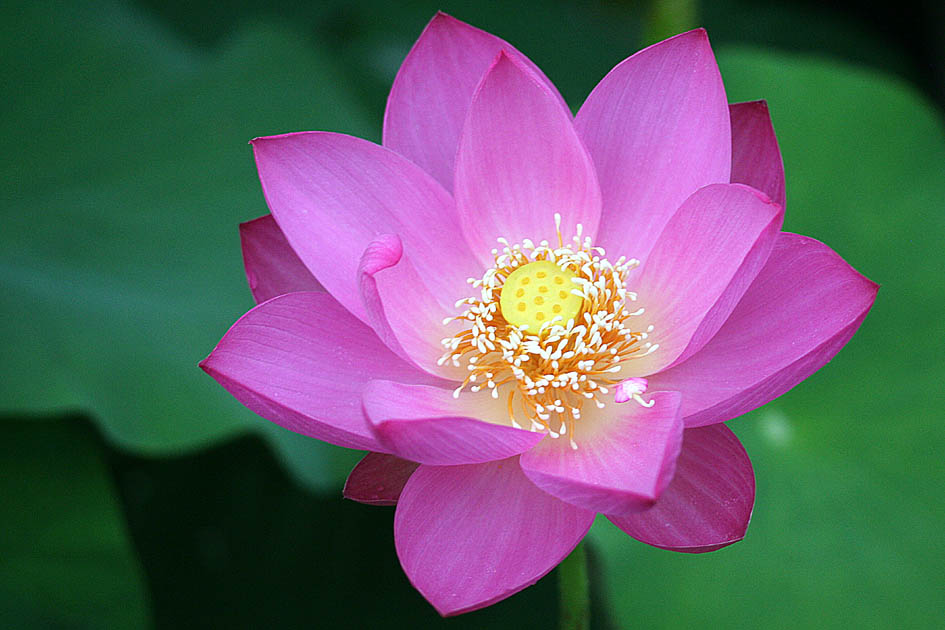
Varieties : There are many varieties of kamal. Among them 3 varieties are important, 1) White. 2) Red (Kokanada) and 3) Blue (lnduvar).
Habitat: All over India, in lakes and waterways.
Morphology
Water is its life. Its root is dipped in mud.
Leaves shiny, round. 30 to 100 cm. in diameter.
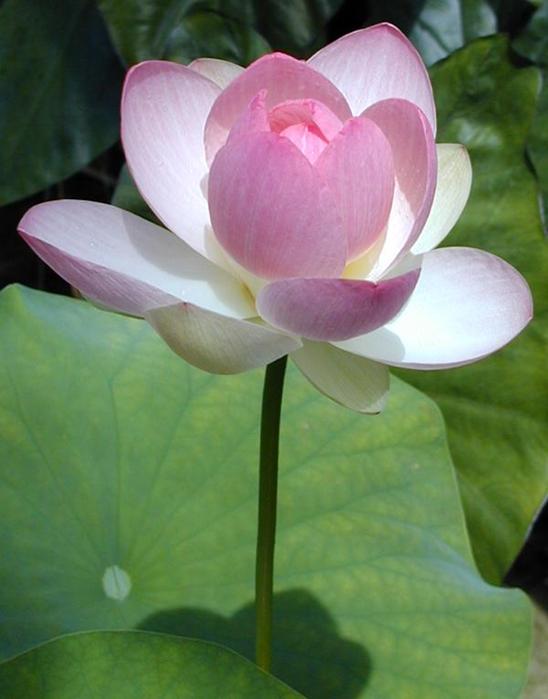
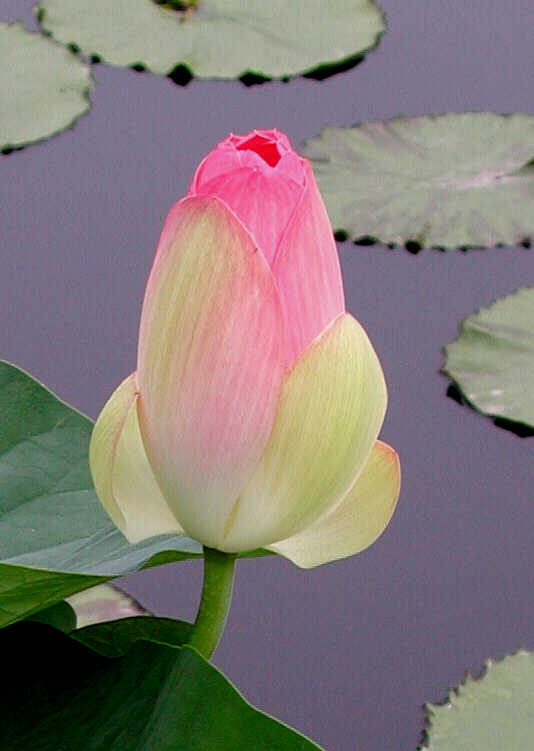
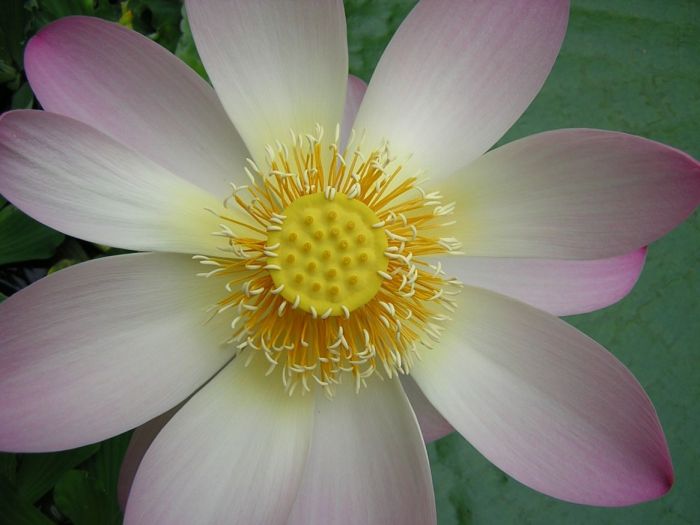
Flowers – white or red. Fragrant having diameter 10 to 15 cms.
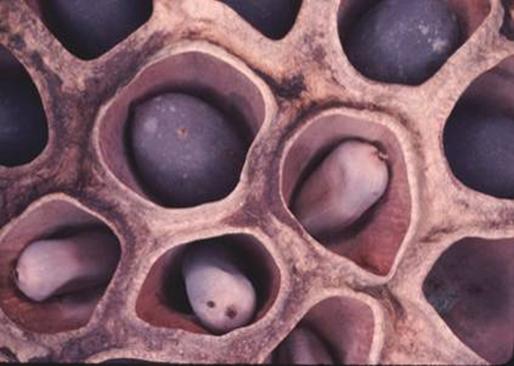
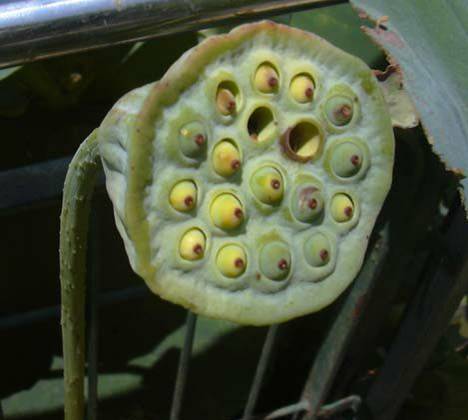
The plant bears flowers at the height of 30 to 35 cms. from the stalk of flower. The ovary is a sponge like compartment containing round and soft seeds of 4 cms length, are known as kamal kakodi.
Flowers bloom in the morning and close in the evening. Kamal has different name to its different parts.
Distribution & Habitat
Throughout India
Chemical constituents:
quercetin, luteolin, glycosides , kaempferol, quercetin, isoquercitrin, leucoanthocyanidin, Isoquinoline alkaloid, nuciferin,
Properties:
Guna : laghu, snigdha, picchila;
Rasa : madhur, kashaya, tikta;
Vipaka : madhur:
Veerya sheeta;
Karma –
Varnyam, vishahara, amadoshaghnam, vrishyam
Astringent, haemostatic, diuretic, antiemetic, cooling
Srotogamitva:
Dosha : Kaphaghna pittaghna; (seeds – fridoshahara),
Dhatu : Rakta (erysipelas, complexion enhancer), rasa, shukra (seeds- aphrodisiac).
Mala: Purisha (seeds- astringent, constipative).
Organ : Uterus (seeds stabilizes the fetus).
Prabhav : Antidote to poisons
Indication:
Daha, tishna, arsas, visha,
bleeding piles, menorrhagia, cholera, fever, strangury, palpitation of heart.
Part used:
Whole plant
Dosage:
Leaf juice 10-15 ml
Powder 2-4 g
Decoction 50-100 ml
Uses: It is a refrigerant, Being a brain Ionic, it enhances the intellectual power and it promotes sleep. It ads as an astringent in vomiting, thirst and diarrhoea associated with bleeding per rectum, Its special function is to protect the heart from excessive heat. As it alleviates pitta, dosha, it is useful in various bleeding disorders It is useful in foetal growth. It plays an extraordinary role in urinary disorders caused due to pitta. high grade fever, toxicity especially in paediatric diseases, in which children become weak
Descriptions on Ayurveda books / Nighandu:
Bisam
Padmakandha
Padma beejam
Padma kesaram
Padma Patram
Padma karnika