Botanical Name: Nardostachys jatamansi (Jones) DC.
Family: Valerianaceae
Introduction:
It used for the insomnia, mental disorders and infectious conditions along with various other drugs.
Scientific classification: Spikenard is produced from Nardostachys jatamansi, of the family Valerianaceae. American spikenard belongs to the family Araliaceae and is classified as Aralia racemosa. False, or wild, spikenard belongs to the family Liliaceae and is classified as Smilacina racemosa.
Names in different Indian languages
| English | Indian Valerian, Indian nard, musk root, spikenard |
|---|---|
| Hindi | Jatamansi |
| Kannada | Jatamansi |
| Malayalam | Jatamansi |
| Sanskrit | Jatamansi, mamsi |
| Tamil | Jatamansi, Tagarai |
| Telugu | Jatamansi |
| Unani | Asaarun, TagarReshewaalaa |
| Folk |
Synonyms
Tagara, Sugandhabaalaa, Kaalaanusaari, Kaalaanusaarikaa, Nata.
Valeriana wallichii DC.
Valeriana jatamansi Jones
Classification according to Charaka, Susrutha & Vagbhata
| Charaka | Sanjaãsthapana, Kandüghna, Tikta skañdha |
|---|---|
| Susrutha | Eläkanãdi gana, Eladigana |
| Vagbhata | Anjanadi gana, Eladigana |
Varieties & adulterants – (CV – controversy, AD – adulterants)
1. jatila – Selenginella rupestris – [CV]
2. Bhutakesi – Gandhamanasi – [CV]
3. Putanakesi – [CV]
4. Gandhamanasi – Selinum tenuirolium
5. Akasa manasi
6.Sadharana manasi
7.Sugandha manasi
8.Suksa manasi
Morphology
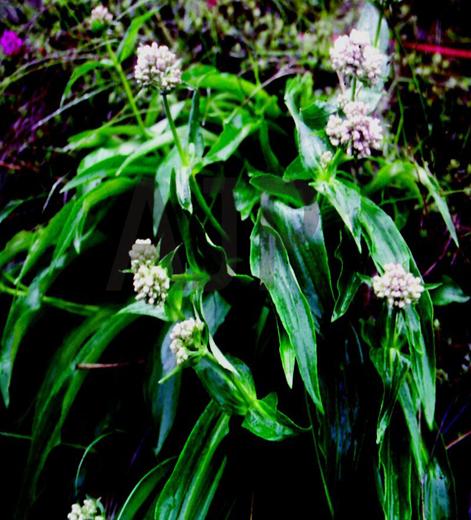
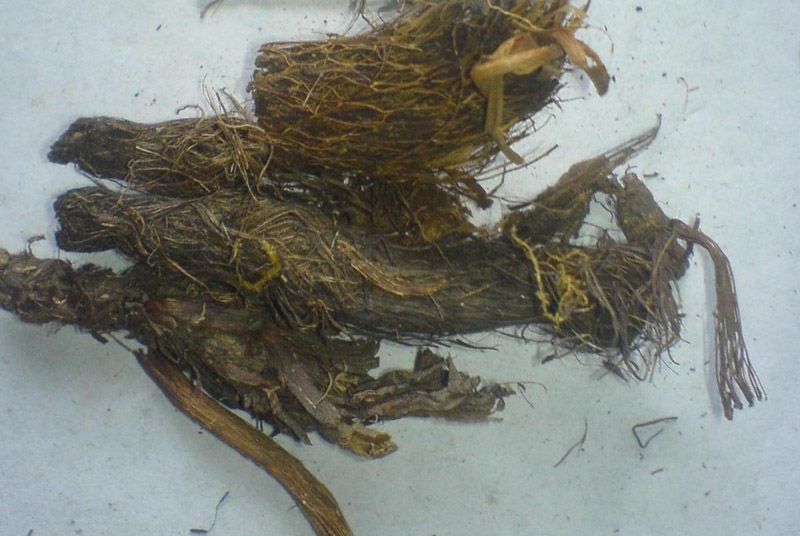
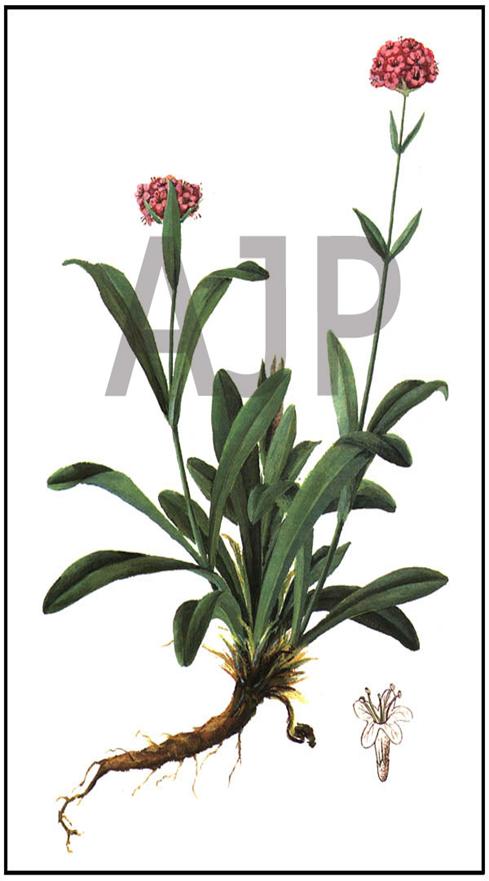
An erect perennial herb, 10-50 cm n height, with woody, long, stout root-stock covered with reddish brown fibres of radical leaves
Stem- 10-60 cm, pubescent upwards, glabrate, below, subscapose.
Leaves: Radical, longitudinally nerved, elongated, spathulate, sessile, oblong or subovate,glabrous, slightly pubescent. Radical leaves 15-20 x2.5 cm; cauline 1-2 pairs, 3-6. cm. long.
Root stock woody, long, stout, covered with fibers.
Flower- Rosy, pale pink or blue, in dense cyme, usually 1,3 or 5 bracts 5 mm. oblong,
Fruit- 4 mm long, covered with ascending white hairs.
Distribution & Habitat
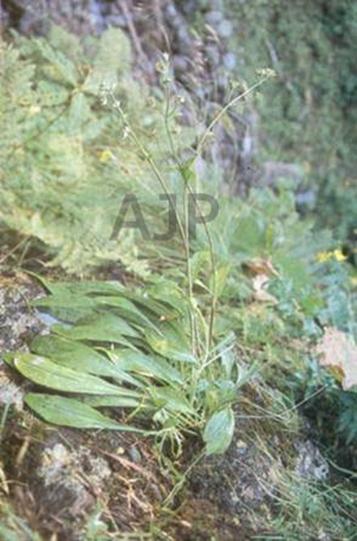
Alpine regions of Himalaya at 11,000-15,000 ft. extending between kumaon to Sikkim at 17,000 ft and Bhutan. in watery land like Kashmir & Nepal. It also grows in South Himalayas where snow covered peaks supply moisture.
Chemical composition
Cyclopentapyrans, Valtrate , didrovaltrate, Actinidine, carotene, aristolens; calarene, calarenal, elemol, droaristolenc, b-eudesmol; jatamols A & B; jatamansic acid, jatamansone, nardol, nardostachonol, nardostachone, patchouli alcohol, seychellane, spirojatomol, valeranal, valeranone, virolin; angelicin, jatamansin, jatamansinol, oroselol etc.
Properties—
Rasa Tikta, Kasäya, Madhura
Guna Laghu, Snigdha
Virya sita
Vipãka Katu
Karma Tridosahara, Medhya, Kushaghna, Balya
Antiseptic, liver stimulant, nervine tonic, antipyrectic, somatalgia, colic, expectorant, sedative
Part Used— Rhizome
Dosage— Powder 1-3 g.
Indications— Kustha, Kandü, Visarpa, Jvara, Dãha
Hysteria, amenorrhoea, foul ulcer, lumbago, hysteria, cough, asthma, bronchitis, neurosis, hypertension, grey hair, falling of hair, fever.
External Uses : Paste is used in burning of skin, It improves the complexion and is antipyretic. Paste is also used in inflammation and pain. Paste is effective in many skin disorders Its fine powder is used in excessive sweating and reducing foul smell of sweat.
Internal Uses : Jatamansi acts on digestive, circulatory, urinary, nervous, skin and also reproductive system i.e. on all systems of the body.
Nervous system : Jatamansi mainly acts on this system. It is a brain and health tonic. It is best used in convulsions and pain, in epilepsy, hysteria, syncope etc. so it is called as bhutaghna or rakshoghna. In these disorders, the bulbous root, flowers, are also used- As a brain tonic, it is used in loss of memory. For headache, jatamansi is one of the best sedative,
Digestive system It is an appetizer, digestive, laxative, cholagogue, useful in pregnancy. It is an analgesic and laxative and has vataprashaman karma. Because of this karmas) jatamansi is used in loss of appetite, abdominal distension, abdominal pain and amebiasis. Also useful in liver enlargement and jaundice by cholagogue action.
Circulatory system It is a cardiac depressant and hypotensive drug. Jatamansi is the best medicine for anasarca and hypertension.
Respiratory system : – Effective in cough and dyspnoea by bitterness.
Urinary system : It stimulates the kidneys and increases micturition, so effective in dysuria and cysbtis.
Reproductive system : It is useful in infertility, dysmenorrhoea and uterine inflammation.
Skin : Effective in various skin disorders and erysipelas; the oil is used in alopecia. Jatamansi oil is famous in South India.
Important Yogas or Formations
Mansyadi kwath, Rakshoghna ghrit, Sarvoushadhisnan. Mahã Paiãcika ghrta, Kuluthãdi ghrta, Abhyañjana taila, Cangeri ghrta, Hriberãdi ghrta, Truyãdi yoga, Mahä Padma taila, Madhuparnyãdi taila, Khadirädi gutika, Balã taila, Amrtadi taila.
Satmikaran : It is a tonic, so useful in weakness.
Temperature : Bitter, antipyretic, relieves burning, effective in sannipat jwara Reduces fever, gives strength and relieves burning.
Precaution: Higher dose of jatamansi causes hyperemia’s, griping pain dysentery and inflammation of the kidney (nephritis).
Srotogamitva:
Dosha :Tridosha
Organ: brain
Important research work going on
(1)depressant action on the CNS
(2) hypotensive effect
(3) Antiarrhythmic activity
(4) hypertensive action
(5 )auricular flutter and auriculas fibrillation
(6) sedative action
(7) Antibacterial activity
(8) antifungal activity
(9) anti viral activity
(10) antihelmintic activity
Therapeutic Uses—
(1) Kustha- Pütika, Devadãru, Mãmsi, Indravãruni, Guduci,Mudgaparni and Kakanäsa are made as paste applied locally (C.S.Ci.7/123).
(2) Kesa Vardhana- Mãmsi, Kustha, Tila, Sãrivã are made into paste by mixing with milk and honey. It is applied externally
(3) Vãtarakta- After siravyadhana, paste of Madhuka, Asvatha twak, Mamsi, Vacã, Udumbara and Durvã should be applied (C.S.Ci.29/131).