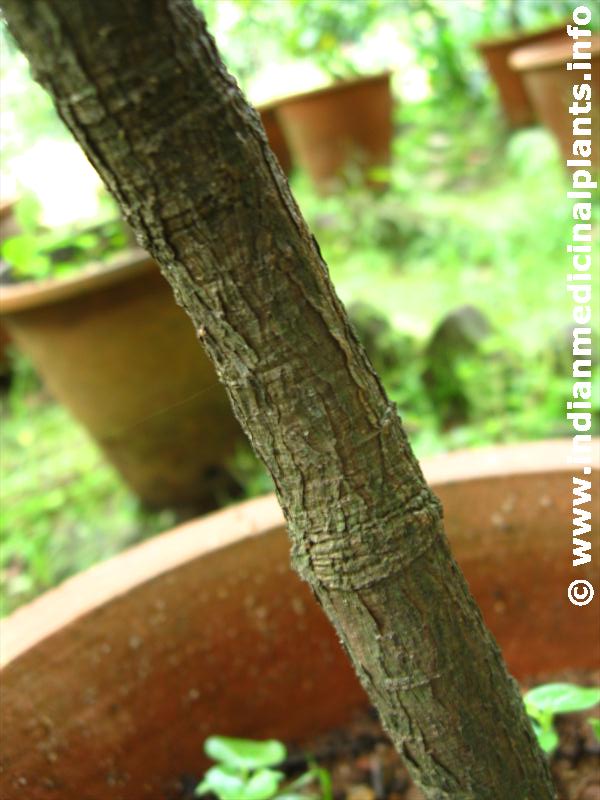
Botanical Name: Myristica malabarica Lam.
Family: Myristicaceae
Introduction:
Its usage similar to Myristica fragrans, used as adulterant
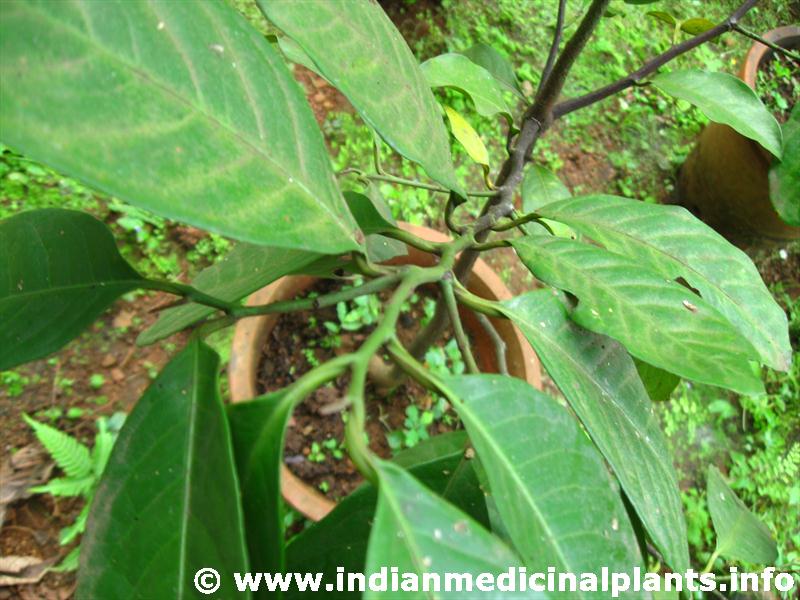
Names in different Indian languages
| English | Malabar Nutmeg , Bombay mace, false nutmeg |
|---|---|
| Hindi | Bambay jayphal, van jayphal |
| Kannada | kanagi |
| Malayalam | Pasupasi |
| Sanskrit | Gostani, vanyajati |
| Tamil | Pattiri, kattu jatikkai |
| Telugu | Rampatri , vanajati |
| Unani | |
| Folk |
Synonyms
Paashikaa, Raamapatri, Ku-Jaavitri. Pashupaashi (Kerala)
Classification according to Charaka, Susrutha & Vagbhata
| Charaka | |
|---|---|
| Susrutha | |
| Vagbhata |
Varieties & adulterants – (CV – controversy, AD – adulterants)
adulterant for Myristica fragrans
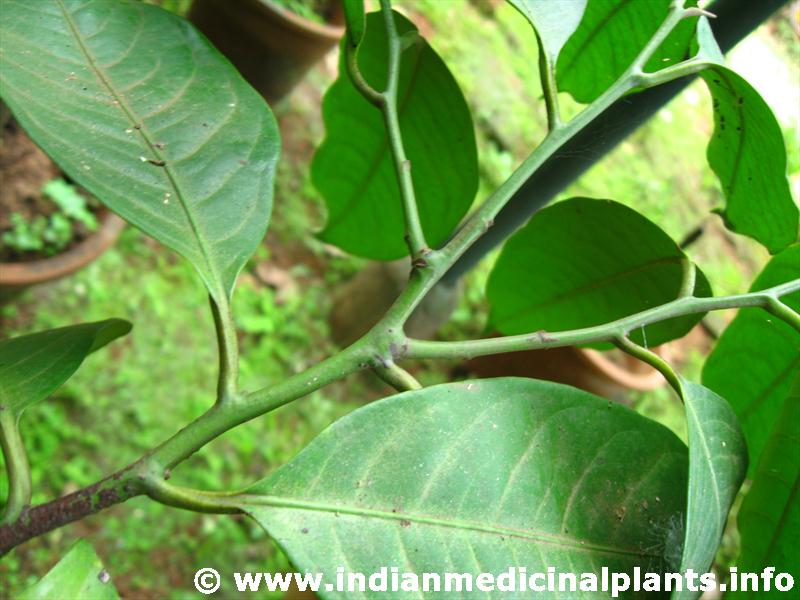
Morphology
Medium sized ever green tree, grows 3-5 m height
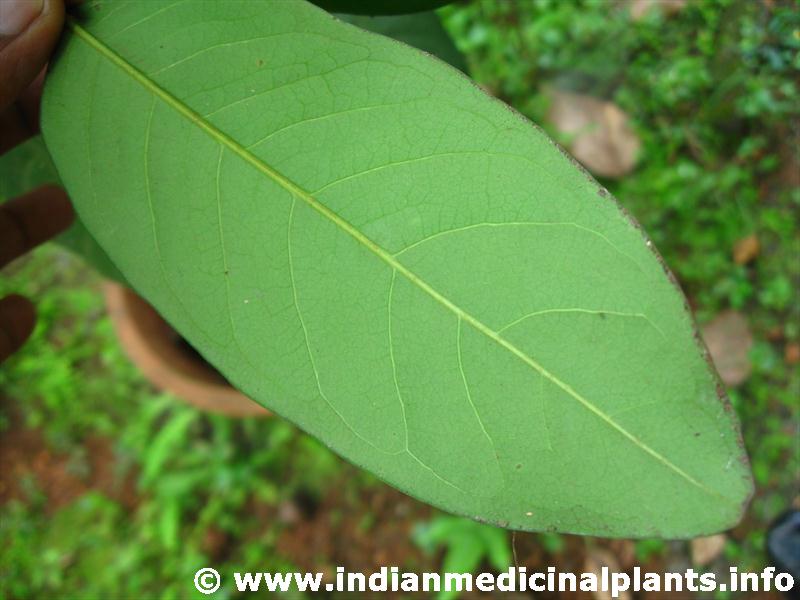
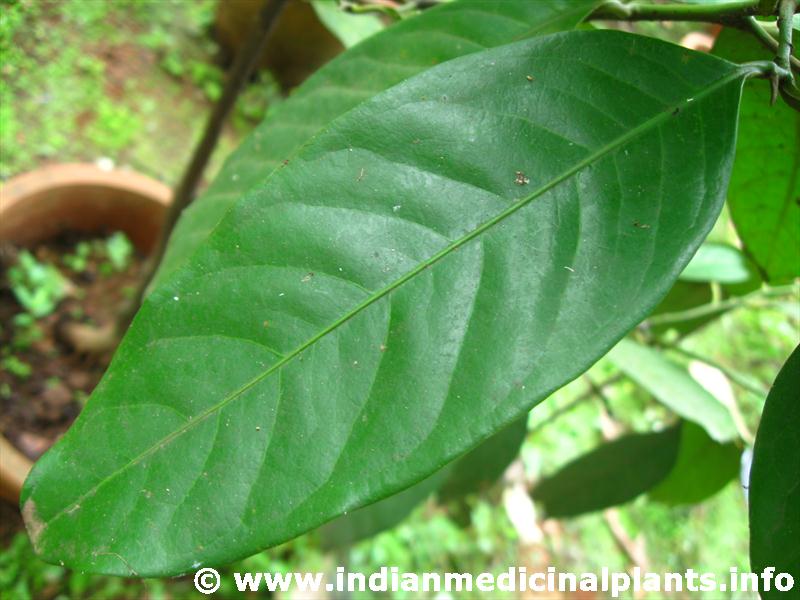
Leaves – simple, alternate, elliptic
Flowers – creamy yellow, cymes, unisexual
Fruit – tomentose, with arillated seeds
Distribution & Habitat
All over India
Chemical constituents:
Diarylnonanoids, lignin, malabaricanol., beta-sitosterol, myristic , triglyceride, trimyristin
Karma –
Carminative
Indication:
Indigestion , fever, gout,cough
Part used:
Seed, aril
Therapeutic Uses:
- Bark and seed or aril decoction useful in washing the ulcerated wounds